

This is where you can find a selection of varied guides all to do with how a rat behaves. They will cover personal actions in rats so you know what they are telling you in their body language and mannerisms as well as guides on how they act with other rats, animals and humans. Also the negative actions such as defensive behaviours and aggression.
Basic Behaviour
Starting off we will look at a couple of guides which will especially benefit new owners because they will teach you about basic behaviours of your rats and help you understand what each one means. Even more experienced rat owners might learn something here too so worth taking a look.
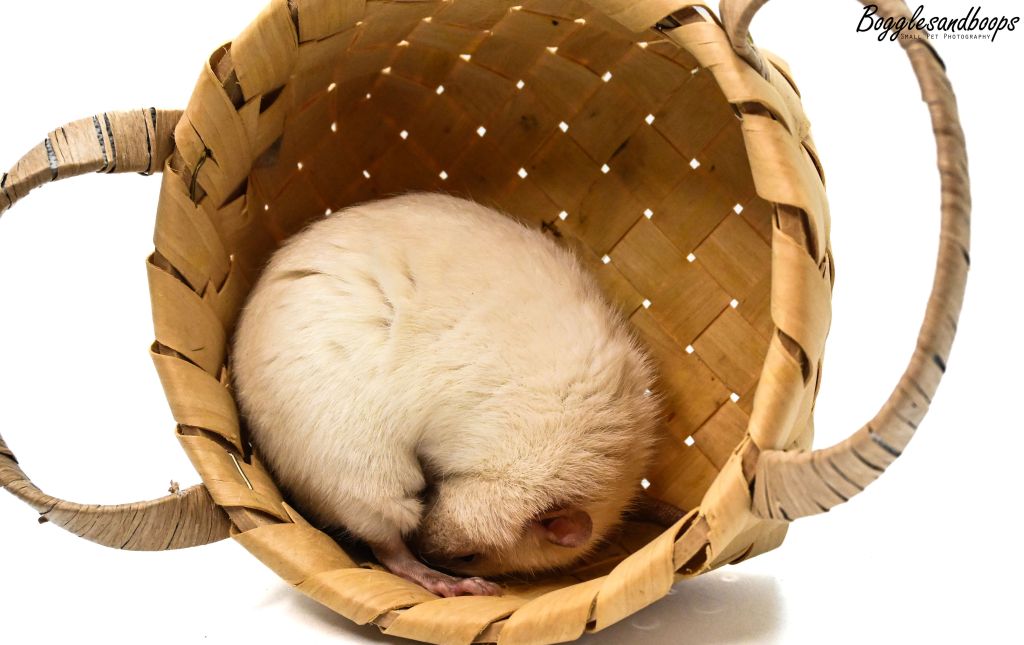
First we have Individual Rat Behaviours guide by Isamu Rats. This is your rat behaviour 101 guide. This guide covers a lot of basics including grooming, sleeping, tail actions and all the other body language examples rats do like boggling and bruxing. There is also a handy section that will help you spot when rats show signs of illness.
After learning about the basic visual behaviours in rats we can move onto the noises we can listen out for. Join Ebonie and Phoebe on The Rat Chat Podcast for their audio discussion of Noises That Rats Make and Their Meanings. On this episode they look at some common noises pet rats may make and what they can mean, which can be very important for understanding rat behaviour, introductions and health. Rats can be very vocal and you can easily identify certain noises and what they mean without even looking at them. This episode of the Rat Chat will help you better your understanding of these noises. There is also a great guide on Rat Noises and Vocalisations by Isamu Rats. This guide lists 8 of the main behavioural noises rats can make and explains exactly what each one means. There is a lot of noises rats make that we just can’t hear but at least with this guide the ones we can we can know ecxactly what they mean.
Now we have a better understanding of individual behaviours we can go back to Isamu Rats for a great guide on Rats interacting with other Rats. This will start you off in understanding social structure in rat mischiefs and what each role means. Rats have quite a complex hierarchy structure so knowing the different levels can be quite beneficial. This also ties in with the rest of the guide which will talk about submissive behaviour in rats, group grooming and other social related behaviour.
As well as personal and social behaviours there are also other things to look out for. One main thing is how they behave in where they live. Isamu rats cover this briefly with their Rats interacting with their environment guide. This will show you what they will do when interacting with the setups in there cages including digging, jumping and foraging. Be sure to check out the link at the end of this guide which will go into much more details on cage enrichment and focusing on natural behaviours.
You may at some point think that pet rats need to feel the outside at some points in their lives too. You may have come across a cute video on social media of a rat running through grass or seen a picture of it seeming to be excited to experience the outdoor environment. What these posts don’t consider is the large amount of risks and hazards that can present from this which you really should be aware of. The Rat Wiki guide on Why Not To Take Pet Rats Outside will cover all the possible risks of this for you from picking up parasites and infections to injury risks and possibilities of predators. The risks do massively outweigh any possible benefits on this so it’s really much safer and less stressful fot them to stay in their tailor made environment.
Understanding Nervous Rats
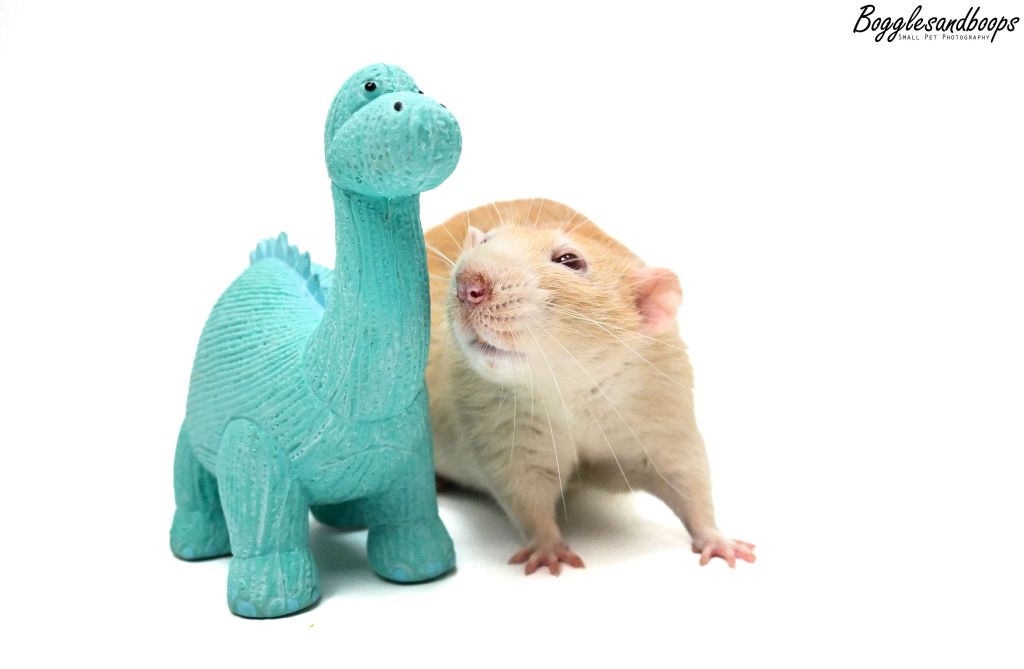
All of the above guides should now have given you a strong idea of what your rat is telling you by the way its acting. Hopefully it’s mainly positive but what to do if you have a nervous rat? It’s very important to understand that a nervous rat may not always be nervous and understanding how to handle this could change the outcome and make your rat happier and more comfortable in it’s own environment and around you.
To better your chances of helping a nervous rat Lurelin Rats made a brilliant guide called Befriending Your Rats: The Desensitisation Method. This method will show you how to give the rat space to make their own choices and to end each handling session on a positive note. It also aims to get rats to trust you at their own pace without pushing them too quickly. It is all about trust gaining while also allowing them to be comfortable in their own space.
Continuing on with this we can also take a look at Taming Your Rats by Shadow the Rat. The guide will give you some good tips on getting your rats to enjoy interacting with you using various different methods including in the cage, free roam time and general handling situations. Each one designed to bring out the confidence of the rat and encourage them to be more comfortable in themselves and their owners. These methods can be used both with new kittens and also nervous rats too. Included at the end is also a “How to tame pet rats” YouTube video for those who prefer to watch than to read.
Also on this topic we can go back to the Rat Chat Podcast episode titled Tips For Handling Nervous Rats. It is very common for owners to come across a nervous or skittish rat at some point in their rat keeping journey. This can be particularly true if the rat is from a pet shop or BYB background and / or is not used to being handled. This time the team discuss two of the main methods for handling nervous rats, along with hints and tips that may help you through the journey.
On the subject of nervousness it is worth looking into and understanding prey responses in rats. Even the most comfortable and confident rats may be sensitive when other species of animals are around. This doesn’t mean you can’t keep other animals in the same house as your rats but understanding better how this affects them and how you can adjust to this will make their lives better. Once again Isamu Rats have covered this with the Rats interacting with other Animals guide.
Aggression and Dominance
Now we have a better understanding on nervous rats it’s also key in being able to spot aggressive behaviour and what to do about it. Sometimes rats can act dominant which isn’t always aggressive but knowing the difference can be vital. Especially if you don’t want to be on the wrong end of a sharp set of teeth. So on the subject of teeth we will first look at biting. More specifically Rats Biting Humans. This simple guide by Isamu rats will take you through all the different types and situations involving rats biting people from little test nibbles right up to aggressive biting.
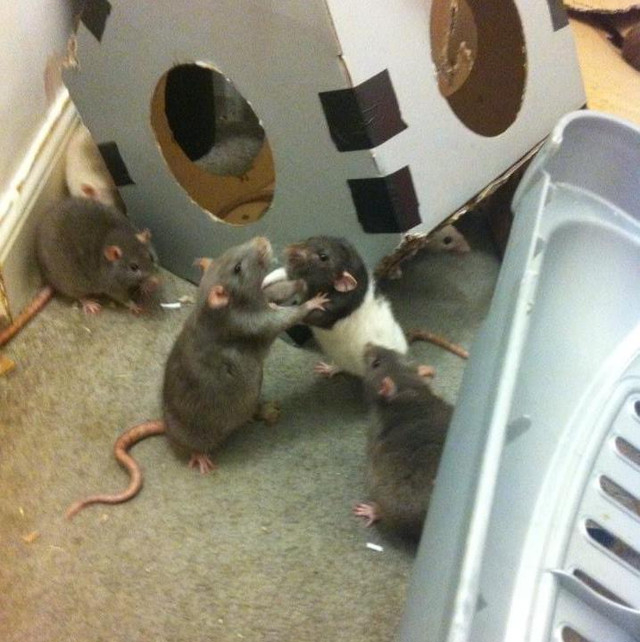
Biting is just one way an aggressive or dominant rat will present negative behaviours. Isamu Rats once again covers the basics of this with the Rats Fighting, Aggression and Dominant Behaviour guide. This will show you what examples of aggressive behaviour to look out for and what it means. Of course it also covers dominance. Dominant behaviour mostly is not bad as rats will often play fight, pin other rats and also use certain actions which all work out hierarchy in the group. As long as this doesn’t turn aggressive it’s totally fine and normal.
When you notice negative behaviour in your rats you may think some sort of punishment or negative action may “teach” the negative action out of your rat. Zoe Lumour from Azuline Rattery disagrees. That is why she made the Managing Problem Behaviour: Why I say No to Saying No! guide. This will let you know why it is believed punishment can increase aggression in rats and could make them lash out at there cage mates because of this. It encourages you to use positive based, ethical approaches to managing problem behaviours.
Lone Rats
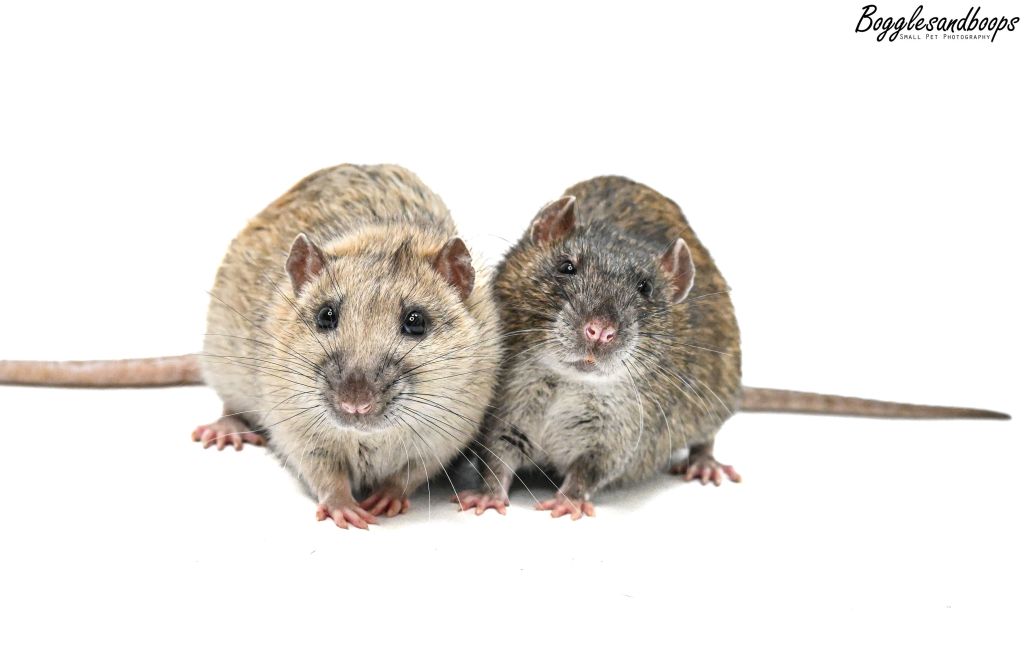
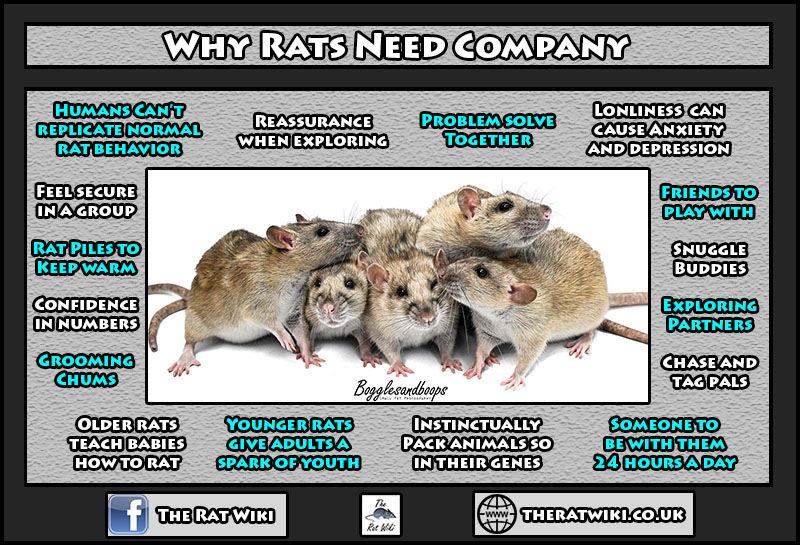
Finally in this behaviours section I want to cover the subject of rats being kept on their own. Any good rat keeper will know and encourage others to never keep rats on their own. Rats are extremely social animals and thrive with same species company. Being kept alone can cause depression as well as other health issues. So When is it Okay to Keep Your Pet Rat Alone. Join the Rat Chat Podcast once again where they will discuss the main reasons for keeping your pet rat alone. These are very rare examples but well worth the listen. Importantly too they also go through some common misconceptions surrounding the keeping of a lone rat. The Rat Wiki Guide on Why Rats Need Company will also walk you through the multiple benefits of always having friends for your rats too.
Hopefully now you have a better understanding of your rats body language, noises and behaviours that will tell you how they are feeling and how to act around them during different moods. Every rat is different and learning each rat individually and also as part of a group makes you a better keeper and benefits your entire mischief.
 The Rat Wiki