Here is a selection of in depth guides which will help those interested in taking things further in their rat journey by entering the world of breeding. Whether breeding for better lines is of interest of wanting to breed for showing the best thing you can do is to do as much research as possible. There is so much different information you’ll need to become a good, ethical rat breeder it can become a little too much. But don’t worry here you can find some top guides from some of the best breeders in the UK who will talk you through the process.
Before we start I do fully recommend if you want to start breeding first joining a rat club.Clubs are places ususlly full of great breeders where you can gain access to a world of top information and advice from very knowledgeable people. If you are interested in looking for one you can find out more in the Club Section of the Rat Wiki website.
And of course this section isn’t just handy for people looking at starting out with breeding. It’s also a place where anybody who was missold different sex rats can come to get help and information on the process of what to do with an “oops litter” This can be quite scary if it happens to you, especially if you are brand new to owning rats. Here you can get to know the process better and find ways you can help yourself, mum and the babies do as best as possible during this time.
So now to the Guides….
Pet Shop Rats and Rodent Farms
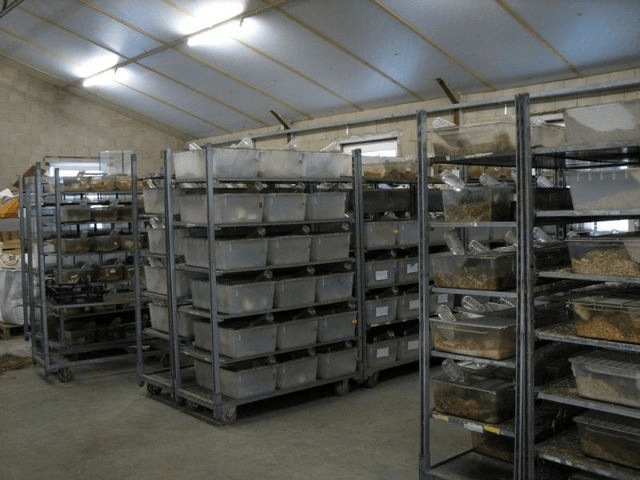
Firstly the reason why I mention joining the NFRS (As well as other clubs like the Midlands Rat Club and North of England Rat Society) is it is full of knowledgeable breeders who tend to breed a lot more ethically. From better conditions, careful planning of matings and not subjecting doe’s to too many litters it’s much fairer on the rats. Unfortunately this isn’t the case for pet shops and huge chains like Pets at Home that will use what is known as “Rodent Mills” where ethics tends to be the last thing that comes into play as rats will be mass produced in poor conditions and there welfare isn’t taken into account at all. This guide can be quite upsetting to see but it will open your eyes to why pet shop rats are discouraged from being purchased. Please take a look at Why to not buy from a pet shop – Take a look inside a Rodent Farm by Estelle Sandford at Alpha Centauri Rats.
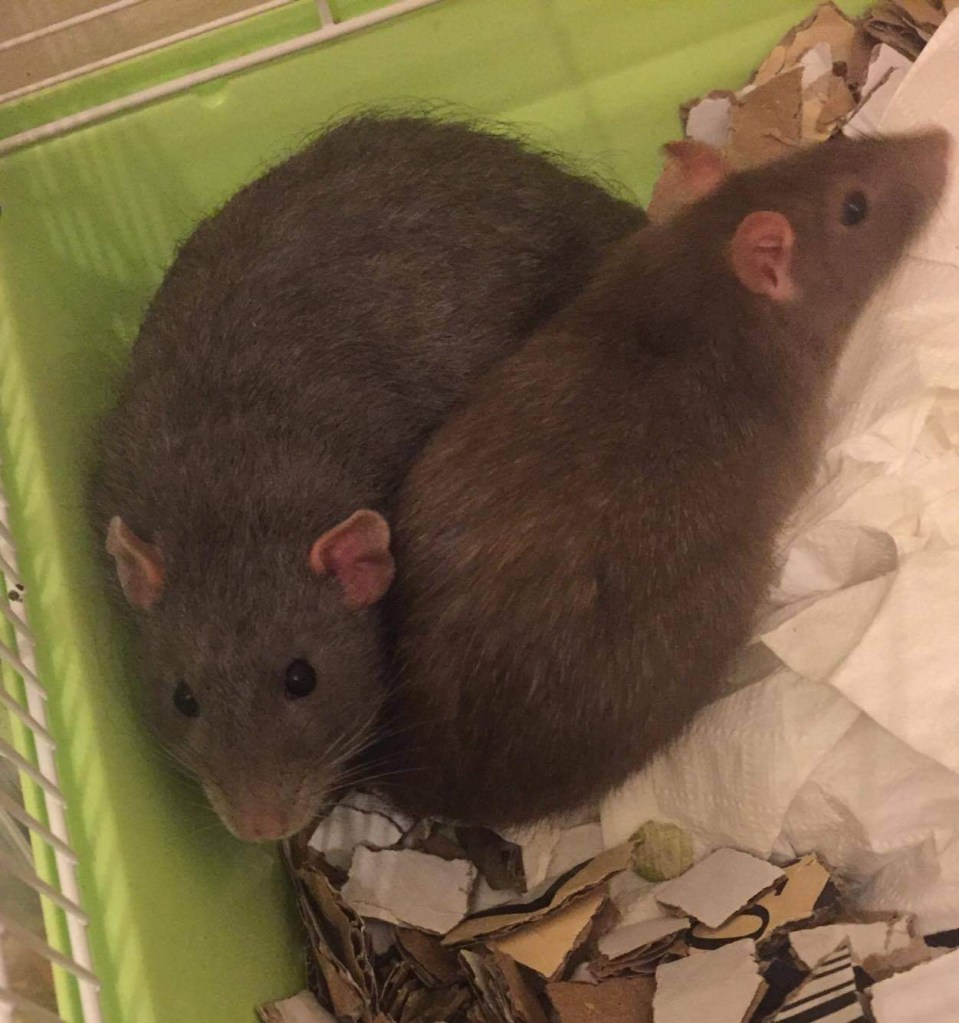
So now we have covered why not to buy from pet shops there is also the question of what to do if either you have bought one from a pet shop or adopted a rat that is already pregnant. Pet shops often miss sex rats and sell them to people either already pregnant or will soon be as a male and female have been together for a little time. Rats can get pregnant very quickly at a very young age so this can come as a big surprise to a new owner. So what to do if this happens to you? Well Lurelin Rats has made this guide called Raising a Litter which is aimed to talk people experiencing an “oops Litter” through options in this scenario. From prevention and termination to the birthing process as well as aftercare. This guide also features a week 1 to week 7 section with pictures and text explaining how your babies will develop and change over time so you fully know what to expect.
Novice Breeder Guides
Now we move on to advice for people wanting to get into breeding. As I mentioned previously there is a lot of information you should learn before starting to breed. Before we look into starting the breeding process I wanted just to touch onto the subject of genes and specifically the importance of focusing on bettering varieties of rats. There may be people out there who will say things like “variety doesn’t matter in making good pets” and many other untrue things like this. The fact is this is not true, the breeding process is aimed to do so much more than that. Why Variety Matters by Kismet rats goes into this in more detail. Providing examples of many more untrue statements that have been aimed towards breeders and putting the record straight on them. Because understanding how varieties work equips you with more information that will benefit your rats and also your pet homes too.
Knowing your lines is going to be a very important thing for you to keep an eye on during your breeding journey. Looking out for new health issues and trying to breed away from existing conditions is one of the main important parts of being a good breeder. Sometimes it may be that bad you’ll have to abandon a line completely and these are things you need to prepare for. For an honest breeders perspective on this matter we stick with Kismet Rats here to look at the “Our lines are 100% healthy” and other things you won’t catch us saying… guide. This covers what I’ve mentioned above and further provides examples of statements faced by breeders to do with their lines. This guide will encourage you as a breeder to accept that not every line is perfect and not trying to cover that up is fine. As a breeder you pick a direction to go in and sometimes you may need to change direction a little for the good of your rats and their lines but being prepared for all eventualities is a good thing and this guide is a great place to start.
If yes then the next best thing to look into is Starting Out With Breeding by Lurelin Rats. This is a great straight to the point explanation of what to expect from being a breeder. This guide will not only give you good advice on what to do but I also like how it very plainly lets you know its not always all good. There are downsides to breeding whether that be the expense, the complications in the breeding process or having to deal with people wanting rats from you. It’s just good at preparing you for what might be to come.
The Breeding Process
Next we will look at a more in depth guide of the breeding process. Estelle Sandford of Alpha Centauri Rats has produced her guide on Breeding Rats. This guide takes you through the whole process. From what you’ll need and what you need to think about to choosing suitable does and bucks and then to the pregnancy, birthing and taking care of the kittens. It also gives a good explanation of colours and genetics in rats and provides some handy sources of further information of genetics.
Sticking with Alpha Centauri next I would like to look at mentoring. I mentioned earlier about joining the NFRS and other clubs as you have access to many things that will help you on your breeding journey. One huge thing that this can provide for you is gaining yourself a mentor. Or possibly more than one. The Mentoring guide by Estelle Sandford will explain perfectly what mentoring is all about and how it can benefit you as a future breeder. Gaining tips, knowledge and possibly things like your first foundation rats from an experienced breeder can be a real game changer to you so finding someone who can benefit and teach you is a really good idea.
One very important thing to know when your kittens are here is how they should be progressing in growth from certain ages. Reading about this is one thing but with certain things like this it’s much easier to learn by seeing. So Kitten Growth by Estelle Sandford of Alpha Centauri Rats does just that. This is a very precise picture guide that will take you step by step from birth right up to 6 weeks and tell you all the milestones to expect along the way.
Moving on from the actual processes of breeding but sticking with Estelle Sandford I would like to share a quick article which I found quite interesting and with gene research being an important part of breeding I thought it would be beneficial to share. It’s called Nature or Nurture?
A great little example for all those wondering if different varieties of rats have different traits or if it’s all down to how they were raised and by who. Some people may believe it’s all down to who raised the rat but Estelle provides a great example which can lead us to believe differently. Not a guide as such but still well worth a read as it will get you thinking.
As I’ve mentioned a few times now one of the best benefits of being part of the fancy rat scene is that ethics is always high in priority. Most people are always wanting to set a good example in this and also teach it to others. Some people also think there are always ways to improve and keep looking for better ways to keep and treat rats to make them happier. This includes the breeding process too. Towards more successful, ethical, and enjoyable breeding practices by Azuline Rattery is a great example of that. This guide is all about giving rats more choice to breed. Simple methods like giving more space for the doe to choose to advance and retreat on a buck at will or even a space only a doe can retreat in so she has a choice when to engage with the buck. Also allowing the doe to choose if the buck is a suitable mate for her or not is another example of this theory. There is also some handy pictures and diagrams included which show you certain spaces that can be created to achieve this.
For some more in depth medical guides on the breeding process head over to the Breeding section of The Rat Guide website where you will find a selection of guides on various different subjects including Anatomy, Breeding, Pregnancy, Birth, Postpartum, Birth Abnormalities, Baby Development and Genetics. This will go into the whole process much deeper and deliver much more details from a medical perspective of the whole process.
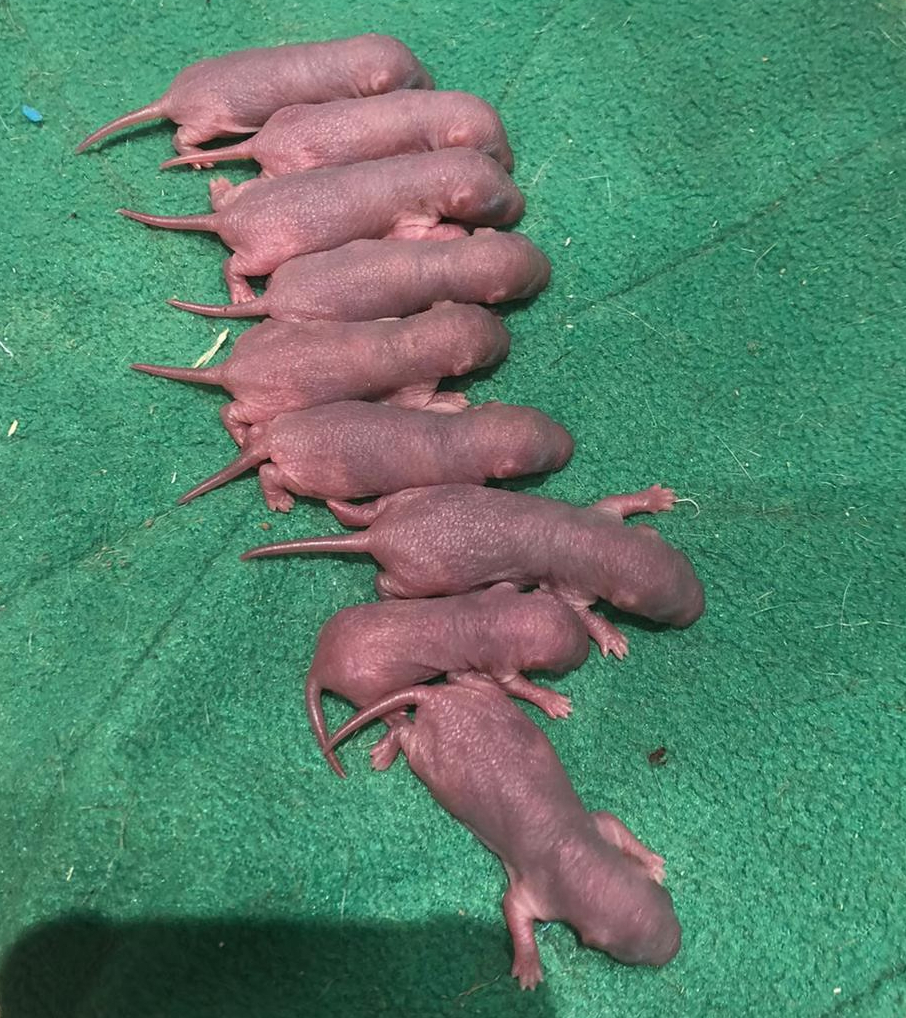
Homing out Kittens
So the final guide I wish to show in this section is to do with the final process in the breeding cycle and that is homing. Obviously each generation of rats you breed you will be picking keepers that will stay with you and eventually go on to be mums and dads themselves. Those you don’t decide to keep can go onto pet homes to live their lives. Lurelin Rats has some help for new breeders who are looking at homing out kittens with the Vetting Potential Homes & Homing Out Kittens guide. This will go through most of the guidelines on ethical standards for sale of kittens including age, health, vetting who you sell to, and also other advised guidelines to follow including application forms, waiting lists and prevention of selling to animal feeders.
Remember always put a good price on selling your rats unless you personally know the person. A good loving pet home will be happy to pay a price for rats and this will stop the risk of them going to someone who isn’t wanting to keep them as pets.
Hopefully now you are much clearer on whether breeding is for you and also understand the process behind it. Research and preparation will make you a much better breeder so always try and do as much as possible. Also remember to join some rat clubs where you can always recieve great advice from truly wonderful people. I may not be a breeder myself but I have met some of the best in the country and each one truly loves what they do and always likes to see keen future breeders joining the community.
Good luck in your future journey!
 The Rat Wiki