

Keeping rats is such a privilege in so many ways. They will bring you so many moments of joy and happiness. Most people do not realise how quickly you can get attached to them and with this you obviously want to try and keep them as healthy as possible for the whole of their short lives. It’s no secret that one of the hardest parts of keeping rats is that you simply don’t get enough time with them for the amount of love they can bring to you, but while they are here it’s very beneficial to make sure we keep an eye on certain things to be able to maximise their chances of living a healthy and full life.
Health Checks & Overall Condition
There are plenty of things we can do to ensure we keep on top of the health of your rat. The simplest one is basic health checks. These can be done by vets but it’s a lot of money for an appointment for something you can learn to do yourself very easily plus a lot of vets just do not have the best experience, if any, with rats unless they are exotic vets or have dealt with rats plenty of times before.
So health checking is something we can do ourselves. From simple daily checks which consist of a quick pick up, stroking and judging if behaviour seems normal, rat is walking around fine and eating/drinking etc to more thorough checks every so often. These will be things like looking for lumps and bumps, pee testing, checking joints and other more in depth checks just to keep on top of overall health. To take you through health checks in more detail take a look at Health Checking by Isamu Rats and Rat Health Checks by Estelle Sandford. These 2 guides will cover everything you will need to know about checking rats in general, knowing what to look out for as well as diagnosing any problems if you think something may be wrong but can’t quite pin point what.
As well as regular health checks it is also a good idea to get to know the general condition your rat should be in. Health checks are more for spotting injuries and illnesses where as general condition is more about how healthy your rats specific features are such as coat, tail shape and general body condition. Judging these 3 things in particular can tell you a lot about how your rat is doing and how to adjust and monitor things like muscle tone, hydration and diet accordingly to get these things to a better standard. To go into further detail about this lets look at Judging Rat Condition by Isamu Rats.
Weight is a very important factor for both general health and overall condition in rats. Overweight rats can have mobility issues as well as being more prone to getting issues with health. If a rat is underweight they will be less likely to fight health issues effectively, plus if they do get ill they will decline faster as they won’t have a little bit of backup weight like normal rats do which could buy them a few more days if they go off their food during illness. You may be wondering what a good weight is on a rat and what you can do to either get them to gain or lose weight. The Body Condition & Weight Management guide by Lurelin Rats will take you through each scenario and what to do about it. From gaining to losing and also a great picture chart on each stage of weight so you can see what is good and what is bad. This guide will help you keep those waistlines nice and tight.
Diet plays a very important factor in your rats overall condition. Feeding them not only the right amount of food but also the best quality is important to consider. It can affect many things like their weight, coat condition, skin and energy levels. Feeding for Condition by the NERS explains this further. Going through what condition means on a rat and how to maintain a good overall condition by feeding for peak fitness and teaming that up with providing exercise opportunities. There is also a great “coat conditioning booster” recipe which can be used to give your rats a condition boost if they need it. Just don’t over use it or you could risk your rat getting overweight.
If you do have an overweight rat and would like some tips on what to do then From Fatness to Fitness by the NERS is the best place to start. This will start off by covering how prevention in the first place is always better that treating so offers a few pointers in how to maximise general exercise for the rats as well as feed a good balanced diet in healthy proportions. It will then offers an obesity treatment diet and exercise plan you can put them on with examples of main diet and treats that should hopefully get your overweight rat back to a more healthy condition.
It’s not just weight management you have to be on top of to keep your rat at its best. This is a big part of it but there a lot of other factors that can determine and change the overall condition of them. We have already covered the food amounts that can be adjusted but altering the nutrient balance in foods can also make a big difference. Fixing Rat Condition issues by Isamu Rats will take you through not only diet, but also actions like increasing fitness and exercise through things like cage environment, enrichment activities and free roam. This can improve mobility and increase muscle tone with your rats and of course the mental stimulation will make them much happier too. It sounds like a lot of things to do all at once but understanding this early and setting a good standard quickly will mean very little adjustments will need to be made as they will stay in a good state at all times hopefully.
One big question I see people asking all the time is “Why do my rats smell so much?” and the answer is never too straight forward as there might be a few different reasons. Firstly rats pee a lot anyway which I’m afraid doesn’t smell like a summer meadow. They are generally quite clean creatures but will scent mark a lot especially if being over cleaned. Knowing when to clean them is quite easy to learn and will make a big difference to them and to your environment too. For this and 5 more tips on reducing smells look at Six reasons your rats smell and what to do about it by Azuline Rattery. This will walk you through all the different scenarios of what can be causing increased smells with your rats and hopefully help you eliminate them. Please do remember though that rats have very sensitive respiratory systems so things like smelly candles, aerosols and strong smelling cleaning supplies can do a lot of damage to them so it’s strongly advised not to use these in any areas of your home where the rats can be affected by it.

Quarantining
Quarantining is basically where you bring rats into a new environment from an outside source and keep them totally separated from your own group. Usually this should be at least 2 weeks so you can be sure the new group aren’t bringing anything in that can harm or infect your rats. First we will look at The importance of Quarantining rats. This guide by Isamu Rats will teach you all the different types of exposure and how things can be passed onto rats. Also assessing when to quarantine and knowing the difference between high and medium risk of rats being exposed to something contagious
There are many different scenarios of why a rat will need to be quarantined. Some rat clubs will not allow you to show if your rats have been in the same airspace as other rats within a certain amount of time. This can be anything from being at another rat show or your rats going to stay with another rat home while your away. These are pretty simple quarantine measures. Basically just keep them at home for a certain amount of time without any outside rats coming into the house. There are more complicated quarantine measures though such as finding a dumped rat that has been exposed to the outside. This rat will need treating by a vet for things like Leptospirosis and given a stricter quarantine such as being kept in a totally separate room, changing clothes when handled and very good hand hygiene.
Rats are being transported around more than ever before. With social media groups being big in the rat world comes the ability to organise transport for rats called “rat trains” This allows people to all join together and transport rats small distances at a time until they get to a certain destination they can call home. Also transfers at rat shows either between breeders giving new kittens to homes or rescues going to their new owners happening a lot too the need for being careful and quarantining is as important as ever. The Quarantine guide by the NERS will take you through some of these scenarios and tell you exactly how you can quarantine properly. It will advise you on certain principles to follow and how to quarantine not only your own rats and others brought in to your house, but also when quarantine measures should be imposed on yourself as well.
For more examples and details on quarantine measure look at Quarantining New Rats by Estelle Sandford. This is an older guide written in a time of multiple cases of infections at things like rat shows so really does stress the importance of things like good quarantine practices and minimizing unnecessary risks and exposure if this can be helped. The old saying “better safe than sorry” really can be accurate in situations like this sometimes so is worth thinking in depth about.
Health Issues and Common Illnesses
As i said at the beginning of this section one of the hardest parts of keeping rats is that you simply don’t get enough time with them. They are unfortunately prone to quite a lot of Illnesses and health issues in general which is what breeders are really working hard towards minimising. Knowing what the more common issues are is vital and spotting these early can be the difference between treating a healthier rat early or a sicker rat too late. To start you off The Rat Chat Podcast have an episode where they discuss 10 Common Health Issues in Pet Rats. They take a closer look at various symptoms and how to spot them. Also different treatment options for these more common conditions.
Keeping with the common Issues and Illnesses theme we can also have a look at Rat Health by Estelle Sandford. This guide will look more in depth at some common problems found in rats such as respiratory problems, lumps, head tillts and UTI’s. It will explain usual causes, what to try and spot as well as tips for treating. Acting fast for things like head tilts for example can be the difference between a permanent tilt and a full recovery. The emergency first aid section of this guide in particular is very handy to get to know as fast aid in certain situations can help your rat out massively when it needs you the most.
Isamu rats also have some more information on common illnesses. The below is a list of more in-depth individual guides that focus on a specific illness each time. You’ll get a full explanation on what each one is as well as some advise on home treatments. Also what to expect when taking your rat to the vets with an illness like this and some handy preventative measures tips which can be tried to hopefully reduce the chances of them getting one of these issues.
Isamu Rats Common Illnesses Guides:
– Cancerous / Malignant Tumours
If you are keeping does especially the next guide is one you will probably want to familiarise yourself with. Unfortunately one of the biggest downsides to having girls is mammary tumours. Not to say this can’t happen in boys, cause it can and is not exactly classed as rare, so no matter what gender you keep it’s worth knowing about in detail. These small lumps start in the mammary tissue and can grow quite large. Don’t worry too much though these are usually benign and can be removed by an experienced vet quite easily. Mammary Tumours by Lurelin Rats is a complete guide to this and will explain where to look for them, some good prevention techniques and when and if you can remove them with surgery depending on age/health of your rat. Also the importance of spaying at the same time as surgery to reduce them returning. The sight of a mammary tumour when you don’t know what one is can be very concerning, luckily if you are here you should now have better knowledge of this and know it can be fixed quite simply and your rat can live a more comfortable life because of it.
Moving onto something that is less of an illness and more of a general overall issue is the topic of naked rats. Often called hairless rats too. This particular variety of rat gets a lot of attention especially from new rat owners. People see them as something quite unique and very much a novelty but the truth is they are not recommended at all by any ethical breeder and are one of only 2 varieties on the banned list for showing at most rat clubs. Naked rats are more likely to get persistent skin infections, much more sensitive to cold than normal rats and are more prone to injuries due to their lack of a protective coat. Because of this they tend to need feeding more too especially extra protein as they struggle much more to keep their bodies warm so use more energy because of this. Naked Rats and Why We Wouldn’t Recommend Them by The Rat Chat Podcast goes further into discussion about this. Discussing not only the ethical side but also the financial side of owning a naked rat and all the health issues they are prone too. Hopefully this will open people’s eyes to this issue and change their minds on making them want one. Just remember no ethical breeder in the UK will breed for hairless rats and certainly wouldn’t home them out to the public if for some reason they managed to produce some so take that as a red flag if you see some advertised.
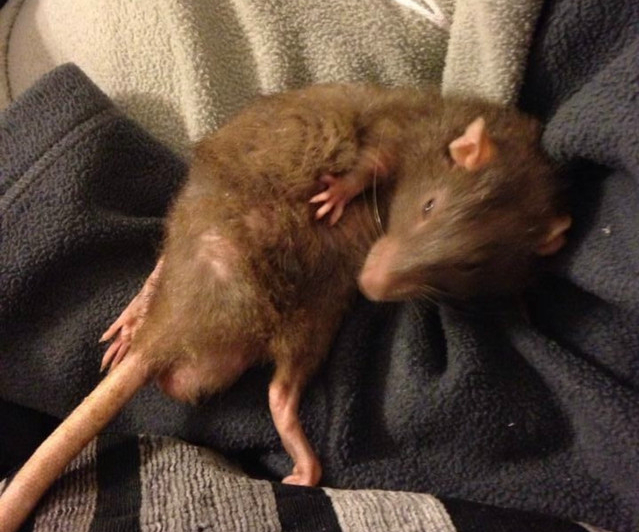
Finally for this section I want to share with you a lovely guide about quite a sensitive and sad subject. It is one that all pet owners dread the most but as a rat owner you will have to get used to this on a regular basis and that is having to make the decision to have your rats put to sleep by a vet. As dog or cat owners for example this is something you might only have to do every 10-20 years but with rats if you have a rolling group of 6-8 rats you’ll most likely lose 2-3 a year. This is something all new owners need to really make sure they are strong enough to do because it really doesn’t get much easier.
Rats are prey animals and they won’t show any signs of pain or illness until the very end. They are driven to keep going and are terrible at just letting go and passing away in peace. This is where we as loving owners need to step in and help them out. This can be such an incredibly tough decision and one you will have to make every now and again without being selfish or trying to convince yourself they are alright when they are not. If this is something you think you will really struggle with or want to get familiar with then please read End of Life Care for Rats is a Gift. This lovely article is shared by Zoe Lumour of Azuline rattery and it’s written by Grover of Right Paw Rattery in Australia. As hard as it may be with PTS situations always trust your gut and not your heart as your heart will understandably want to keep them. You have to act in the best interest of the rat. There is a famous saying in the rat world that it’s better to do it a week early than a day late and I think that’s very true. Let their last memories be as pain free as possible.
Well hopefully this section has educated you a lot more on some things to be looking out for and knowing what to do much faster if you spot anything. Not the funnest of sections on this site unfortunately but one that is very important. Keep your rat healthy and in the best condition possible and you maximise their chances of living older and healthier for longer.
 The Rat Wiki