
This section of the rat wiki will be covering the process of introducing new rats to your existing group. If done properly this can be a nice smooth process and relatively stress free. If done incorrectly you could see all sorts of problems like fighting, aggression and potentially injuries. This can be rare if you have sourced rats from a reputable breeder and have researched processes of introducing so don’t panic too much. Intros can be daunting but the more times you go through it the better you will do it and you’ll probably learn something new every time.
So before we look at the introduction process I briefly want to talk having rolling rat groups. This is basically the way you keep adding 2-3 young rats to your group every 6-12 months (depending how many you want overall) so you gradually build up a good sized mischief of all different ages. This will limit the possibility of having mass amounts of losses all at once. To explain this process in more detail have a look at “Rolling” Rat Groups- The What, the Why and the How! by Azuline Rattery who will go through in more detail why slowly adding rats in stages to your cage is better than going out and getting 10 rats at once.
Now onto the introduction process itself. I’ll be very honest, there are a few different ways this can be possibly done and it may work okay. Sometimes it may work well BUT on The Rat Wiki we are 100% Pro “The Carrier Method” This is a tried and tested method that has been used by nearly every top breeder and knowledgeable pet homes across the country. There are so many people out there I see asking what to do and given bad advice like “put their cages next to each other and let them see each other first” and “swap items between cages so they can exchange scents!” If you are a new rat owner and you take just 1 thing from here tonight please let it be this one. That advice is very bad.
Rats can be very territorial, even the calm, placid ones won’t like seeing other potential rivals. Also not being able to get to them or smelling other rats around there cage can stress them out. All you are doing here is aggravating your rats in what is supposed to be their safe space. So if you do bring babies in keep them either in another room or as far away in the same room as possible until you are ready for intros. This will make their first meeting much better and the intro process should go much smoother.
The Carrier Method
As I said earlier the carrier method is very popular so of course there is a good selection of different guides out there to take a look at. Before we look into the actual carrier method if you are reserved in any way about it or have heard anything negative about it from people who don’t do it themselves take a look at Is the Carrier Method An Ethical Way to Introduce Rats? A Behavioural Analysis by Azuline Rattery. This will give you a very in depth explanation on why the carrier method works best. It will talk about how limiting the space you give rats during intros early on will minimise the chances of them getting territorial over the space they possess. It also takes you through the various stages of the carrier method and explains why each stage exists and why it’s crucial to wait for the rats to show good bonding behaviours.
Hopefully after that you will have a better understanding of how the carrier method is designed ethically to let your rats bond with as little trouble as possible. Eliminating the chances of territorial aggression and just plain ignoring each other. Here are 2 of the best guides to look at for the carrier method. They both bring the same start to end carrier method process but each one offers different perspectives.
First is The Isamu Rats guide on Introducing Rats – The Carrier Method. This will take you through the what and the why of the carrier method, the strengths and weaknesses of this process and then a full step by step guide on each stage right to the finish. There is also an accompanying video you can watch too if this works better for you. I can guarantee at some point or another most of the top breeders around today have watched that video. So it’s a huge benefit to familiarise yourself with it.
The second guide to look at is Introducing Rats – The Carrier Method by Lurelin Rats. Again this features a step by step guide on the carrier method from start to finish and also offers advice on what you’ll need to prepare for introductions too. It will also take you through the general rules and principles this method is designed for and then when to free roam after intros are complete.
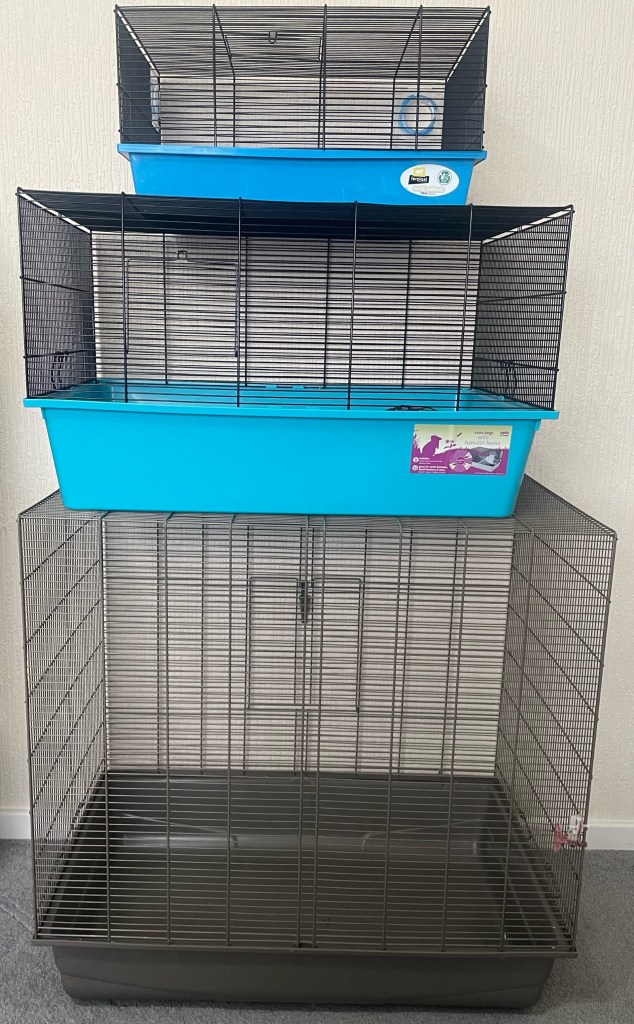
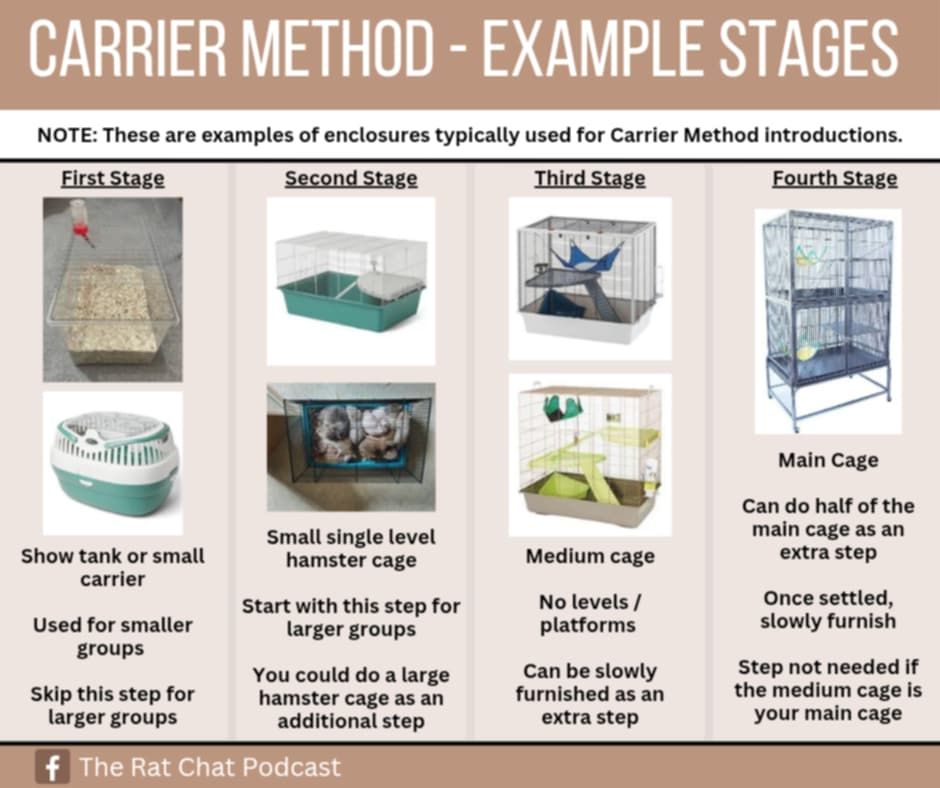
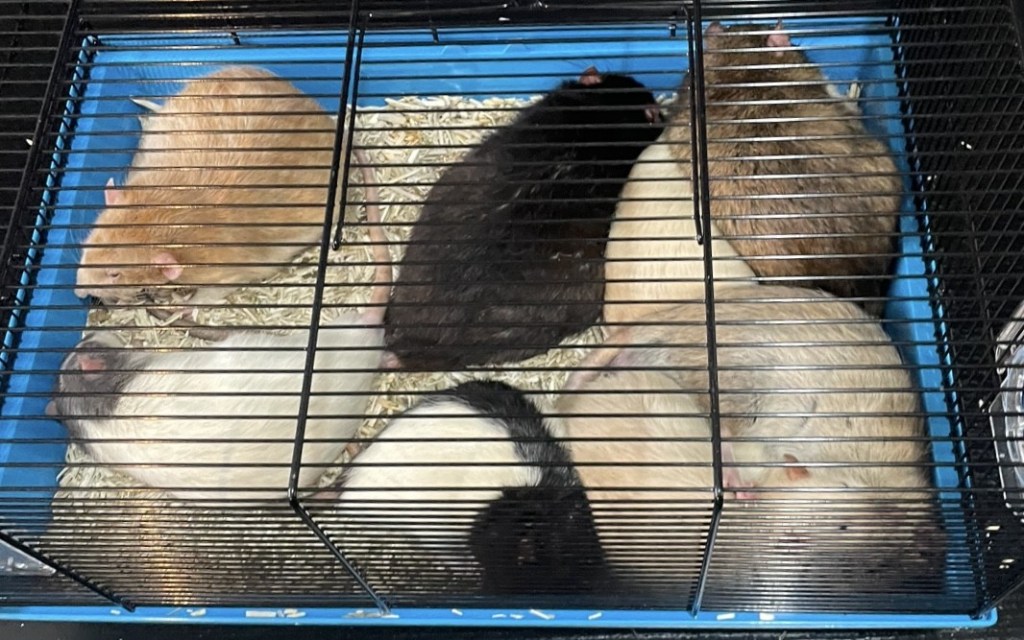
Remember although this is called “The Carrier Method” it does not always mean you have to start in a carrier. If your group starts to build up in numbers it might not be possible to fit all your rats into a small pet carrier which means you’ll have to find something slightly bigger for them. I always like to say “Smaller Space method” personally as the idea is to have your existing group of rats, plus the new ones you are introducing in the same small space that’s got just enough room for them to all lay down comfortably and move around without stepping too much on each other. It’s very important you don’t overcrowd them too much at the start but equally important you don’t give them too much space that they can claim space as their own and start to get territorial over it. This will all come in experience though don’t worry too much it sounds complicated but with intro’s you soon learn the process and each one you get better than before at the process usually.
So that is the carrier method covered by 2 top breeders. But often different perspectives provide different experiences and it’s very beneficial to have all bases covered. So it’s time to join the Rat Chat Podcast and hear their experiences and advice from 2 pet homes on How to add rats to your existing group. Ebonie and Phoebe will not only talk you through the process of introducing rats on the carrier method but also share some knowledge and experiences with introductions, along with helpful hints and tips and provide advice on the best method that they recommend for adding new rats to your group.
Other Back Up Methods
There may be a very rare occasion where the carrier method either may not work or might not be the right move straight away. This can be down to some different factors going on with certain rats. Stress levels being too high for example could cause too much drama for the carrier method to move smoothly. There are a couple of other methods you can try to either get them introduced properly or get them calm and comfortable enough with each other that they can then progress onto doing the carrier method.
They are The neutral space method & The Heavy Supervision method both by Isamnu Rats. These really should only be used if the carrier method just isn’t working. Hopefully it’s not needed but having options is always very beneficial.
So that should be everything you need to know to get you through what is usually considered one of the most stressful things about rat keeping. Honestly it’s always good to prepare new owners by saying it can be stressful but if you get rats from reputable breeders with good temperament they should be fine if you follow steps correctly. If you are still not sure go back and study the process again. It’s so beneficial to get it right first time and makes things so much easier.
Just remember 2 important things:
1) Slow is key. Don’t be tempted to rush this. You may think everything is well at the start so you move on much quicker but intros can and will break down at any stage if you move too quickly. Intros from start to finish should take 5-7 days on average. Some can go shorter if they go super smoothly and some may go longer but just study the situation and move according to how they are acting.
2) You can go back a stage at anytime. If you have moved them up to the next stage or added an item in and they begin to show any signs of negative behaviour at all DO NOT BE AFRAID to move them back a stage. This should hopefully teach them to share bigger spaces or new items with each other in a positive way or they will be reset to a time when they could.
Stick by these rules and you should be fine. If you plan on keeping rats a long time you will usually have to go through this every 6-12 months so it’s something you can build on each time and hopefully eventually nearly perfect.
 The Rat Wiki