
This is a section you hope you will never have to experience anything featured here with your rats but the hard reality is you will need to be quite familiar with a lot of things. We are not just talking about big operations and things like that here. There is a good chance you may never have to put your rat through that. But we have to face facts. Rats are still rats which means they have their common health problems, which will require you to medicate and this isn’t always easy to do. Rats have very sensitive respiratory systems so the chances of URI’s (upper respiratory infections) are high. They also have sharp teeth and nails and although well bred rats don’t usually aim to injure on purpose, accidents do happen. With all this in mind the medical and treatment section will hopefully guide you through some of these scenarios and what to expect from each one.
Medication and First Aid
Starting off we’re going to get straight into an important thing you as a rat owner will need to do pretty quickly and that is to locate a good rat savvy vet. This is not just your local vet who will usually only have experience with dogs and cats but “will give rats a go.” You will be much better off finding a good vet who has experience with rats. As good as normal local vets will be, without rat experience it’s widely known that they not only prescribe wrong medications that don’t work too well but also don’t prescribe the courses for long enough. Most of the time you will just be wasting your own time and theirs while your rat is still there needing the right treatment. Join Ebonie and Phoebe for a Rat Chat Podcast episode called How to Find a Rat Savvy Vet and Health Check your Rats. Here they will explain this in much more detail and also give you some handy tips on health checking your own rats.
To find a good rat savvy Vet in your area please check out the growing list of Exotic and Rat Savvy Vets page here on The Rat Wiki.
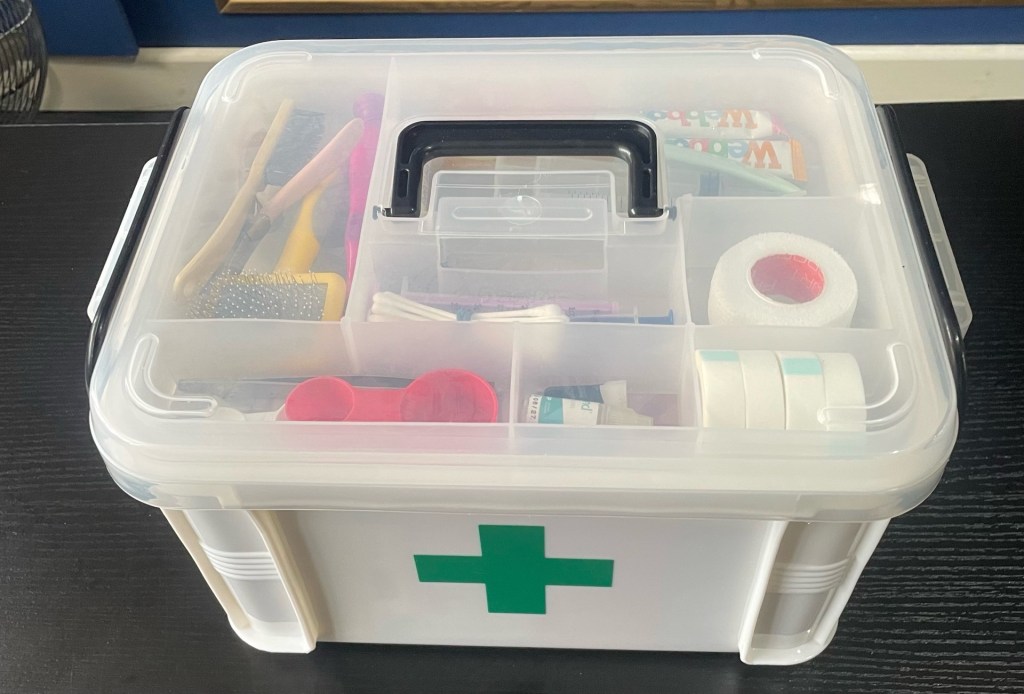
As mentioned above accidents happen sometimes with rats. They can fall and hurt themselves, accidentally cut another rat or even develop things like mites or abscesses. These more often that not do not need vets to look at and can quite easily be dealt with at home. This means keeping a few select things together will allow you to treat them instantly and at much smaller cost. Sticking with The Rat Chat on this topic let’s listen to Things to Include in your Rat First Aid Kit. Obviously always consult a vet with anything you don’t think is classed as minor but for anything else it’s a great idea to keep some handy items together in a cupboard somewhere to administer first aid in a situation that needs it.
Taking the subject of rat first aid kits to a new level now is a great guide by Shadow the Rat simply called Rat First Aid Kit. This is a detailed and complete list of all essential items you can keep on hand just in case something goes wrong. For those of you who like to always be prepared this guide will be great for you. Listing lots of items in all sorts of categories such as physical items, medications and supportive care means you should always have the right first aid on hand just in case you need it. Because as most of us have already experienced with rats you just never know when you might need it.
One of the most common illnesses you will come across with rats is respiratory issues. Rats do have such sensitive respiratory systems you have to be very careful not to cause flare ups with them. Even little things like having substrate that’s too dusty can cause them to be very uncomfortable. Other environmental issues that can affect them are humidity, aerosols, candles and highly scented cleaning products. Also they can be very prone to upper respiratory infections. Breathing is something you don’t want to be messing around with so the Lurelin Rats guide on Managing Rats With Respiratory Issues is your best place to be here. This guide will talk you through possible causes of breathing issues, tips on medications and treatment for them and also the topic of when and if nebulising is going to help. Knowing what “mouth breathing” looks like can be very important. This will be when a rat is really struggling with breathing normally. This guide has a video you can watch that shows you what it is. It is not nice to watch but seeing it could save your own rats lives one day so worth pushing through to view it.
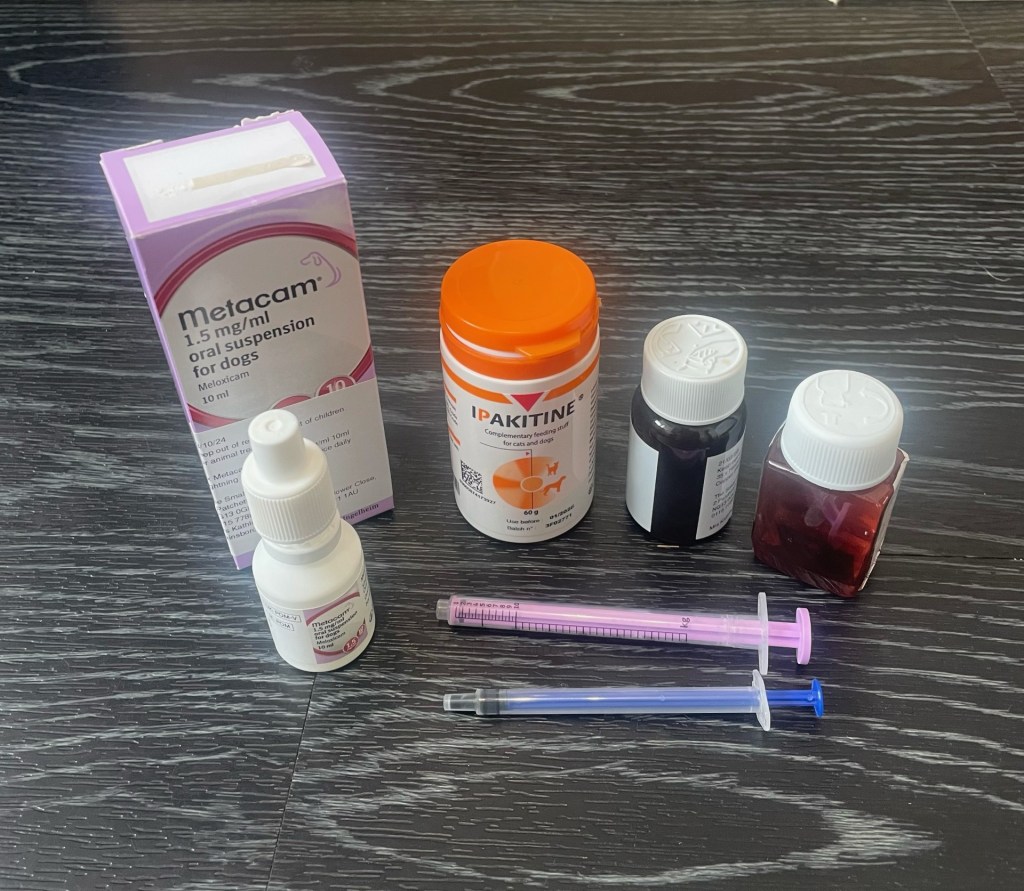
With things like URI’s and also many other rat related illnesses medication will often be prescribed to tackle the issue. With a lot of animals it can be quite easy just to hide a tablet in their food or even just shove it in their mouths until they swallow it. With rats this can be a lot more difficult. For a start they are very intelligent animals with very good senses and a powerful sense of smell. They will be able to sniff out medication a mile away. Getting them to take it can be very stressful if you don’t know what you are doing. Luckily enough Lauren at Lurelin Rats has this covered with the How to Administer Medication guide. This will talk about different ways to administer medication and provide some good examples for you to try. Every rat is different, some will take it mixed in with paste, some with more solid food and some refuse it totally and need to be syringed. Knowing all the different methods to try is very beneficial so luckily this guide has all bases covered.
Accidental pregnancies can happen quite easily with rats. If you have a male and female together for even a short space of time it’s probably too late. Whether its rescue rats that have been found outside or miss sexed rat pairs from pet shops accidental pregnancies are quite a common thing. For years the recommended way to stop unwanted pregnancies in rats was by using Galastop (the common brand name for Cabergoline). The aim of Galastop is to get the rat to re-absorb the unplanned pregnancy. This now is proven to not be the case. Now it’s known that Galastop is often not effective when used so the does continue to go on to give birth to kittens. However, those kittens have a much higher risk of deformity. With that in mind Zoe Lumour has written the guide Why We Need to Stop Recommending Galastop for Ending Pregnancy in Rats. Along with advice from Adele, The Small Pet vet, and looking at the South West Rescue case study Zoe will look into why using Galastop is not the right treatment for pregnancy in rats and will provide you with the suitable alternative.
Surgery and Aftercare
Probably one of the most worrying things you’ll go through with a rat is surgery. There’s not only the actual procedure to go through it’s the aftercare and making sure they recover well without messing anything up.
If you think your rat may need a procedure there are a lot of things to consider before doing so. Things like : Is the vet that will be doing it experienced with rats? Is the rat healthy enough to survive a surgery? Can you give them the aftercare needed to get them better? Operations & Post Op Care by Estelle Sandford of Alpha Centauri rats goes into the surgery procedure in a lot more detail. Guiding you through the process from assessing if surgery is needed to post operative care. As well as looking more into capabilities of vets and what anaesthesias and sutures they will be using.
After picking a good experienced vet and knowing a little bit more about what they will be using during and after the operations to treat your rat it’s time for you to prepare on your side. You’ll want to make sure they are at the best possible condition they can be before the surgery. This means they have had plenty of water and food. If they aren’t eating or drinking syringing water and critical care food down them would be a good idea. Also having a hospital cage ready set up for them would be needed so they have a safe space where they can recover and not harm themselves after surgery. Take a look at Surgery Preparation & Hospital Cage Set Up by Lurelin Rats for more information. This guide will give you tips on what to do not only before they go in for surgery but also after care too. It will help you learn how to monitor them in the hospital cage and also guide you on when to give them a friend so they don’t get lonely.
Rats can sometimes try and bother their wounds too after surgery. This tends to be down to not enough pain medication so this guide will also let you know what to do if they do start bothering their surgery sites. You can also listen to the Rat Chat Podcast episode Pre and Post Op Care for Pet Rats which will continue the advice on how to make this nerve wracking process much simpler including new things to consider like substrate choice in the hospital cage and then judging when it’s safe to reintroduce the hospital cage rats back into the main cage group.
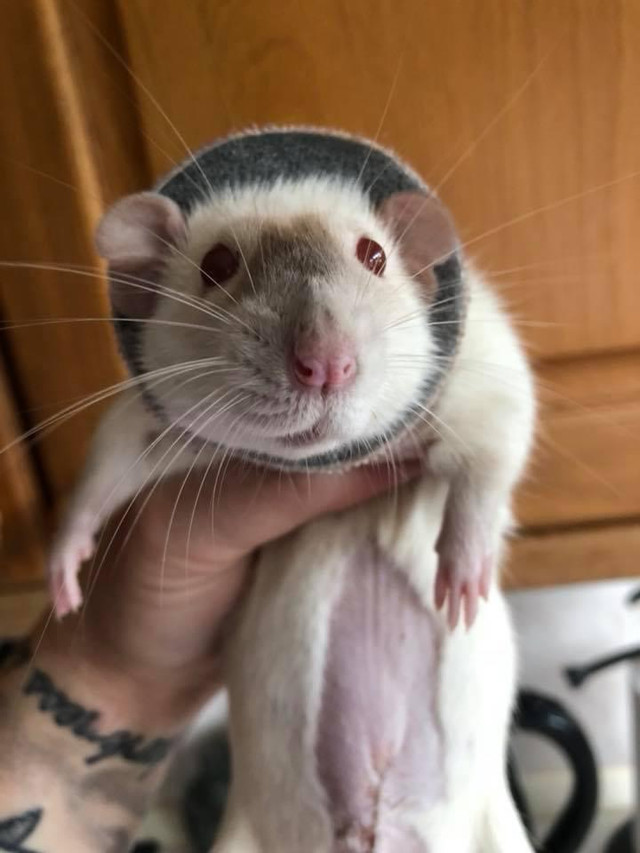
Hopefully there is a few things learned in this section to make this not so nice process of surgery and aftercare seem a little easier. For sure one of the most stressful times with your rats but one that can be made easier with knowledge and experience. The main thing is after they get better and hopefully fully recover it will all be worth it.
The Rat Guide – Medical Website
The Rat Guide website is a huge resource that can be used for many different things. It has so much useful stuff on it I’ve decided to feature it in it’s own section rather than picking different sections and linking them throughout various parts of the site.
This website is advertised as a Layman’s Guide to Health, Medication Use, Breeding, and Responsible Care of Pet Rats. It is split up into 4 main sections: Health, Care, Meds and Breeding and it packed full of loads of different medical guides, advice and solutions to various health and medical situations.
It is highly stressed that the information on the website be for learning purposes only and that it is still recommended that you take any rat that is ill to your veterinarian for evaluation, diagnosis, and treatment options. However this site can be used for research and enquiring on any health issue you may suspect in your rats.
So for any health issues you may want to look into or just general browsing head over to The Rat Guide website now. I’ll list some of the more important and commonly applicable articles that may be of interest below now but as I’ve already said this is a great resource packed full of a lot of different things so it is worth having a good look around yourself too.
Clinical Signs / Symptoms Guide
Contusions, Strains and Sprains
Non-Steroidal Anti-Inflammatory Drugs
 The Rat Wiki