
The amount of information you may have come across while researching owning rats might be a bit daunting. Also there have probably been several cases where you’ve read one thing and then seen something else that completely contravenes it and now you are left wondering which one is right. Unfortunately there is a lot of bad information out there on rats, some is just plain wrong whilst others are just a case of other countries don’t do it the way we do so their advice is not what we tend to agree with. Either way do not panic as I have rounded up all the best guides out there for new owners from some top people in the UK rat scene and the information you get from these will be correct, helpful advice designed purely to help those new to rat keeping who are keen to learn everything.
So let’s start on guides designed for new rat keepers who have just decided to start looking into owning pet rats.
Learning The Basics
The first guide to take a look at is Thinking about Pet Rats by Isamu Rats. This is your very straight forward breakdown on some simple things you need to know before going any further. There is a handy “are you right for rats?” section which will give you different examples of what rats require what it’s like living with rats. There is also a breakdown of average costs involved with rat keeping as it really needs to be stressed early on in your learning stage that rats are not cheap pets at all.
Cost is not the only question you need to ask yourself too. There are many other things you have to ask while looking into this. For instance short lifespan and having access to a rat savvy vet are some examples. So next I think you should look at Are Rats The Right Pet For Me? by Lurelin Rats and see if the 10 questions posed on there can help you decide if you still want to proceed. Preparing for and researching every scenario is not just a benefit to you as new owners but also to the rats themselves. They are extremely loving and intelligent creatures but also can be destructive and messy too. You need to be prepared for the good and the bad to get the most out of them.
One of the most beneficial things as a potential new owner to hear is other advice from experience owners.They can tell you examples of stuff they learned much later on than they should have. Most of us have all been there and the fact you are here right now doing research before acquiring rats means you are already further ahead than a lot of us were in the beginning. To further benefit from this have a listen to 10 Things We Wish That We Knew Before Owning Pet Rats from The Rat Chat Podcast. Here Ebonie and Phoebe discuss exactly that and share some great personal experiences they have been through over the years that new owners can greatly benefit from learning about and remembering for their rat keeping journey.
As I mentioned earlier learning the good and the bad things about keeping rats before deciding if they are right for you is very important. It’s a lot of cost and time spent trying to do it properly only for you to discover something that may be a deal breaker down the line. If by this time you already have rats it’s not nice for you or for them having to re-home them when they have barely settled into their new life. So to take you through the pros and the cons we go back to The Rat Chat Podcast for a talk on The Best And Worst Things About Owning Pet Rats. Here they discuss some of their favourite things about owning rats, as well as some of the difficulties and challenges that come along with rat ownership. Have a listen and hopefully there is some things in there, good or bad, to learn that you may not have known before.
Finally there is the topic of owning rats if you have children or wanting to buy the rats for your kids. While rats are a very good pet for younger ones I’d really recommend firstly asking yourself if you are prepared to take care of the rats if your children grow disinterested in them. This can happen quite frequently so having this in mind when proceeding with rat ownership is encouraged greatly. If you are happy to do so and would like to know more about owning rats with children then read Are Rats Good Pets for Children? by Azuline Rattery. This article goes through some of the reasons why pet rats might be good pets for children and some factors that you need to consider before deciding that you are going to welcome rats into your family. It basically features an in depth list of questions and statements designed to make you think hard about if your family’s circumstances are right for owning rats. Also making sure you fully consider the reality of pet rats and take certain steps before and when getting them.
So that is pretty much the first step completed now as a potential new rat owner. Looking at all the facts, opinions and data possible both good and bad and making the big decision……YES or NO!!!
Planning Your Rat Journey
If it’s a yes then it’s time to move onto the planning stage. So the big question is what are you going to need? You need a cage, you need to fill that cage, you’ll need to find a vet and a breeder. What’s the best food to give, best substrate to buy? And on and on and on. Feeling like there is too much to process all at once? Don’t worry it’s easy to get lost in all of this at the start. First have a read of “I’m Feeling Overwhelmed”: A Quick Guide to Rat Care by Lurelin Rats. This guide will break down the 6 main basic things you need to think about first and gives you some quick advise on each subject and how to make this easier. From future planning with cages to food portion tips and everything in between. This is your best place to start planning for your new rats.
Once you have your head around some of the basics it’s time to start thinking about your rats. Keeping Rats as Pets by Estelle Sandford of Alpha Centauri will start you off with this. This guide covers some topics we have already read through regarding asking yourself if you are ready for rats and the types of situations you will need to cover in rat keeping, but it also goes on to get you thinking about the rats you want which is very important. How many rats do you want? Do you know about not keeping rats on their own and do you want boys or girls? There are also some handy links provided on other good articles you can read to do with this topic.
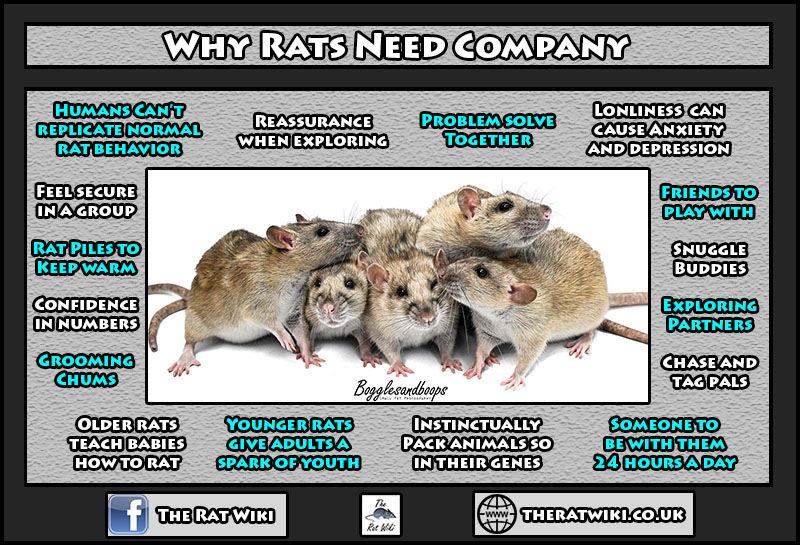
As just mentioned one thing heavily stressed in the rat community is that rats need same species company. You should always have a minimum of 2 rats at all time. They are extremely social animals who thrive in larger groups and can develop extremely complex hierarchies within their groups. Generally more is better with this but as a new rat owner you will be best to keep a minimum of 3 rats for now. This way if something happens to one of them the other will not be left alone. The Rat Wiki Guide on Why Rats Need Company takes some common misconceptions on this topic and lets you know why these are untrue. This is very handy to read as still to this day there are still huge numbers of people on social media that believe these false pieces of information and pass them onto new rat owners when they are simply not true at all. The rat’s happiness and welfare should be number one priority always and research have come a long way in the last few years on this topic, so please believe it when it is said that lone rats never do well and no matter what the age will benefit hugely from having friends.
We can go into this topic further too with the NERS also covering the topic Why rats need company. This covers the same kind of points the previous guide does but it also looks at rats in the wild and the fact they are often part of much larger groups too. It also goes into the common misconception that people can give the rats every bit of socialisation they could need which is also very untrue. Humans cannot groom, roll around and play, teach new things or make them feel as comfortable as other rats can so the best gift we can give them is more same species company.
The following video from the Shadow the Rat One Rat or Two guide will show you these examples of rats enjoying eachothers company and you can see how vital it is for them to have same species interaction to enjoy that with. Just remember although they can love alone (like any animal can) it doesn’t mean they have to and for them to really be truly happy and thrive it’s always best for them to have friends.
So if you are planning on keeping rats for a long time and you want to prevent lone rat situations you will need to start planning every so often to get at least a pair of new rats every 6-12 months or so that you can introduce into the family. This is what is known as “rolling groups” To take you through this in more detail Zoe Lumour of Azuline Rattery has produced the guide “Rolling” Rat Groups- The What, the Why and the How! This goes into more details about this concept, why it is needed and how to maintain the “Rolling Group” principal for as long as you need to while keeping rats.
One thing that is essential to know very early on is rats have such short lives for the amount of joy they bring and how easy it is to get attached to them so easily. Losing a rat hits hard. You’ll be very surprised how hard when the sad day comes when you lose your first rat. It’s something I’ve experienced many times over the years and still really struggle with now. As hard as it is though it’s so much more worth the 2 or so years of happiness they bring. Losing a Rat and Why We Don’t Recommend Starting With 2 by The Rat Chat Podcast covers why considering and planning for the sad eventuality of losing your rats is also an important part of rat ownership. They will also take you through steps you should take to ensure that you are adequately prepared for losing a rat as well as re-confirming why starting with 2 rats isn’t the best idea which we have briefly discussed above.
Before going off and looking for breeders in your area you’ll have to make an important decision and that is do you want boys (Bucks) or do you want girls (Does)?
Bucks
Bucks are often seen as being much more cuddly and placid. They are usually much bigger and chunkier than girls too and not as nimble. During free roam for example most of the time bucks are really well behaved and will plod around slowly making them much easier to keep an eye on. They aren’t as nimble as females so are less likely to try jumping too high out of play pens or other barriers you try put up. In general they can be easier to handle purely because they aren’t as quick to be off like girls so they tend to be favoured by people who want more of a cuddly rat. They have a lovely biscuit smell too. Bucks also tend to have a bit more of a complicated hierarchy too and being testosterone driven it can be a little harder for them to get on all the time and also to introduce them. This shouldn’t be a problem most of the time but to cover all bases it’s worth mentioning.
Does
Does most of the time are faster and more active. They can even be labelled as mischievous and crazy sometimes. They don’t like to sit still too long and are master escape artists known to leap over barriers in play pens and fit through the tiniest of gaps. They are much more inquisitive but can also be destructive. Most people who report the shredding of posh hammocks or plastic cage bases getting holes in them are doe owners. Just like the bucks and their testosterone driven behaviour the girls also are affected by biology. Expect them to come into heat around every 5 days or so which on the day can make them even more fidgety and for lack of a better word….NUTS! Luckily though they do tend to fall out less than bucks in general so introductions usually are a little easier for Doe owners.
What is written above however is just general descriptions and observations of each gender. Of course each rat is different though with some being the exceptions of the rule so although the chances are you’ll get a rat which sticks to it’s gender stereotype it doesn’t always mean it will happen that way so just be aware of that. Each gender does indeed have its own unique qualities though and if I’m honest whichever you pick you will likely be very happy with.
Still unsure on what is the right gender for you? What better way to help you make up your mind than hear some opinions from 2 experienced pet homes. Head back to the Rat Chat Podcast for Boys Or Girls? The Similarities And Differences In Pet Rats where Ebonie and Phoebe will discuss some of the main differences between owning bucks and does and also give their own experiences and opinions on owning each gender as well.
One thing you see all the time being asked on the internet is “Are my pet shop rats boys or girls? I’ve been told boys but I now think they are girls” It is so surprising still to this day this happens. Rats are one on of the least subtle animals out there for identifying gender and pet shops really shouldn’t be excused for getting this wrong. Even if they don’t see it straight away basic research would educate them in seconds to this. Either way this is a great chance to show you the difference with the Rat Sexing Cheat Sheet by The Rat Guide. As you can see this simple diagram will show you the visual differences between the two genders. To put it basically though it’s real simple. Male rats have very obvious large testicles, it’s very hard to miss them. Females obviously don’t have this and females have nipples which you should be able to see if not feel at the least. Learning the difference now is very useful though if you don’t get your rats from reputable sources at least knowing this could save you from getting miss sexed rats and possibly stopping unwanted pregnancies from this.
By now you should know a few differences between boys and girls. Both have there quirks and just because you have a buck it doesn’t mean he will be slow and lazy it’s just in general compared to girls they tend to be more like this than females do. The gender differences are true and widely known however there are an awful lot of common misconceptions out there about rats though that just aren’t true. Examples include “dumbos are calmer and make better pets” and “all pink eyed rats are nearly blind meaning they are shy and nervous.” While It may be true that Pink eyed rats have poorer vision it does not mean they make worse pets than black eyed rats do. To further bust the myth of the Pink eyed rat join Kismet Rats for The Pink-Eyed Elephant In The Room article. This will go into further detail for you to reassure anyone who has ever heard this that with the right background and socialisation it doesn’t matter what eye colour they have they should all still make perfect pets. I think one line in this sums things up perfectly with a lot of things like this, don’t discount pink eyed rats because someone who’s owned 3 of them from PAH tells you they’re shy, make your own minds up about them.
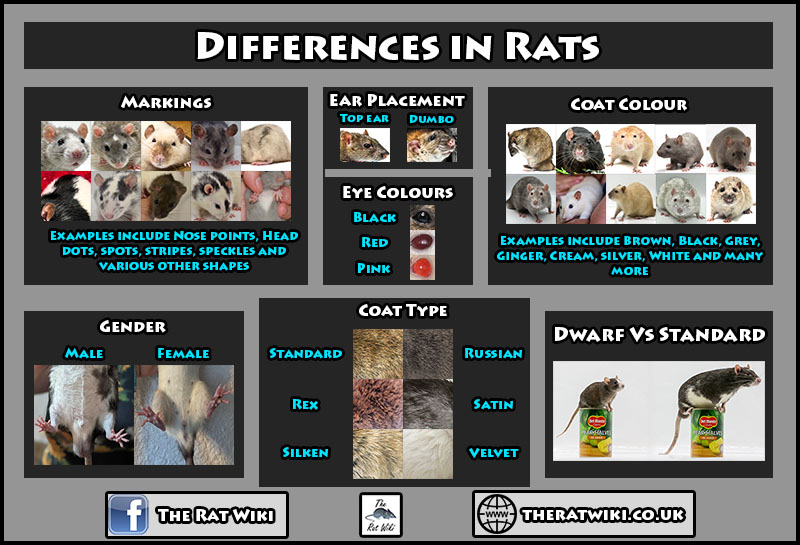
There is actually a large amount of differences in pet rats. Whilst they are generally overall biologically the same there are many different things that make them different to others including eye colour, ear placement, coar colour, markings and much more. For a more in depth guide on this please check out The Rat Wikis guide on The Differences in Rats
Once you have picked what gender (or happy with both) you will also need to start thinking of other basics you’ll need to start collecting before picking your rats up. There are a lot of things you’ll need so to get you started with the basics join the Rat Chat Podcast once again for New Owner Checklist for Pet Rats which will hopefully help you start to think about sourcing things like cages and getting the right food as well as much more.
Speaking of cages and food this leads into a perfect guide which combines these two things. As mentioned, at this point in your research things like this should be starting to come up with your planning. Knowing what cages to get, what to fill in them and what foods and treats will be good for your rats can be a little daunting at the start when it all comes at you at once. For a breakdown of some of the basics of these things Rat Care Basics by Faithful Rattos is a great guide to look through. It will cover the basics of cage sizes and what to fill them with and also all the different categories of diet you can give to your rats . The great thing with this guide is the “inspiration picture” section which shows lots of different examples of how you could be setting up cages and also many different examples of foods to provide.
There are a lot of things out there that new owners may not have come across yet either. With so much information spread all over the place it’s hard to see everything out there. To make sure you’ve heard as much as possible in your research once again join The Rat Chat Podcast for 10 Things New Owners May Not Know. “From intros, to rat snot and bar spacing to testicles” Yes you heard that right this episode is designed to cover all the things possible you might have missed so far.
And finally before we look at the next stage of this section which is actually applying for and acquiring new rats I’d like to share with you what’s considered by a lot of people in the rat world as the bible to new rat owners. This is something I really wish I would have found early on in my rat keeping journey and frequently share with others as well as check back in on myself. 10 Most Common Mistakes New Rat Owners Make by Azuline Rattery is a 10 part super guide that runs through a huge variety of different mistakes people may make when owing rats for the best time. It covers everything from getting rats from the wrong sources, feeding the wrong food, poor cage items and setups and much more. Basically if you study this guide in full and avoid doing all of them you’re already 10 steps ahead of some of us that may have fallen into these traps in the early days when we started out.

Applying To Breeders
Now it is time to move onto the final section of new ownership guides, getting your first rats. By now you have hopefully fully decided you want rats as pets and know the good, the bad and the in between that comes with it. You either have your set up ready or know what’s needed and have started to think about things like how many you want to start with and whether you want boys or girls. To carry on this thought process and to further introduce you to this final stage read Getting your First Rats by Isamu Rats.
Once again this will run through some basic differences with you on the variation between boys and girls if you haven’t yet decided and also again summarises the importance of having more than 1 rat at the start. But it will also further go into the process for you of where to source your rats from. Not only pointing you in the right direction of good sources like reputable breeders but also covering some bad sources like pet shops who mass produce rats in rodent mills which can cause health and temperament problems. At the end there is a very good “preparing for your rats” section which will summarise key timelines for new owners in what should be happening roughly in that time frame as you prepare and get ever closer to getting your new additions.
Keeping with the theme of sourcing your first rats we can also read the Where Should I Buy My Rats From? guide by Lurelin Rats. This guide will go into a bit more detail with you on the various different ways of acquiring rats. Once again running through the bad ones and explaining why they are bad but also giving some good advice on some of the good sources. For instance some very handy “do’s and don’ts” for contacting a breeder and also letting you know rats travel very well so you can broaden your search area if desired. There is also a great tip section on how to spot red flags in potential breeders that could turn out to be unethical back yard breeders which can be a huge benefit for you.
Hopefully now you have been convinced to go down the route of applying to a breeder. What do you do next? Azuline Rattery are back with Identifying Reputable Rat Breeders. This will break down the process into much more detail for you. Once again giving you some great detailed examples to look out for to spot back yard breeders. Many examples are provided and this is well worth studying in great detail for when you come to look at applying. It then talks you through the process of contacting good breeders and tells you the right way to go about each step. Right from the things to think about before applying, making contact with a breeder and then what to expect after making it onto a waiting list right up to them being born.
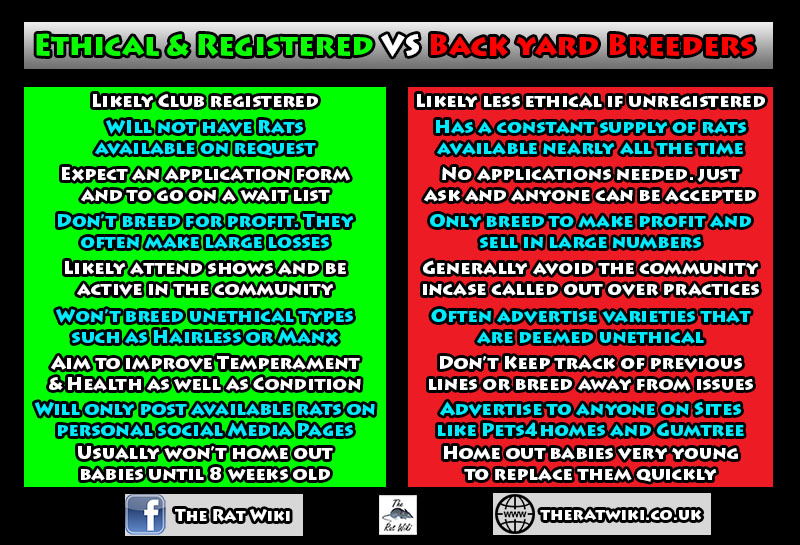
This process can be very overwhelming when you haven’t done it before. Not knowing who is classed as a reputable breeder and who could potentially be a back yard breeder to start off is scary. Then all the added pressure of having to contact various people and filling out an application for etc. This can be a confusing and daunting experience if you haven’t done it before. If you are still not sure what it’s all about sometimes listening can be much easier than reading. It that is the case its time to once again join The Rat Chat Podcast for help on this matter. The episode Applying to Rat Breeders: The Process and What to Expect will hopefully clear up and more questions or concerns you have on this process and make things seem a little clearer.
If you want to further look into what breeders are in your area please take a look at the following clubs breeders lists:



That pretty much wraps up all the info you need to know on everything as a new owner you need to do before getting rats. By this point you will have applied for your rats, have a well designed and homely cage set up ready to go, plus you’ve hopefully just got a message saying your new babies will be ready to pick up soon. It’s both a happy and nervous feeling probably the first time. All your hard research and patience has finally paid off so what to expect when you go and pick them up. But before we do that we have to have a look at the sadder side of sourcing rats.
Pet Shop Rats and Rodent Farms
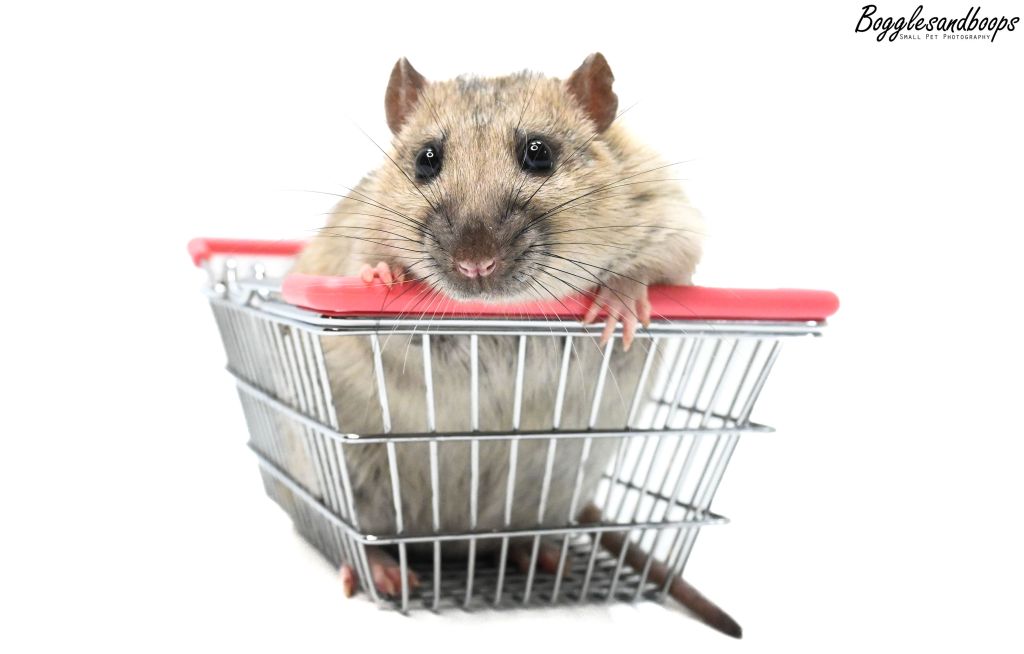
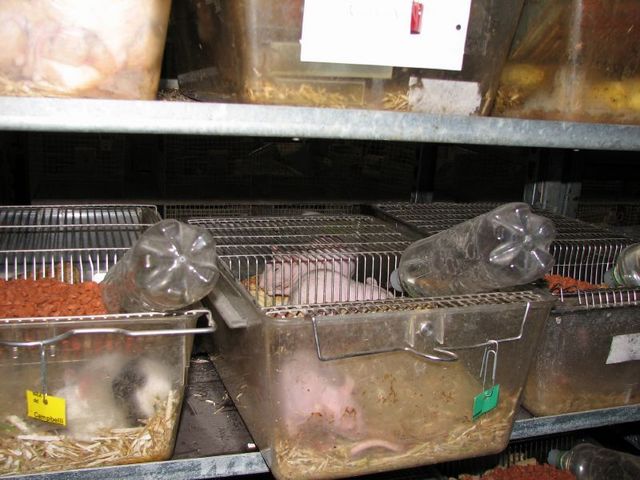
By now you’ve probably seen on here and indeed various social media platforms that buying rats from pet shops is not encouraged at all. They may be very tempting to get as waiting for breeder rats can take months yet you can walk into pet shops and there is loads ready to go. So why shouldn’t you get rats from pet shops? Zoe Lumour of Azuline Rattery will explain to you with the Buying Rats from Pet Shops guide. This is a quick overview of the main issues with buying from pet shops including the issue of the unethical conditions they are kept in before reaching the pet shops as well as other welfare, health and temperament issues. A pros and cons list of buying from both pet shops and breeders is also provided to lay down all the facts for you to see.
Following on from this subject and looking further into the issue of buying rats from pet shops in much more detail is Petshop Rats: The Endless Debate by Kismet Rats. This great article aims to give further evidence of the bigger picture issues that come with sourcing rats from pet shops like not knowing family history, increased chances of health issues and funding rodent mills. It further goes into the importance of sourcing your rats from Ethical sources like rat breeders where they will be actively aiming to improve lines for the better. As stated in the guide too, even if you don’t go down the breeder route there are other options better than buying directly from pet shops like adoptions sections, rescues and rehoming sites on places like Facebook.
Finally, if you still haven’t been convinced we can take a look at the NERS guide called Buying Rats From Pet Shops. This starts out explaining how years ago we didn’t have the information we do now about where pet shops sourced their rats from and if we did would be still go ahead and buy from them? It also opens your eyes a little to the fact these poor animals are kept in such bad condition, mass bred with no proper rest and they are part of a lottery in which half of them will end up in pet shops whereas, and i’m sorry if this is upsetting, the other half will probably end up as snake food. This is not the fun part of The Rat Wiki i’m afraid but it is an important one and guides like this are crucial to get the message out there to stop supporting rodent farms and the shops that they feed.
You’re a Rat Parent. What to do next?
The Isamu Rats guide on Starting out with Rats is your go to place for letting you know what you’ll be experiencing in the early stages of ownership. It will tell you what to expect in your first few days after getting them. Also advice on how to handle them and get them used to being around you. Further tips on building a good relationship with them featuring some good tried and tested methods are also provided. Plus to help even more there is a few YouTube videos featured at the end too for further visual teachings.
Earlier on in this section we looked at a guide on “Are rats good pets for children” in which the answer is yes. If you have planned on having rats as pets for the children (hopefully you are fully prepared to take over ownership if the child no longer seems interested) then by the stage of actually picking them up you might want to know a little bit more on rat keeping with your children. To run you through some more details and advice on this Lurelin Rats has written the How to Support Your Child in Their Rat Ownership guide. This will help make sure you involve your child in research before getting your rats as well as managing their expectations during the application process. Also then what you should do when you bring your rat’s home including bonding, handling and healthcare. Hopefully there is everything you and your child will need to understand covered in there.
If you have for whatever reason purchased rats from a back yard breeder or a pet shop and you didn’t know the downsides then don’t worry. There is no judgement here a lot of people have done the same before knowing the benefits of moving away from all that. Do not panic either. A lot of people have had rats from these sources in the past and some of them have led long and healthy lives. The main issue with pet shops and many back yard breeders is the rats are bred mainly for profit which means the breeders aren’t concerned about things like improving health in lines or breeding for better temperament so there are much bigger chances your rats can become sick a lot easier or become more aggressive. Hopefully this is not the case with your rats but if you are worried and would like to know if there is anything extra you can do there are a number of steps that you need to take to ensure the rats are supported to thrive. From sexing the rats correctly as often they can be sold as the wrong gender to follow-up actions and checking age and overall condition The How to support rats from a back yard breeder or pet shop guide will give you all the tips you need to know in supporting them.
One thing you will have to do at least once with rats is travel. This may just be once when you pick them up but it could turn into a regular thing if you have to take them to a sitter when going on holiday or if you start attending rather than shows regularly. Knowing not only what to take them in but also preparing for different scenarios and temperatures is hugely beneficial for keeping your rats safe and well during travel. Travelling With Rats by Shadow The Rat has a handy guide on this and shows you some good examples of what cages/carriers to put them in. Remember, larger is not always better with travel so smaller carriers are better options as if there is a bad accident the rat is more contained in a smaller space. The guide will also give you tips on what and what not to put in the cage to keep your rats safe during travel and also keeping them cool during high temperatures. Luckily enough if you get this right everything should be fine as rats are extremely good travellers and can manage long distances very well.
Hopefully this has cleared up a lot of unanswered questions and made things a lot clearer for you now. Being a new owner can be very daunting at the start but once you get a good understanding of the basics you soon get the hang of things. The more you learn the better your rats will be for it so keep striving to learn as much as you can.
Good luck in your new journey you are about to start something truly special.
 The Rat Wiki