
Bite size information for new rat owners
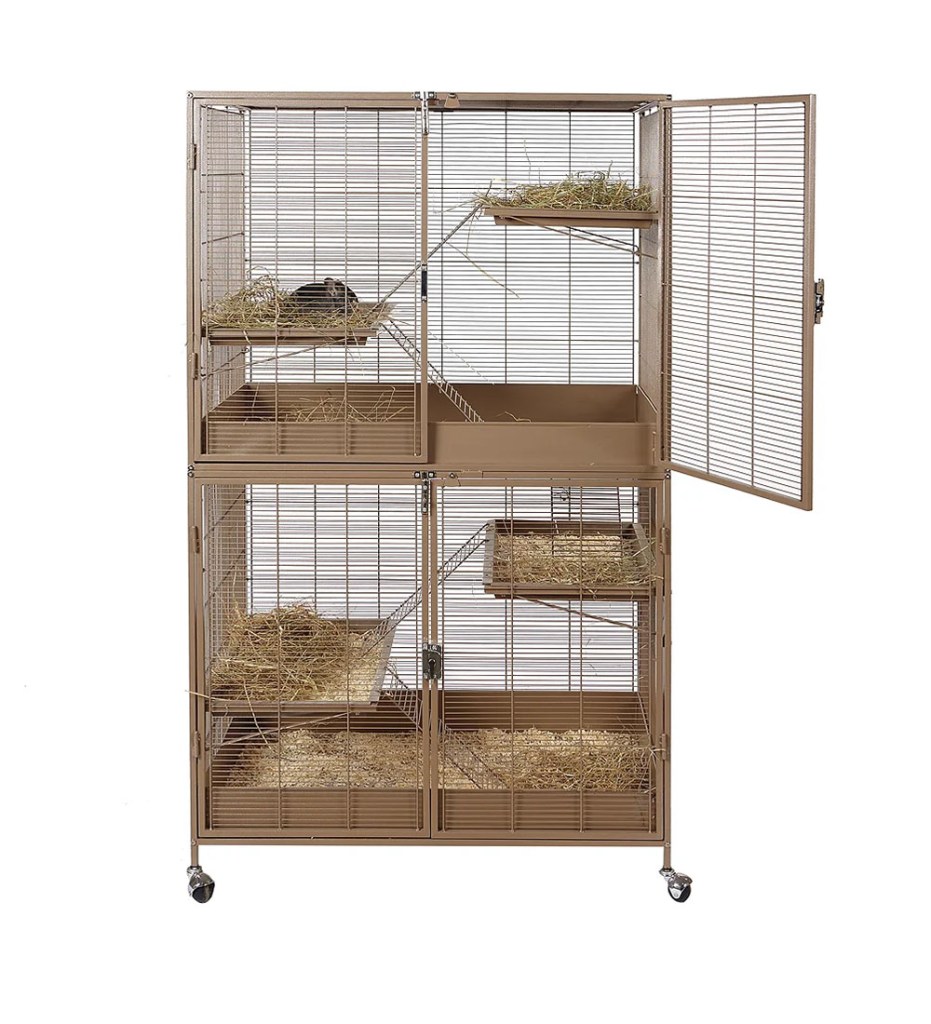
- A Rats Cage should be a safe haven, somewhere to feel safe, secure and keep warm and happy.
- Remember you should design a cage to be good for the rats not to look good to you. Chaotic and random is what they like.
For a big list of recommended cages click HERE
For a good cage size calculator click HERE
Size & Space:
- Total space – 2 cubic feet per rat is advised
- Floor Area – 80cm X 50cm good minimum starting point
- Height – 50cm minimum. Although the higher the better
- Cage Rating – aim for one rated for a minimum of 3-4 rats to start with
Remember you can always buy bigger and section off if you need to until you build your mischief size up!
Bars:
- Spacing – 15mm or below is ideal. If larger may be okay for bucks and large does but meshing may be required.
- Coating – Durable enamelled is best, galvanised is also good. Most other things will get chewed and rust
- Wire Bases – Not good for feet. Needs covering or removing. Can put a large tub or DIY base on top
Base:
- Preferable to have a Deep based Tray
- More substrate to dig in is better for the rats.
- If cage comes with shallow base you can make your own DIY Perspex base Click HERE to see how.
Access:
- The larger the doors at the front the better
- For smaller cages having top opening cage is much easier
- Minimum door size should be 2 hands and a wriggling rat sized
Large Shelves/Platforms:
- A more open layout is better as it creates more room and more opportunity for rats to be active
- Platforms should be removed and replaced with fall breakers spread out tactically throughout the cage
- Large platforms generally get urinated on and make for a lazier layout
Location:
- Somewhere with good air flow and not too enclosed
- In your main room is best for maximum interaction and getting them de-sensitised to noises and other people.
- Other rooms are fine as long as good temperature/humidity and you can check in on them easily.
- Ideal room temperature range – 15 – 25 Celsius
- Ideal Humidity Range – 55 – 75% Humidity
Substrate:
(Links are examples of the most popular products for reference, always shop around for cheaper prices and other options are available)
Good:
- Kiln dried, dust extracted shavings: Bedmax – Snowflake Supreme
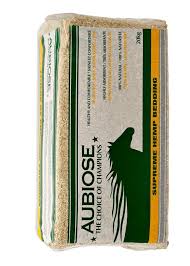
- Hemp: Aubiose
- Shredded Cardboard: Green Mile
- Bioactive Setup: Coco Fibre soil
Bad:
- Care Fresh – It’s dusty and scented which can irritate respiratory systems
- Fleece – Not very absorbent so urine smell will be more powerful. Also no digging opportunities
- Litter – Not comfortable as a substrate to walk on and not good for digging. Should stay as litter tray item only
Litter:
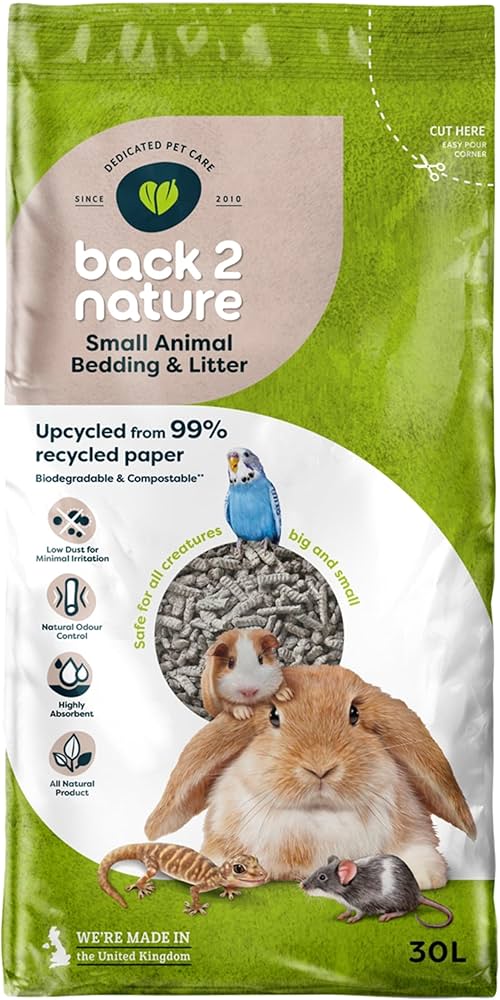
- Recycled paper pellets – Breeder celect – Back to nature – Tesco home brand
- No Wood based – Unknown woods used and breaks down when wet. Turns dusty which can irritate respiratory systems
- Can have multiple litter trays in a cage at once
- Add a smooth flat stone to each one to help with litter training
Accessories & Layout:
- Items to fill with include : Water bottles/bowls, litter tray/s. Hides, hammocks, ramps, platforms, ladders and ropes.
- Fall breaking items should be placed so all areas are covered in case of a fall
- A good rule is a small ball should be dropped from anywhere in the top of the cage and should not hit the bottom directly.
- Large cages with a small amount of rats can be sectioned off in half to make a more sociable environment until larger mischief’s are achieved
Enrichment:
- Exercise – Create an active cage layout that encourages climbing, can put a large rodent wheel in cage (Minimum 14 inch for girls, 16 inch for boys) Free roam every day or two for about an hour.
- Foraging – Scatter feed food daily, use puzzle feeders and homemade treat dispensers for extra stimulation
- Digging – Nice deep base filled with substrate, DIY deeper bases are a good extra as well as large dig boxes too.
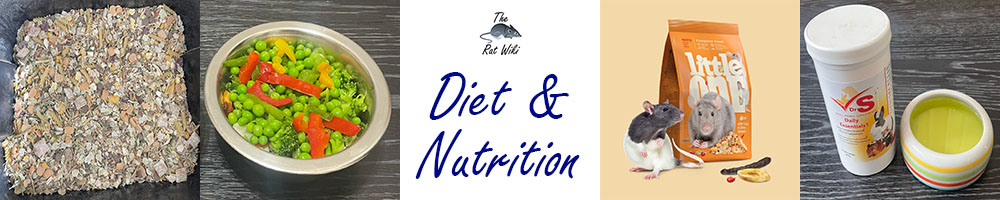
- Getting diet right can improve overall condition, expand average life expectancy and possibly reduce health issues
- A good diet should be varied and balanced to not only give a good range of nutrients but also good for enrichment
Dry Mix
A balanced rat mix improves coat condition and overall health and well being
- How Much– 15g-25g per rat per day
- How often – 1-2 times daily
- Technique – Scatter feed by shaking the food all over the base of the cage so they have to search and dig around for it. No food bowls in cage.
- Storage – Keep in air tight container to stop bugs. If bugs are found freeze for 24-48 hours.
Nuggets/Pellets:
- Not Nutritionally complete
- Poor quality ingredients
- Boring. Lacks variety and enrichment
- Designed for lab rats who are different to domestic rats
- Often wheat based which can cause kidney problems for older rats
- Some nuggets have been linked to certain health problems including tumours
- In an emergency Science Selective nuggets are best but not recommended long term
Commercial Mixes/Muesli mixes:
- Pet shop mixes have more variety but still unbalanced nutritionally
- Tend to contain more high fat ingredients
- Protein and fat content usually too high ( should be around 12% protein & 4% fat)
- Low quality and often un-digestible ingredients
- Also more primarily wheat based, which is harsh on older rats kidneys.
- Better examples include Little One mix & Tiny Friends Farm Mix
Ready Made Rat Mixes:
- Easiest option and makes more sense if you have a smaller mischief
- Mixes can be bought tailor made to your rats situation (old, kittens, feeding mums etc)
- Delivery is usually a lot with some providers so buy more to save in the long run
- You will need to supplement with Dr Squiggles/Calcivet or CaCuD3 with most mixes
- Good places to get mixes: ratRations, Ratcessories, Critter Happy Homes, Ratatat Toys and things
For a good guide on RatRations mixes and which ones to buy click HERE
DIY Rat Mix:
- Best mixes are ones based on the Shunamite Diet
- Enables a more balanced diet
- DIY mix is more beneficial financially the more rats you have
- Make your own mix is a little more expensive to start off with but gets very cheap compared to buying ready made mixes over time.
- DIY mix is more beneficial financially the more rats you have and the bigger the batches you make the cheaper it works out in the long run
- You can increase calories in ingredients if you have kittens, feeding mums or seasonally (more in winter)
- Allows you to learn more about better nutrition and finding better ingredients
- Easy to learn with guides and you can customise to suit you and what’s available near you at the time
- Easily tweak ingredients to keep on improving your rats condition
- Changing up mixes good for enrichment and keeps your rats from getting bored with their food
For a guide on how to make your own mix click HERE
For a guide on how to make an emergency mix from kitchen cupboard items if you run out of mix click HERE
For a huge list of suggested ingredients you can use in DIY rat mixes click HERE
What To Avoid In Mixes:
- Look out for very vague, none specific descriptions, such as using ‘poultry’ as opposed to a named meat
- Words like meal (this means the protein comes from the stuff blasted off the bones, not true meat as such)
- Terms like wheat feed (essentially the left over bits and bobs from processed wheat, likely to be inedible
- Worth avoiding lots of additives in terms of e-numbers, colours etc. (vitamin additives are fine) as some have been linked to health issues in rats
Fresh Food
Fruit and Vegetables:
- Find a balance of leafy greens, colourful Veg, fruit, legumes and other types of Veg
- Don’t feed too much starchy Veg or sugary fruit
- You can make up bulk batches of fruit/Veg mixes and freeze
- Make sure you research what can be fed most of the time and what should only be an occasional treat
For feeding fresh fruit and vegetable see HERE
Wet Meals:
- Examples include: dog/cat food (high quality, fish based is better) hard boiled eggs, cooked chicken, tinned fish, and even cooked bones
- Good way to boost growth in kittens and bulking up older rats with extra protein
- Do not feed too much or it can cause issues like weight gain
- Good for adding supplements in
Extras
Treats:
- Examples include table scraps, Malt Paste, Nibblots, baby food, Lick-E-Lix Cat treats or Nutella/Peanut Butter/ Biscoff Spread.
- Junk food can be given as treats sparingly
- Also good to get rats to take medicine by mixing it in with a treat
Enrichment Feeding:
- Rats enjoy being challenged to search for their food
- Using bowls makes things boring and causes food boredom
- Scatter feed all across the base as a minimum. You can scatter it all over the cage to challenge foraging skills too.
- Can bury things in a deep dig box. They will enjoy digging anyway but finding treats will encourage them to do it more
- Hang food using string, safe wire or pegs around the cage so they have to climb to get hold of it
- Can make kebab style treats by breaking ends off skewers to make safe and attach food to. Great to hang around hard to get areas of the cage
- Wrap up treats in cardboard, paper and tissue in little rat presents for them to open up
- Buy specially made puzzle feeders and foraging toys that challenge their thinking and make them work for their food for maximum enjoyment
Supplements:
- If feeding a homemade rat mix, rat ration mix or other homemade commercial mix then supplements will need adding
- The two most useful available in the UK are Dr Squiggles Daily Essentials (water soluble) and Rat Rations CaCuD3 (powder for adding to wet food).
- It’s also good to add Calcivet if using Doctor Squiggles Daily Essentials too
- Supplements should be given about 2-3 times a week
Oils:
- Needs to be around 5% of the overall diet in order to keep the rats coat and skin in good condition
- What you want is a good balance of omega 6 and 3 oils. The omega 6 is easy to get but harder to get enough Omega 3. This is found in some nut and seed oils and these can be very useful added to wet food
- Good oils to use are: hemp oil, flax or linseed oil, coconut oil, cod liver oil or salmon oil
Feeding Kittens:
- Kittens should be fed extra protein daily up until 12-16 weeks
- 1/3 pouch of wet dog food is quite standard for 2 rats. Egg, chicken and sardines are also used
- They also need lots of vitamins and minerals too so plenty of Dr Squiggles & Calcivet or CaCuD3
- Feed fruit and vegetables in very small amounts at the start to avoid bad bellies. Increase gradually as they become more used to them
- Feed healthy treats in moderation to gain trust, bond and also give extra protein.
- Natural dog and cat treats are good for this. Look out for chicken, fish or liver. Dried fish or nuts in shells are also good to give them
- Try to avoid junk food when they are so young. It will get them used to bad food and they won’t want to eat healthy food so much
Limitations
Feeding Older Rats:
- Choose kidney kind proteins such as egg, soya and fish.
- Lowering protein reduces work on kidneys so keeps them going longer
- Reduce the amount of food containing Phosphorus (oats, wheat and rye) brown rice and wholegrain.
- Give lots of things containing antioxidants and vitamin C like berries
- Feeding raw garlic (small amounts) is good for the heart
- Supplement omega oils a couple of times a week ( linseed/flax oil, hemp oil, mixed omega oils)
- Older animal supplements like Senior Aid and Senilife can be given. They contain omega oils, vitamin B, taurine and glucosamine which is good for joints
- Dark green leafy Veg makes more work for kidneys on older rats so try to avoid
Foods To Avoid Or Limit:
Foods to avoid:
- Dried or un-cooked beans: mainly kidney and soya beans. Can be quite toxic when dried
- Liquorice: in large amounts can cause neurological issues
- Spicy chilli’s: just not enjoyable for them. The mild spicy and dried ones in parrot mixes are fine but not recommended to go any hotter
- Citrus (bucks): very small amounts won’t cause issue but needs to be very limited amounts to be safe
- Mouldy cheeses: bacteria in these cheeses can cause issues in rats and can be toxic. Not worth risking
Keep an eye on:
- Peanut butter/Nutella/other sweet spreads: needs watering down as can choke rats if too thick
- Lactose: some rats are intolerant to lactose, probably best to not give anyway but if you want to monitor closely and stop If bad bellies happen
For a huge list of safe foods for rats click HERE
Food Myths
- Chocolate: Rats are fine to have it despite internet rumours saying otherwise. Still high in fat and sugar so limit to treats. Dark chocolate good in small amounts for helping with URI’s
- Raisins: Known to be bad for dogs so rats are fine. High in sugar so feed in moderation. Some currents contain high levels of copper which often has to be supplemented into a rats diet
- Garlic and onion: believed to be toxic to rats especially when raw. True only in very high amounts (as it is in humans) aim for small amounts raw but cooked can have increased amounts. Health benefits from raw are very good
- Rice: goes off the old myth of feeding birds rice causes their bellies to explode. Total myth. Rats will grind the rice down so much this wouldn’t happen anyway. Rice is useful in a balanced diet, its kidney kind, cheap and easy to get hold of and low in phosphorus.

- There is a lot of bad information out there, some is just plain wrong whilst others are just a case of other countries don’t do it the way we do
- The amount of information you may have come across while researching owning rats might be a bit daunting
- Here is all the best information you can find as a new owner to help you make an informed choice and do good research.
Learning The Basics:
- Research and Preparation is key
- Rats make excellent pets. They are Cuddly, interactive, loving, tolerant and adapt to you very well
- You will need someone to look after them while you go away as things can go wrong quickly with rats if left for long periods of time
- Rats can be quite destructive with chewing, gnawing and scent marking
- Will need feeding and water changing daily as well as cleaning out every 1-2 weeks
- Rats have short lives so need to prepare for loss at 2-3 years average
- Sudden losses can happen at anytime so need to be prepared mentally for that
- Rats are very prone to health issues which can be stressful, time consuming when treating and financially can be a lot
- Can be time consuming. They need interaction, checking over and supervision when out for free roam
- Can’t be left alone. 2 is a minimum but recommended to have 3
- Rats tend to sleep in the day and be more active at night. They will adjust to you being around at busy times like early mornings and evenings though
- Allergies – worth meeting rats beforehand to check your not allergic
- Rats eyesight is generally quite poor. Despite this they get around quite well and can be confirmed to explore
- Advice from non UK sources are often wrong to practices we use here in the UK
Cost Of Rat Keeping:
- Need to remember there is up front cost for items as well as regular upkeep items
- Initial Cost of rats: Currently minimum £25 per rat from a registered breeder roughly
- Cages: Main Cage, Intro Cages, Hospital Cage, Travel Carrier
- Cage Accessories: Water bottles/Bowls, Litter Tray, Exercise Wheel, ropes, perches
- Substrate,Litter and Bedding
- Beds: Hides, Hammocks, Sputnik, other structures
- Food: Dry Mix, wet food, treats
- Safety: Fall Breakers, Nets, Ropes
- Toys: Enrichment items, boredom breakers, puzzle feeders,
- Supplements and other Health Items
- Veterinary: Checkups, Surgeries, Medicine, procedures and aftercare
Why Rats Need Company:
- Rats are social animals, gaining much enjoyment and stimulation from each other’s company
- They live in large family groups in the wild, so in captivity they live a more natural life if kept in pairs or more.
- Rats living in groups can have fun chasing, grooming, cuddling, playing, wrestling, communicating, bonding and just enjoying being with each other.
- Rats with company have more options than the single rat, who can only sleep, or sit and wait for human attention.
- Many laboratories now refuse to keep rats alone
- For a great guide on why you shouldn’t keep rats alone please click HERE
- Even if you were to spend most of your waking hours with your rat (which most people don’t) it would still find itself alone for a large proportion of its life
- Humans can not cuddle like other rats do, or groom, make them feel safe when scared , play, forage and explore
- Being alone can sometimes lead to grief reactions that are so severe they can push the rat into a physical decline.
- The amount of work needed to care for 3 or 4 rats (in one cage) is very similar to that needed to care for a pair.
- Young rats have unique behaviours and need the company of other youngsters to engage in learning behaviours such a mock fighting.
- Having multiple rats will not decrease their bond with you, and indeed in the case of shyer rats they’ll often become more friendly just by copying their cagemates good example.
- Rats spend a lot of time grooming, but grooming each other is easier and fun
- If planning on giving up rats or keeping short term need a plan so you don’t end up with a lone rat
Rolling Rat Groups:
- Don’t increase numbers too quickly or you’ll be in for a rough time in 2 years time when they all leave you at the same time
- Numbers of costly old age illnesses all could come at once if not staggered ages
- Increased stress, cost and time consuming due to medicating if all the same age later on in life
- Multiple losses too close to each other can be too much for owners and can lead to giving up on owning rats
- Losing too many rats at once can also really upset the hierarchy in the cage which could also cause stress and arguments with your rats
- Rolling groups is spreading the ages of their rats evenly over a couple of years so you always have older, Middle Aged and younger rats in your mischief
- Add a pair of kittens every 6 months for an average group of 8-10 rats in total
- Add a pair of kittens every 9 months for an average group of 6-8 rats in total
- Add a pair of kittens every 12 months for an average group of 4-6 rats in total
- Rolling groups allow the elder rats to teach the younger ones how to “Rat” and the younger ones can often give the older ones a new lease of life and keep them more active
- Adding new rats also keeps owners happy and stimulated and gives a boost of joy to you
Veterinary:
- For a big List of Exotic and Rat Savvy Vets Click HERE
- Need to prepare and source one early as people think it’s easy to find a vet experienced enough to correctly treat rats.
- Best to have a local vets you can use for small issues and checkups but also look for an Exotics vet for more serious issues
- Always research each vets and ask them their experience with rats and how confident they are in treating them
- Most inexperienced vets will often give wrong meds or underprescribe lengths of treatements so always do as much research yourself as possible on things and discuss with vet if needed.
- You don’t have to limit yourself to just an Exotic vet for rats. An experienced rat savvy vet is much better for most things than a well trained exotic vet with no experience with rats ever.
Rats And Children:
- Rats are curious, interactive and playful so great for children
- Young children need to be supervised at all times around the rats
- Children should be old enough to understand simple instructions like don’t poke fingers through bars or close the cage door before being allowed on their own
- The adult should always be primary carer who ensures the rats needs are met. Encourage children to do their caring bit the adult should be the ones in charge
- You need to make sure you yourself won’t get bored of the rats even if your child does
- Advisable against keeping rats in child’s room. Noisy at night and can disrupt sleep. Need space to free roam without destroying child’s toys/items in room and also easier to not meet needs or not sport illnesses or injuries if they are somewhere you don’t see most of the time for example a living room.
- Rats aren’t always like you see in videos. Some rats aren’t cuddly and don’t do tricks easily. Make sure you educate your children about this.
- Need to prepare children to understand health issues and chance of sudden losses
Bucks Or Does:
- Bucks are generally more laid back, slower and larger
- Does are lighter more inquisitive and faster
- Does tend to be more lively and interactive and if you want to attempt to train your rat, you are probably better off with does
- Downside of does is that some do get benign mammary lumps as they get older and these will often need to be surgically removed
- Average lifespan of a Buck is 2-2.5 years
- Average lifespan of a doe is 2.5-3 years
- Bucks are probably more suitable for younger children as they are slower and easier to hold because they are bigger
- If you have both sexes never allow them to free-range together, ensure the cages are secure and the bar distance is small enough to stop any escapees and accidental oops litters
- For a visual guide on correctly sexing rats and the physical differences between them click HERE
Sourcing Rats:
- Rats from non-reputable sources are much more likely to be pregnant when you get them, be underage, bite, be difficult to handle, and have more health issues.
- Reputable breeders do not breed to demand and do not have lots of rats ready to go. This means that you are likely going to have to wait.
- Get on multiple breeders lists at once so you have a better chance of getting offered rats and can also be good for rolling groups if offered more later on
- Means your child gets to learn a valuable lesson about pets not being easily purchased commodities but also allows you to test their interest
- Rats travel very well so you can expand your search area quite highly
- Check out the full NFRS Breeders list HERE
- For a large list of Local rescues across the country click HERE
- Avoid websites such as pets4homes and gumtree as these websites are full of backyard breeders
- Avoid pet shops as the rats are either sourced from rodent mills or backyard breeders
- Hairless rats are unethical, need extra care and feeding and no good breeder will offer them to you
- No difference between dumbo and top ear
- No difference in temperament between eye colour.
- No difference in temperament between colours
- Difference in temperament between males and females
General Care and Interactions:
- They will need time out of their cage quite often either in a play pen or a safe room where they can’t escape
- Other pets – keep them separate from the rats. No inter species interaction
- Red/pink eyed rats have slightly worse eyesight than black eyed. They often sway heads from side to side to focus better
- Eye colour doesn’t make a difference in general temperament. They may be a little more nervous if you sneak up on them
- Breeder sourced rats should be quite tame and used to handling so you can carry it on almost instantly
- Pet shop rats or Rescues might need a little time to settle into their cage before handling or it can become overwhelming
- Using treats can encourage them to trust you more
- Talking to them near their cage and also putting your hand in for them to sniff will get them used to you
- Treats that can be licked off your hand like Lick-E-Lix and Malt Paste will also encourage trust
Basic Health Checking:
- Check eyes are bright and symmetrical
- Check moving around fine and not limping
- Listen for honking, wheezing, chest rattles or excessive sneezing
- Monitor any porphyrin (red secretion around eyes and nose)
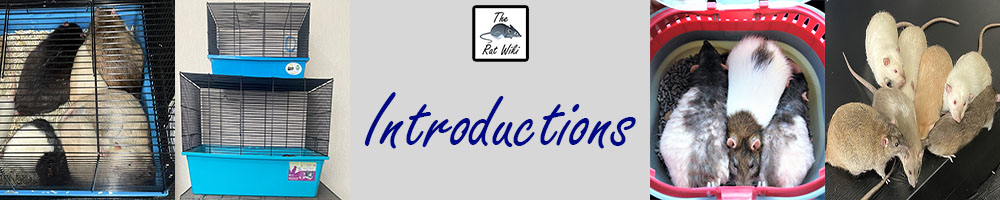
What Are Introductions:
- The method of safely and correctly introducing rats to others in a way that teaches them to share the space they live in without getting aggressive, dominant or possessive over it
- If done properly this can be a nice smooth process and relatively stress free
- Rats can be territorial and also unwilling to engage with other rats they don’t know.
- Correct introductions limits their space in an ethical way so they have to engage with other rats leading to trusting and bonding with each other
- Introductions should be done every time you get new rats so planning a rolling rat group first that fits you is worth thinking about first
Rolling Rat Groups:
- Introduce new rats every 6-18months (depending on the size of the group you want) you can do this sooner or later but that figure is roughly the kind of good window for intros
- If you want a smaller group of rats add kittens in every 12-18 months
- If you want a larger group overall then every 6-9 months is better to add in kittens
- This builds up a mischief into a balanced group of all mixed ages
- Eliminates the chance of lone rats
- Staggering ages minimises chances of having multiple losses due to old age all at the same time
- Mass losses are not good for rat group dynamics and also very bad for your own mental health so rolling rat groups should prevent that
- Losses can get you down and it’s amazing how getting 2-3 kittens every so often can really pick you up again
- Try and restrain yourself from getting too many too quickly. Slowly building up numbers is much more beneficial to you and your rats
- Older rats can teach babies how to behave and what to do and on the flip side adding in babies can keep older rats mentally and physically stimulated which will keep them active for longer
What To Know Before Introductions:
- Adult to kitten introductions are usually the easiest intros
- Adult to adult intros is not only a possibility but done quite successfully a lot of the time
- Neutered rats can be introduced to each other
- Do not neuter just solely to mix sexes. Anaesthetic is more risky for rats that a lot of other animals and should only be done for needed medical procedures
- Rats from a reputable breeder should intro better as they are bred for better temperament
- Pet shop rats/rescue rats are a little more unknown with temperament. Doesn’t mean they can’t be introduced to others at all just extra attention should be paid during intros to keep an eye on temperament
- Older rats should be fine during intros. They will need monitoring and if they really don’t seem happy a pause might be needed while they are looked at or other arrangements made (retirement cage for elder rats for example)
- Intros can be stressful at first but get easier the more times you do it and know what to look out for
- Keep new additions separate from your main group until it’s time to introduce.
- It’s safer to quarantine them in a separate room for a few weeks first to make sure new additions aren’t passing anything on to your rats, especially if you don’t know the background of them
- If this isn’t an option for you make sure cages are as far apart as possibly or a solid divider is put in place so they can’t see each other
No matter what you hear on the internet most of the time intros when done right are successfully achieved whether its bucks or does, old or young, breeder or rescue, nervous or confident. It just takes confidence, preparation, research and time to get right. Every rat deserves a chance to have friends so always worth trying.
What Do You Need For Intros:
- Time. At least a full day free but 2-3 where you can be around most of the time would be better
- Small Pet carrier (for larger groups skip this one)
- Small hamster cage
- Larger hamster cage (optional)
- Buying cages for intros is worth it not just for this but small carriers are good for vet trips and other transport. Small cages make good hospital cages so worth investing
- Ability to split main cage into 2 (Preferable but not essential)
- Towel or pair of gloves to intervene in any scuffles
- Water bottles/bowls
- Fresh substrate
- Food (scattered evenly across substrate)
- Communal items to add with no places to hide (e.g. wooden cottages, tubes etc)
- Top tip: cut all rats nails before intros to reduce risk of accidental scratches or tears to skin
Introduction methods
The carrier method
The Theory:
- The carrier method works particularly well with bucks who are thought to be more hierarchy driven
- Tried and tested method used and recommended by most top breeders and pet homes
- Aimed to cause as little stress as possible and also less risk of injuries due to aggression and dominance
- Rats can’t relax and do normal rat things when they think there is a threat around. Putting everyone in a small space should quickly let them work out that everyone in there is in the same situation and as long as none of them are aggressive they can then relax and begin bonding with each other
- Being territorial animals meeting in larger spaces will usually result in avoidance measures by other rats and unwillingness to interact
The Process:
- Start by either putting all your rats on a neutral flat space or straight into the carrier
- The neutral space is just for a few minutes so you can have a Quick Look how they all react to each other. This can be done on a table top or sofa.
- If all goes well move onto an empty small space big enough for the rats to fit in comfortably but small enough so they can’t get very far away from each other. This is where “The Carrier method” begins
- Unless serious injuries or signs of bad aggression are happening rats should stay together in intros from start to finish without being separated
- For a small group this means a small pet carrier. For a larger group an appropriately sized hamster cage is better.
- Usually put the new rats/baby rats in the carrier first, then add the more trusted/relaxed ones in next and keep doing this until they are all in.
- Make sure to feed rats pretty quickly. It acts as a slight distraction at the start and scatter feeding any food will encourage them to move around and mingle a bit
- Rats can pick up on stress so once things have settled down try relaxing a bit and moving to the other side of the room. This will help both you and them stay calmer and hopefully let the rest of the process go better
- Look out for rat piles. This doesn’t necessarily mean all your rats pile up together at once. You want to be looking at whether at some point all of them have been happy to mix and settle with each other.
- Your most dominant rat might need to let everyone know they are the boss This isn’t a bad thing as long as the others don’t challenge them. There may be a bit of a standoff but this is normal behaviour and is just them working out the hierarchy
- Adults will have to teach babies rat manners like settling down and not jumping all over them. Try not to intervene if they are doing it nicely (light pinning, slight pushing etc) its vital babies learn how to be part of a group and the rats should be able to do this nicely enough.
- Negative actions to look out for are fluffing up, head going under other rats and pushing, side stepping, pinning. These actions don’t necessarily mean intervention but do mean be on standby to intervene
- Once happy with stage 1 cage size can be increased with positive signs of bonding and the rats showing relaxed behaviour
- Repeat everything in stage 1 with the bigger space. Blank space, water bottles/bowls. Scatter food and wait for them to settle down together
- In this stage and ones afterwards items/furniture can be slowly added in each stage to see if they are happy to share with their new friends without getting possessive over items
- Gradually add items and if they are happy and no dramas happen then you can add more to reward good behaviour
- Try to start with communal items like a large multi bunk hammock. This will not only teach them to share but also encourages piling up, relaxing and sleeping together.
- Once the cage is mostly full you can move up a cage size and repeat process again starting blank and adding items back in the same way
- If things really aren’t going well or you think you moved forward too quickly you can move back a stage and try again
- A minimum of 4 stages is best with intros. This is usually something like Small pet carrier, small hamster cage, half of a large cage and finally the full large cage
- If you have more cages of various sizes then you are fine to add a couple of stages to the intros especially if you feel like intros may be more difficult (adult to adult intros or a nervous rescue for example)
- Intros should last on average 5-7 days if things go smoothly. Some can be completed quicker and others may last longer but that’s a good average I believe.
Carrier Method Things To Know:
- Everything needs wiping down thoroughly before intros including Cage s inside and out and all items. Hammocks to be fresh too
- If struggling with them in the early stages try taking the carrier to a different place. Family members house or in the car etc this new environment can distract them and encourage them to bond
- Try to avoid adding items in that are enclosed like wooden cottages, igloos. Hammocks with only one entrance etc until the very last stage. I’d even say leave them out until you fully build the cage up after intros are complete
- When moving up stages you can transfer some of the substrate over from the previous cage. This will let them know the new cage smells familiar and a place they have already sorted everything out on
- Tensions can rise again when moving up a stage so again be prepared to intervene but most of the time they will just have a wander round and then hopefully settle again
- Rats can be very dramatic during intros. If you see them laid in a corner looking sad or facing away not wanting to engage this can be normal too. Just give them time and they should come round.
- You can pull them out for a quick check over once or twice a day or for simple medicine/supplements etc but try and limit this to disturb the bonding process as little as possible
- If there are any light injuries (slight tension rips, fur pulled out etc) don’t stop intros just clean up the affected areas and monitor. Accidents do happen especially in the smaller stages of intros sometimes it’s not intentional and as long as it’s not a regular occurrence they should be fine to continue
Other Methods
- On rare occasions the carrier method doesn’t work. If this is the case there are a couple of things you can try instead
- Examples of why The Carrier Method can fail include overly dramatic rats or very nervous rats such as rescues which can all raise stress levels for everyone during intros
- If the carrier method doesn’t work the other methods you can try are The Neutral Space method and the Heavy supervision method
The Neutral Space Method
- Basically introduced in a neutral space and supervised to wander round and meet each other. After a period of time they are separated and they return to their cage
- This process is repeated a few times until you are satisfied they are either friends or are disinterested enough with each other that they can get on in the same space without drama
- The neutral space is neutral for everyone so the aim is none of the rats feel they have to defend anything which in turn reduces the risk of fights breaking out
- Try having them out for about an hour a time before putting them away. Repeat this daily if possible. A couple of times a day if you can is even better in making progress
- If everyone is getting on you can add some items in for them to play with. Just monitor no one starts getting possessive with them and don’t put anything enclosed in that others can hide in
- Same as with the carrier method scattering some food around evenly can help encourage mixing and distract rats from negative behaviours
- Make sure your neutral space gives them some grip. If on a table or in the bathtub put some towels down or it can stress them out not being able to move around correctly
- Once you are satisfied everyone is happy after repeated meetings either no drama you can either move them into the carrier method or if you’re really happy with them you can move straight into their main cage. Make it as neutral and clean as possible to start with then slowly add items and build up
- If rats are showing signs of getting repeatedly worked up or don’t seem happy then it’s best to stop this method, give them a week or so to settle again and try a different method as it seems the meeting and separation isn’t working for them
- This is a good method for older or less hierarchically driven rats as it’s a more gentle form of introducing and you can give more protection and supervision to those rats who are a bit more nervous or frail
- This method can go wrong mainly for those rats more hierarchically driven. Adding then removing them all the time can confuse things and wind some rats up if they can’t sort things out
- This method can take a longer time to do in total number of days compared to the carrier method so bear that in mind
Heavy Supervision Method
- Near exactly the same as the neutral space method except you act as the group alpha
- This method is a last resort to try if all else has not worked
- Basically you put them in a neutral space and handle them and interact with them a lot. Also breaking up possible negative situations if they are about to happen
- Try and keep the new rats as close to you as possible at the start and the older rats can have further reign.
- Put the older rats at the other side of the space and let them come over to meet the new rats in their own time
- This is recommended for more experienced owners who know what to do and aren’t scared of breaking up any fights. If you aren’t confident to act as the boss then they won’t respect that and this method won’t work
- Make sure area is safe and that you can have them out for most of the day without leaving them unsupervised
- More than 1 hour uninterrupted sessions at a time work best
- Put plenty of food down and water
- If rats are fairly new to you this method is also good for bonding and getting them used to you at the same time
- This method is good for introducing active rats to particularly old or very nervous rats where you can keep an eye on them closer and make them feel safer
- It’s recommended to have someone as a back up too so you can go have a break or grab some food every now and again. This back up should be fairly experienced with rats too and briefed on what to look for
- You can put them back in their own carriers for a while if you need a longer break or have no one to supervise while your out the room.
- Once they have been out for quite a while and you are happy they are getting on, relaxed around each other and have settled down together you can try moving them on to either the carrier method or into a neutral empty cage
What Methods Not To Try
- Other methods like swapping items between rat cages and also putting their cages next to each other is not safe, fair and can cause more problems down the line. It’s also very stressful to them too
- Never let rats meet face to face until introduced properly using one of the above methods. Even if you heavily supervise them this can still cause rats to become territorial and even aggressive
- Do not try outdated methods that are used on other animals like stress bonding in the car etc. This isn’t fair on the rats for a start and there is no evidence this works correctly and could even cause bigger problems in the long run
After Introductions
- You can change their cage up to something different once intros are complete. Intro decorating can be very limited and chaotic so taking everything our and re-doing it is fine. Just supervise them in the new layout for a while once complete.
- Leave the, in the cage at least a few days after intros are complete and the finished cage is laid out. Free roam isn’t needed straight away getting them used to their new cage all set up final is more important
- You can treat the first couple of free roams like intros too. First one make it a smaller area with a few items then each time after give them more space and more items if possible.
When To Stop Intros
- If anyone gets badly hurt and its a suspected accident you can stop until they are healed up and try again
- If one is getting too overwhelmed or dominant over the others a neuter or implant can be considered to calm them down and intros can be attempted again
- You can carry on intros if you think one needs a neuter by separating the aggressor and leaving the other ones to it. Your separated rat MUST have a friend they get on with during this though. They can then all go back into intros after the neutered rat has calmed down.
- Be very careful in the height of summer if doing intros that the rats are kept very cool. They can soon overheat especially larger bucks. If it’s too hot wait until it cools down before attempting intros

Basic Behaviours
- It’s very beneficial to know what to look for in how your rat is behaving and what its body language is telling you
- Positive behaviours are good to see and reassure you they are happy and healthy
- Negative behaviours are key to spotting when something is wrong. Whether a health issue needs to be spotted or is their hormones are getting a little too much
Grooming
Self grooming – A rat will lick every part of its body it can reach. They maintain their own coat condition by combing their fur with their teeth. They will also clean their tails, ears and paws by licking them and also using the paws. When a rat doesn’t seem to be grooming itself this can be a sign of illness so get a vet check. You can step in and give them a daily brush and baby wipe bath to help until they get better.
Group grooming – This serves multiple purposes including bonding, getting to know each other better and also can be signs shown of affection or dominance. It benefits the whole group as they can groom the places the rat can’t itself. Usually Alphas and Betas will require others to groom them and certain rats in the mischief will be more favoured to do this. Don’t worry about a few protest squeaks during group grooming this is normal and as long as it stays like this no need to intervene.
Barbering – This is a form of over grooming in which a rat will bite off the fur rather than sifting through with its teeth. Common places to do this are the wrists and inner thighs however if they can reach it they could barber it. Barbering is usually caused by stress or boredom so improving enrichment and maintaining a calmer environment can help greatly. Changes of situations like new pets, loss of cage mates or a change of environment can kick this off. Sometimes it’s thought to be genetic so even happy, content rats may still do this.
Scratching – Part of the grooming process and can be done quite a few times a day. As long as not constant it’s very normal. If excessive scratching is going on then look HERE to treat for mites/parasites.
Body Language
Bruxing – where a rat rapidly grinds its teeth together. This helps rats keep their constant growing teeth shorter and at the correct angle. Mostly a sign of contentment but could be stress/illness related so monitor body language.
Boggling – result of a build up of pressure from bruxing and causes the rat’s eyeballs to bulge out and back in their eye sockets. Alarming to look at but very normal.
Teeth Chomping – Unlike bruxing this can be an aggressive action and is more like a chattering than a content grind. The rat’s body language will likely be more dominant and their fur possibly fluffed up.
Vibrating – Caused by either extreme excitement or possibly nerves it’s an action where a rat will feel like it’s quivering in your hand. Almost as if it’s something so intense they are feeling they are vibrating on the spot.
Popcorning –Similar to pinging but more of a solo behaviour. The rat will pop up and down on the spot almost like popcorn in the microwave. This is a very happy action and very similar to when other animals get zoomies.
Swaying –The rat sways it’s head from side to side which improves depth perception and focus when looking at something in the distance. This is more often seen on rats with poorer eyesight like Red/Pink eyed rats.
Fear response -usually found when rats aren’t used to the smell of a predator animal being around. Cats, dogs and ferrets can trigger it and the rat can freeze in fear and also become skitty and panicky.
The Tail –used for balance and agility but also can tell a lot about a rat’s feelings. Windmilling (Spinning tails in circles) shows a feeling of being unstable, mainly when being picked up. Tail wagging can show aggression if more of a long swooshing however smaller quicker wags tend to be happy wags or even seen if a rat is curious about something. A curled tail is an early sign of a wheel that’s too small so time to get a bigger one.
Noises
Huffing – when a rat is annoyed or just not in the mood they can huff like humans. When they do this it means they just want to be left alone for a while.
Hissing – Similar to huffing but a little higher pitched. Usually heard after a small scuffle has just happened. The rat that lost will likely be a little overwhelmed and is making this noise to tell the other rat to leave them alone.
Small Squeak – Mild protest noises usually heard when something surprises them or they are being groomed a cage mate. Younger rats can be a little more dramatic and vocal with squeaking but will often grow out of it when older.
Long Squeak – A longer and more drawn out squeaking noise. This is more of a defensive sound and a sign of more intense protest at something bothering them. Usually either an approaching rat has come to take some food from them or them being cornered by a more dominant rat.
Squeal – A really loud scream/shriek and a sign of fear and maximum protest. Either they have been attacked, cornered or trapped in something and human intervention is recommended quickly to stop any further negative action.
Quacking – Aka Honking, The sound of general stuffiness which can be a reaction to something environmental like sprays, dust or just general congestion. Could be the start of a URI so if it doesn’t clear in a few days book in with the vet for a health check.
Hiccupping – This can be concerning the first time you see it but is a totally normal behaviour for rats and nothing to worry about. Rats hiccups can last a little while and look quite intense with the constant tick like motions but they will go away eventually.
Most of the noises a rat makes are higher frequencies than us humans can hear. However with one of THESE you can hear what they are communicating to each other
Sleeping
Rat Ball – Often known as “Potato-ing” this is when the rat tucks its head in-between its hind legs and tucks its paws in. Although this looks very uncomfortable to a rat it’s relaxing and shows contentment.
Pancaking – The rat is fully relaxed and stretched out on its belly maximising as much contact with the surface it’s laid on. Usually seen in summer on a cool surface to help regulate body temperature.
Sleeping on backs – Laying slightly curved, front paws on chest and back feet in the air. This is a sign of absolute trust if sleeping so exposed and a very good sign. Not all rats can get comfy like this so don’t sorry if you don’t see it.
Hanging Head – This can be normal for some rats but is usually a sign of discomfort. The rat will be on their front and have the head hanging over the side of a perch or hammock. Can be seen on hot days but can also be a heart/respiratory problem starting.
The rat pile – A strongly bonded group should choose to sleep together most of the time. At times they will want alone time but should prefer to share warmth and comfort by all piling up together. This improves trust and strengthens bonds too.
Environment
Digging – Rats love to dig. It’s an instinct and they will dig for food and treats as well as try to tunnel if they can. They scoop up substrate with the front paws and push it to the side. They can also kick out excess substrate much further with the back legs.
Jumping – Rats are great jumpers with powerful back legs and good depth perception. They are much better at jumping across gaps than vertically but very capable at both. Setting up a cage to maximise on these skills is very beneficial and fun for them.
Foraging – They are skilled foragers and letting them hunt for their own food is really stimulating for them so scatter feeding is best. It not only keeps them more active it prevents them from being picky and reduces chances of them going off their food.
Climbing – As well as jumping most rats will enjoy climbing. It gets them around the cage quicker and they are very strong so can climb very high. Rats feel safer the higher they are so climbing as high as possible will relax them and help them sleep soundly.
Balancing – This is a great skill rats have in which they can walk across very small surface areas without falling. The tail is a great balance beam and being able to challenge key skills like this is stimulating for them so set a cage up to take advantage of this.
Stashing – A natural behaviour where they will find something extra tasty and want to hide it from others to save till later. This is fine when doing this for things like treats but if they start doing this with daily mixes it can be a sign of over feeding so reducing amounts given should help reduce this.
Eating Faeces – Although this sounds nasty it’s a really important behaviour. Eating their own waste gives a second chance of getting good nutrients missed the first time and it also promotes good gut health so they should have access to this as much as possible.
Social Behaviour
Rear End Sniffing – A general greeting between rats. Cage mates will have a quick sniff but those new to each other will want something more in depth. They can identify all sorts of things from this like age, sex, maturity and social position.
Scent Marking – Not true urination it uses a little pee but is packed with all sorts of chemicals that other rats can get information from. Usually males scent mark more than females and you’ll likely see more dominant rats doing it too.
Play Fighting – In kittens this is purely for fun and will start when they are very young. It’s also good for training them for when they are older. In adults it’s used for maintaining hierarchy and can also end with a grooming session. It should appear fun.
Pinging – This is pure excitement and a sign of playfulness. The rat will be springy and will often pounce on other rats before running off and then shooting back. Mainly seen in kittens but some more youthful and playful adults will do this too.
Doe’s on Heat – Females can come into season every 4-5 days lasting a few hours in total. Signs of heat are being humped by cage mates, arching their backs, flapping ears and not wanting to be held. Extra squealing can be expected too when being touched.
Social Structure
- Rat groups are made up of a very complex hierarchy that they will work out themselves so everyone knows where they fit in the group.
- Changes can occur often with new additions, losses, hormone surges and general old age forcing some to step down and others to rise in the rankings.
The Alpha – This is the cage leader, the most dominant and usually stronger and more confident than others. Not always the biggest but certainly the better brawler. A good Alpha will be respected and won’t need to do much. A little intervention in issues now and again is good but not to harass or bully too much or this can lead to unsettlement in the group which can cause extra unrest and possible increase in fighting.
The Betas – Beta rats are like a sheriff’s deputy. There can be more than one beta especially in larger groups and will have their own mini hierarchy. Betas are still quite dominant and will enforce things on lower ranking rats but will still submit to the alpha.
The Gammas – Named by Isamu Rats they are liked by most groups in the cage and have no desire to be dominant. They’re quite submissive and want to live in peace. Will not challenge Alphas and Betas but will also not try and boss around others lower down.
The Zetas – Not very common but a zeta will be a bit of an outcast to the rest of the group. Choosing not to interact much with the alphas and betas they will mix with the others. The higher ups can take a disliking to them and possibly bully them for them not understanding submission signals. Sometimes a different group can stop this happening
Submissive Behaviour
Rolling Over – Usually seen in kittens and younger rats and also those lower down in the groups hierarchy. The rat will roll onto its back showing its belly off in response to a more dominant rat. The more submissive the rat the faster it will roll over
Lowering position – Often seen when approaching a more dominant rat either if wanting to be groomed (requesting not demanding) or approaching a piece of food near them. The head and body is low to the ground and the head slightly turned away. Appearing as small and submissive as possible to not cause concern to the others.
Dominant Behaviours
- Knowing the difference between aggression and dominance is important. An aggressive rat will seek conflict and will be looking to fight whereas a dominant rat will be more controlled and tolerant whilst also making their point.
- A dominant rat doing a good job (alpha/beta duties) should be left to get on with it unless it takes a turn into something more negative whereas an aggressive rat should be distracted/removed from the situation until things calm down
Side stepping – AKA Sidling is the rat moving towards others in a sideways motion. The hind legs leading with the head pointing towards the target. When close a side kick or pin may happen if the other rat doesn’t submit or run away. This is a good move if they aren’t sure they will win as they are sending the less venerable, tougher parts in first.
Shoving – an action usually following sidestepping. The rat gets close enough to knock into the intended party and shove them away. This is usually used to see if the other rat will submit or they can move them away from something. Alphas like to use this action too to move on a rat harassing others or trying to bully them.
Side Kick – After a side step the rat can kick others with its back legs to try and move them on or intimidate them to back down. Their legs aren’t powerful enough to do much damage so don’t worry. This can be a defensive action too if the other rat feels cornered.
Pinning – Either both rats go up on back legs and one pushes the other onto it’s back or a confident pinner will surprise a rat who will quickly flip the other one over. They will then use the front legs to pin them down on the upper body for while before releasing them. A quick grooming session from either of them can also happen during this.
Chasing – Usually happens when one rat wants to avoid confrontation but the other more dominant one wants them to submit. One will be pursued until either they escape or get cornered. Usually once cornered they will submit and they will both move on.
Mounting – One rat will simulate mating with one of their cage mates. It’s an act of dominance and is nothing to worry about unless they are harassing others all the time in which case hormones can be controlled with a neuter or an implant. More commonly seen in male groups but a female in heat might get mounted a lot by cage mates too.
Face off – this is where two rats are both trying to establish hierarchy and work each other out. They both don’t want to back down and starts with heads raising higher and teeth being shown. They will try and look as big as possible so rise on their hind legs. This can happen quite often until one rat decides to accept the other and back down.
Boxing –Basically the last part of facing off with each other. They will be on their hind legs as high as possible and will use their front paws to push, shove and block like 2 boxers in the ring. This will finish when one submits or the victor will push the other one over and pin them to the floor.
The Rat Ball – This is a full blown fight and nothing good comes of it. One rat will launch into another and they will roll round with lots of drama, noise and possible injuries. Unlike other acts of dominance this needs intervention (Safely with protection for yourself) as even the nicest of rats can panic and lash out when scared in this situation.
Illnesses
- Being prey animals rats are good at hiding illnesses. Knowing your rats well is beneficial as it allows you to spot odd behaviours and mannerisms that can tip you off that something may be wrong.
- Catching something early maximises your rat’s chances of surviving an illness. Although there are certain behaviours to spot that can help you with this also trusting your gut when you think something is “off” with them is often well worth a vet visit just to be sure.
Fluffing Up –Fur appears to be fluffy and stuck up and often the rat will have a hunched stance with this too. It can either be defensive in which they want to warn others away or it can be a first warning sign to a rat that is likely to want to be more dominant/aggressive. If it’s cold a rat can “Fluff up” to keep warm so worth noting.
Hunching – Lying down with their back end and shoulders drawn into their body. Front paws tucked in and posture very stiff. This is a defence mechanism for a sick rat who is trying to keep warm and save energy. A vet visit at this point is recommended.
Side sucking – This is a sign of a rat in a lot of discomfort and should be taken to see a vet as soon as possible. The rat will appear fluffed up and hunched with its sides between the back legs and abdomen being sucked in then pushed out quite noticeably. They will probably be bruxing as well in discomfort.
Please remember a rats behaviour is very complicated and these are very brief summaries of things they do. If you want to understand more I really encourage checking out the Behaviour Section for more in depth guides and better understanding of what they do and why.
Advanced Behaviours
- Sometimes with rats things can be a little more complicated in their behaviours than just natural actions or things that we can see.
- Being alone, hormones and aggression and also being nervous and shy can all affect them in many ways and make things with your other rats a little more complicated.
- Identifying these more complex behaviours and knowing what to do about it is key to fixing and maintaining a healthy and happy mischief.
Bonding
- There are a couple of different methods out there for bonding with your rats, the latest and most updated one is called the “Desensitisation method” which share the same kind of principles of older methods such as The Patience Method & The Confidence Method both by Isamu Rats which are also worth checking out.
The Desensitisation Method
- Based on positivity reinforcement which builds better relationships and is less stressful on your rats
- It allows rats to make their own choices and builds confidence when interacting with you and shows them being handled can be enjoyable
- Always end a handling session on a positive and remember that some rats will take a little more time than others to get used to it
- Make sure there are no enclosed spaces they can hide in during a handling session and you have plenty of treats on hand to reward them for positive interactions
- Be confident when handling. Either pick up under the front legs, behind the shoulders or scoop up with both hands and bring to your chest for a cuddle.
- They will pick up on nervous handling and this can make them nervous themselves
- You can also place them on your shoulder, let them roam inside your jacket or wear a hoody backwards and pop them in the hood to give them safe spaces to sit in while they bond with you
- Open the cage door and try and tempt them out with some treats or you can even put something on a spoon for them to lick off. Don’t go close enough so they feel like they have to run away just be enough so they can take the treat or lick at a spoon.
- Gradually move further and further back from where you’re giving them treats so you’re leading them closer to the cage door.
- Once at the front try get them used to you moving their hand around them, wiggling fingers and even briefly touching them. Once they are happy with this you can try stroking their face and then body.
- If they keep getting spooked when you try and make progress move back a stage and persist until they are happy with the action again
- Move to handling them. Gently pick them up behind the arms and put them back down straight away. Repeat this a few times then move to bringing them towards your body for a quick cuddle and put them back,. eventually they should be happy to stay with you longer and longer and even explore further on your arms and shoulders
- The aim is for the rat to eventually seek you out and enjoy spending time with you. Also to be happy to be touched and help without getting panicked or scared
Taming
- Give them a basic area with little places to hide. Its handy to remove some items in their cage which means there is little distractions or enrichment for them so they are more likely to want to explore away from their cage.
- This is only temporary though and once bonded they can have all their toys back
- Taking them away from their cage is also a good way to get them to explore you. You can either set up a play pen or have them climb on you on a settee for example to get used to you faster.
- Picking them up to bring them out the cage for free roam is fine but ideally you want them coming out if possible on their own free will. Building an area around your cage is a good way of letting your rats choose to come out and interact with you making it a positive experience for them
- Handle daily if possible. While tame rats rarely turn back into nervous rats keeping them used to being handled is the best way to keep them happy and confident
Biting
- Rats rarely bite humans. Even when scared or stressed they usually opt to run away or push you away with their paw. However it can happen and for a few different reasons, not necessarily aggression either
- Test nibbles. This is where they will bite very gently slowly applying a little more pressure to explore the object they are biting down on. It’s not a negative behaviour at all and they usually work out it’s you and stop before it gets too much. If it does start to hurt then a loud squeak from you can let them know it’s too much and they should stop
- Biting/snatching fingers. Usually happening when a rat believes it’s getting food through the bars. This is also none aggressive and the rat mistakes you for food. It will be a bit of a nip and can hurt a little but not enough to make you bleed hopefully. This can be stopped by never feeding though bars and regularly interacting with them with clean hands through the bars
- Territorial bites. This is usually a rat biting you when you enter its safe space. Most rats won’t care when you put your hands in their cage but a territorial rat will think it has to defend its space so will try and get you out. This can be trained out of them with plenty of patience and interaction but can be hormone driven too so considering a neuter if behaviour gets worse wouldn’t be a bad thing
- Aggressive biting. Usually happens when a group is unsettled due to hierarchy or environmental changes and one is left feeling unsettled or it can be a surge of hormones when at the right age. The rats body language will be quite tense and the fur fluffed up. Tail wagging and sidestepping could happen as well before attempting a bite. The bite will be aggressive, likely very deep and the rat could hold on making it even more painful. Best way to solve this is to have a calmer environment depending on what changes have occurred or if it’s suspected hormonal aggression getting a neuter will be much kinder on the rat.
- Fear bites. This is when a rat is truly terrified of something and can’t see a way out. It’s a warning to any aggressor and is usually seen with defensive actions such as cowering, fluffing of fur, holding paws up and showing teeth. It’s best to try and pick them up as quickly as possible under their arms if possible to avoid further bites and bring them to your chest for a cuddle. This should help calm them down and make them feel safer. If this behaviour continues then this needs to be worked on with the action above until they are happier and more confident
- Cheeky bites. These can seem quite cute and are usually harmless. A quick nip here and there to places like your fingers and toes etc running off and coming back as if some type of game. Although harmless this is their way of seeing what they can get away with and challenging your position. The best way to handle this is not to react to them and some firm handling to pick them up and move them from where they are biting. If it persists a cool down in a carrier can also be a good thing to let them know they aren’t the boss.
Lone Rats
- Rats are social animals that thrive in well established groups. They have complex hierarchies with everyone having their own place within the group.
- In the wild they naturally live in large groups and this instinct is also hard wired into our domesticated pet rats too
- They communicate in their own way not just with their body language but also with sound which we often can’t hear. These very high pitched sounds can be picked up on things like bat detectors and is an extra way they communicate with each other
- They do things to each other that no human can replicate well. Grooming, providing comfort, keep each other warm, safe feeling, playing, foraging, & exploring to name a few
- Significant scientific studies prove lone rats show increased signs of anxiety, stress and depression
- Keeping rats alone even for a short time can cause health issues. Both mental and physical. Being alone can cause anxiety, depression & stress. The rat can become lethargic, withdrawn, and not wanting to interact with anything
- Lonely rats can start to become clingy which is them desperately seeking comfort in any way they can. Some people often mistake this as them being “fine on their own” which is a big misinterpretation.
Rats and Other Animals
- It is very useful for your rats to be familiar with the smell and look of all the your other pets but not good to physically introduce them and certainly not encouraged for them to interact with each other
- Inter species interactions is something only done for the humans benefit and does not benefit the rats (or other animals themselves). In reality we are placing both animals in danger of injury and stress. Or even worse!
- No matter how confident your rats are with interacting with other species that doesn’t stop years of hard wired genetics where even domesticated rats have instincts and rats being prey animals are instinctively wired to flee when sensing danger
- It is possible that your rats can exist with other animals and on the surface look okay but why risk an incident occurring where injuries can happen or put them under any kind of stress or panic when it’s not in the slightest bit beneficial at all
- Rats that are not used to certain smells from predators can show a strong fear reaction when exposed to it. These animals mostly include cats and ferrets with dogs also possibly tripping it. They can get used to these smells over time but sometimes even when used to it they can get a little freaked out by it
- Signs of fear responses are erratic behaviour, being jumpy, hiding away and just generally being panicked. Sometimes they can be seen to freeze on the spot which is just them being overwhelmed with emotions and should calm down after a little while.
- The basic message with mixing your rats with any other animal can only be Don’t. There is far too much risk and no ethical benefit for the rats at all so shouldn’t be attemped.
 The Rat Wiki