A Complete List of all Varieties currently available in the scene. From established varieties to those up and comers in the various different show standards. Also the un-standardized varieties too. This is a fantastic up to date list with pictures provided from some of the best breeders out there.
All standards in the UK are set by the National Fancy Rat Society and are subject to change every year. This section will be kept as up to date as possible to share those standards set. Thanks to everyone who shared their rats for this section and made a fantastic up to date list of all the current varieties here seen in the UK.
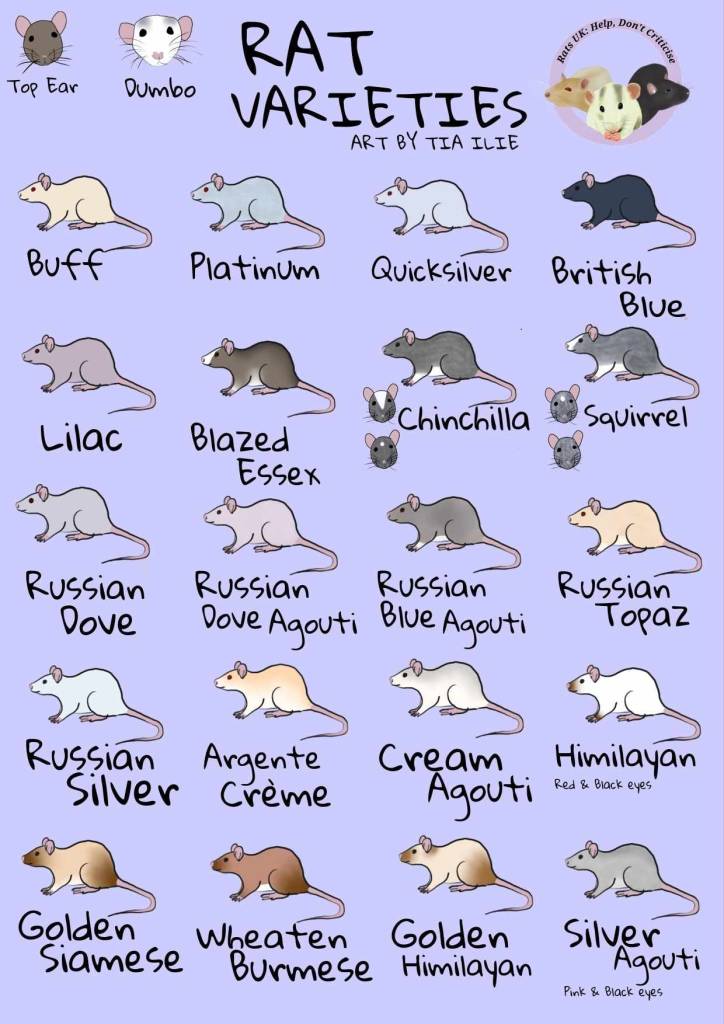
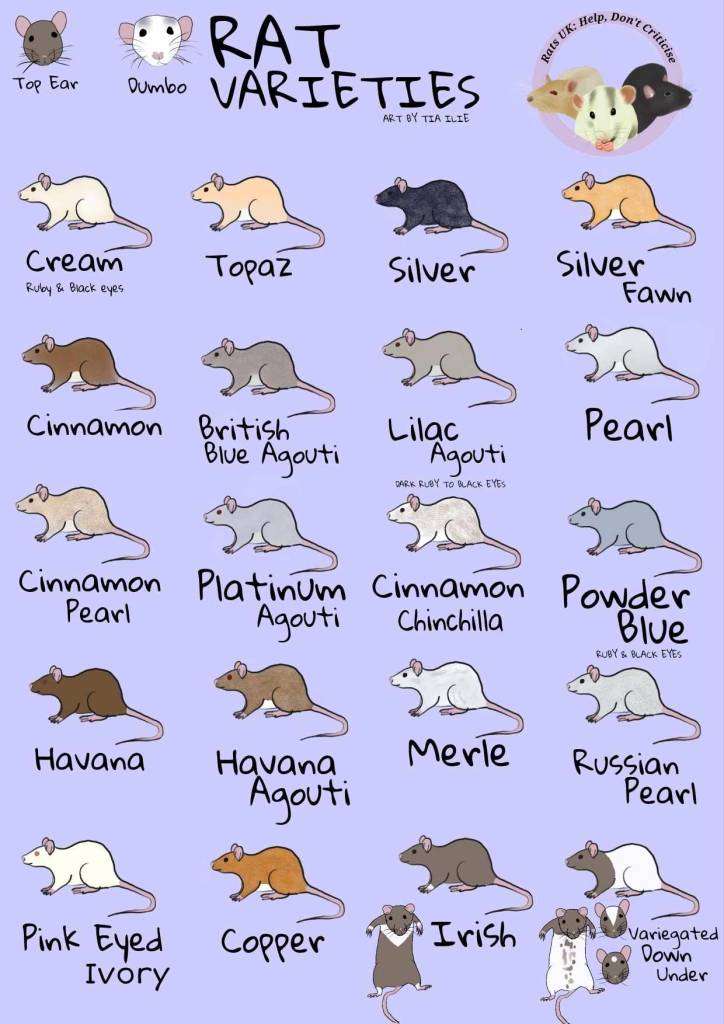
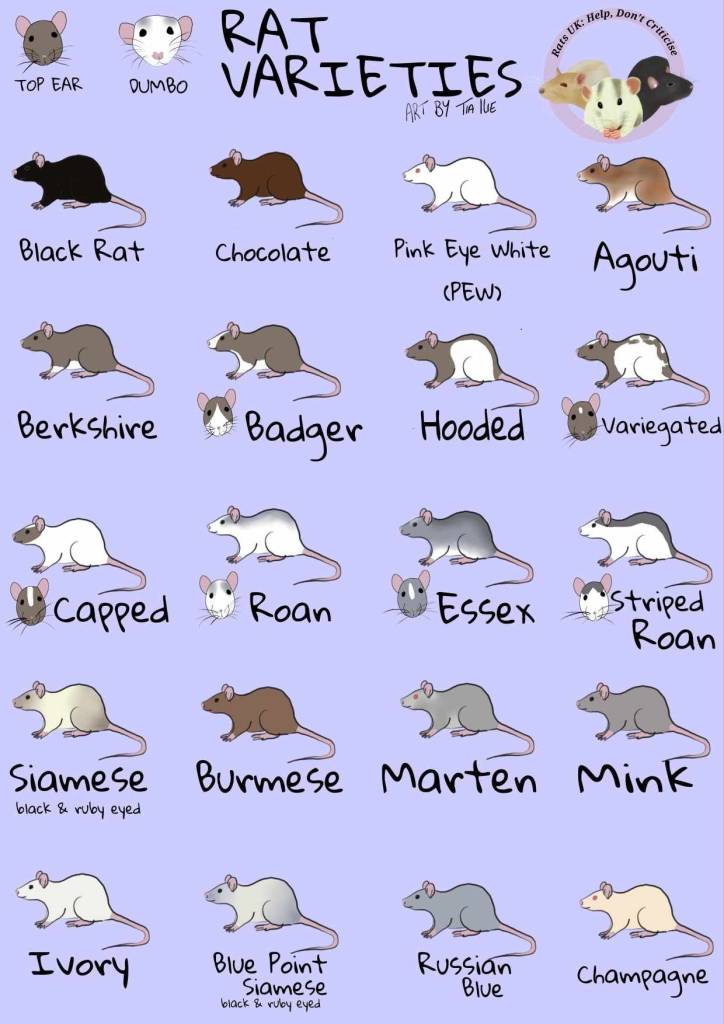
Rat Varieties Art Guide
This really helpful visual chart shows the difference in all the main varieties out there. Not only can you see all the different colours here but it also shows the more detailed varieties such as marked and shaded and exactly what to look for with each one. This chart is a great tool for beginners wanting to learn the differences or even to help people quickly identify a variety they see that they are not sure about. Big thanks to Rats UK: Help, Don’t Criticise for allowing me to share these hepful images.
Self Varieties
Black
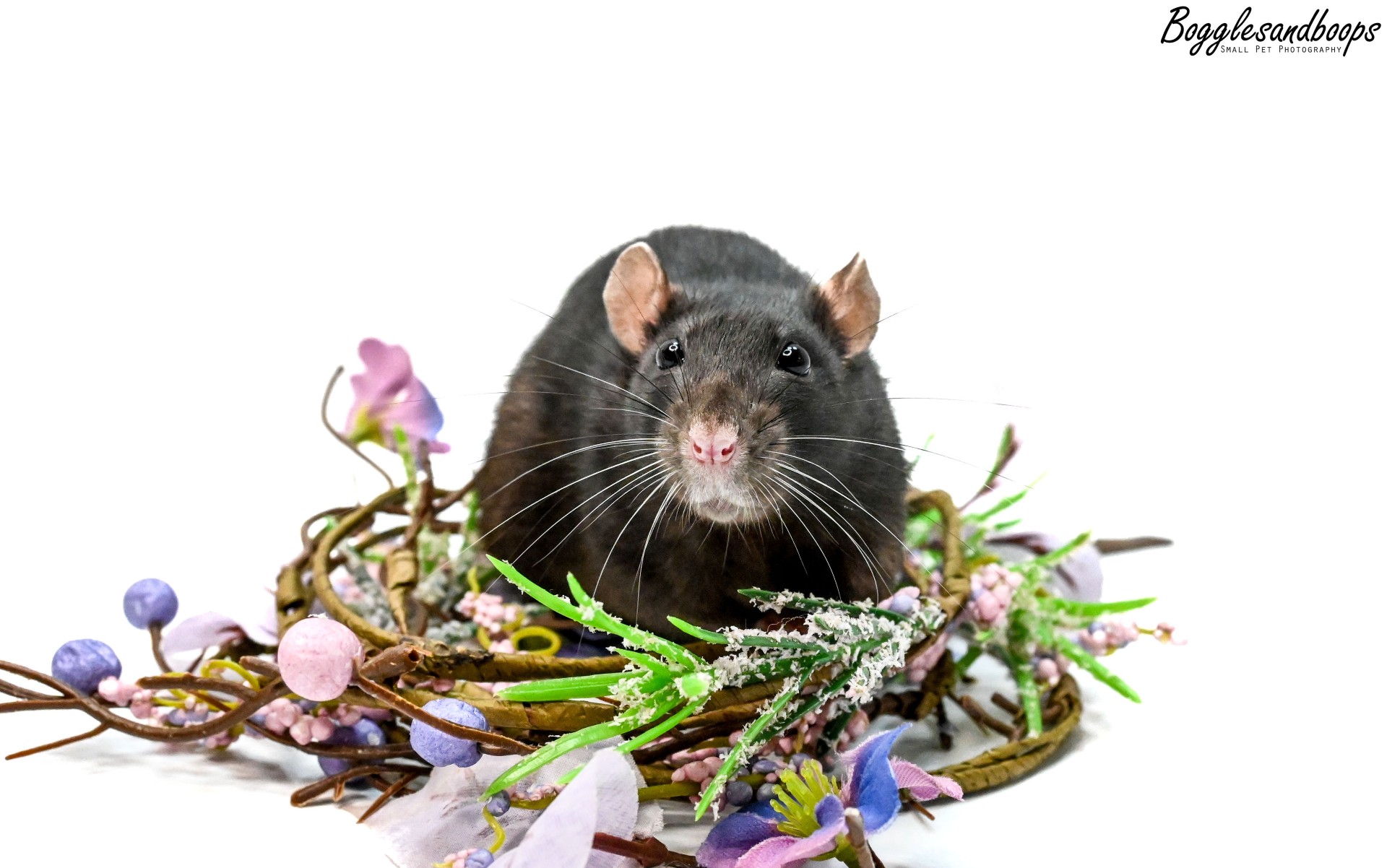
Thanks to Nikkie Woolmer
Eye Colour: Black
Description: To be a deep solid black, devoid of dinginess and white hairs or patches. Base fur to be black. Foot colour to match top.
British Blue

Eye Colour: Black
Description: To be a deep steel blue without any brown colouration. Colour to be even with the belly colour matching the top. The colour of the fur when parted to be blue grey down to the skin. Foot colour to match top.
Buff

Eye Colour: Black, Dark Ruby
Description: To be an even, warm magnolia with no sign of dullness or greyness. Belly colour to match top.
Champagne
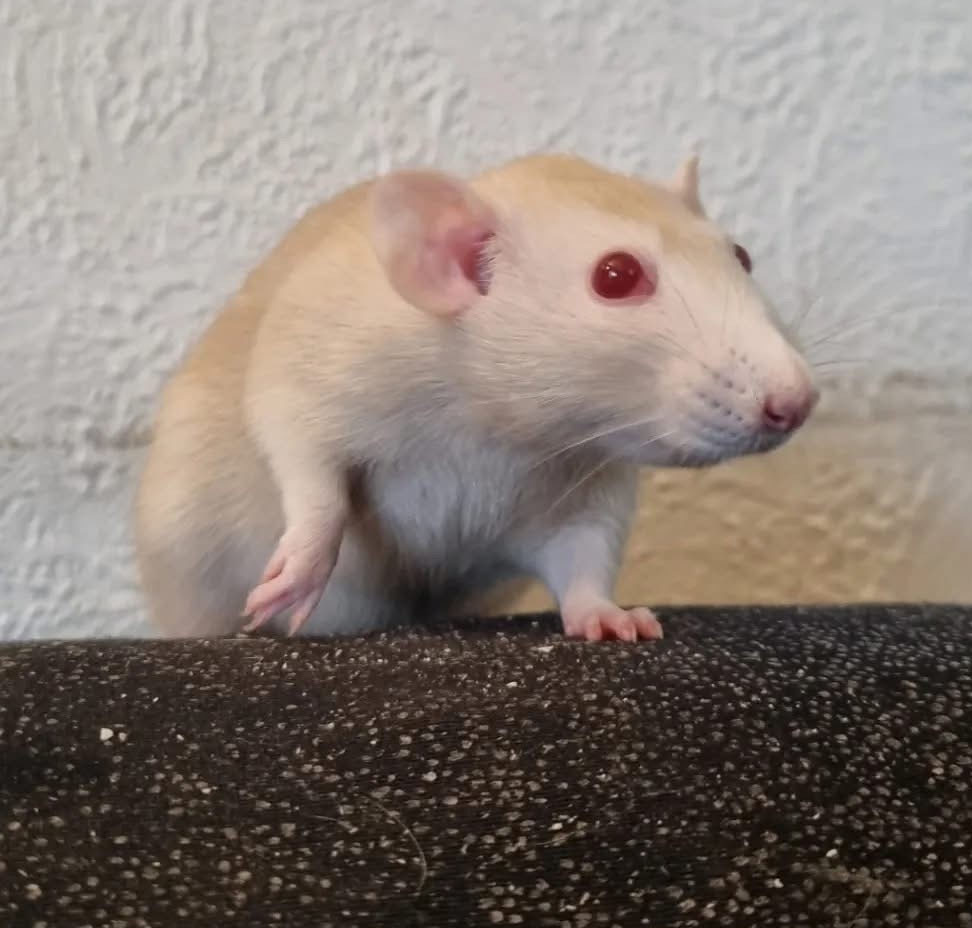
Eye Colour: Red
Description: To resemble champagne silk, with no suggestion of dullness or greyness.
Chocolate

Eye Colour: Black
Description: To be a deep, rich chocolate, as even as possible, devoid of any dinginess and white hairs or patches. Foot colour to match top.
Ivory
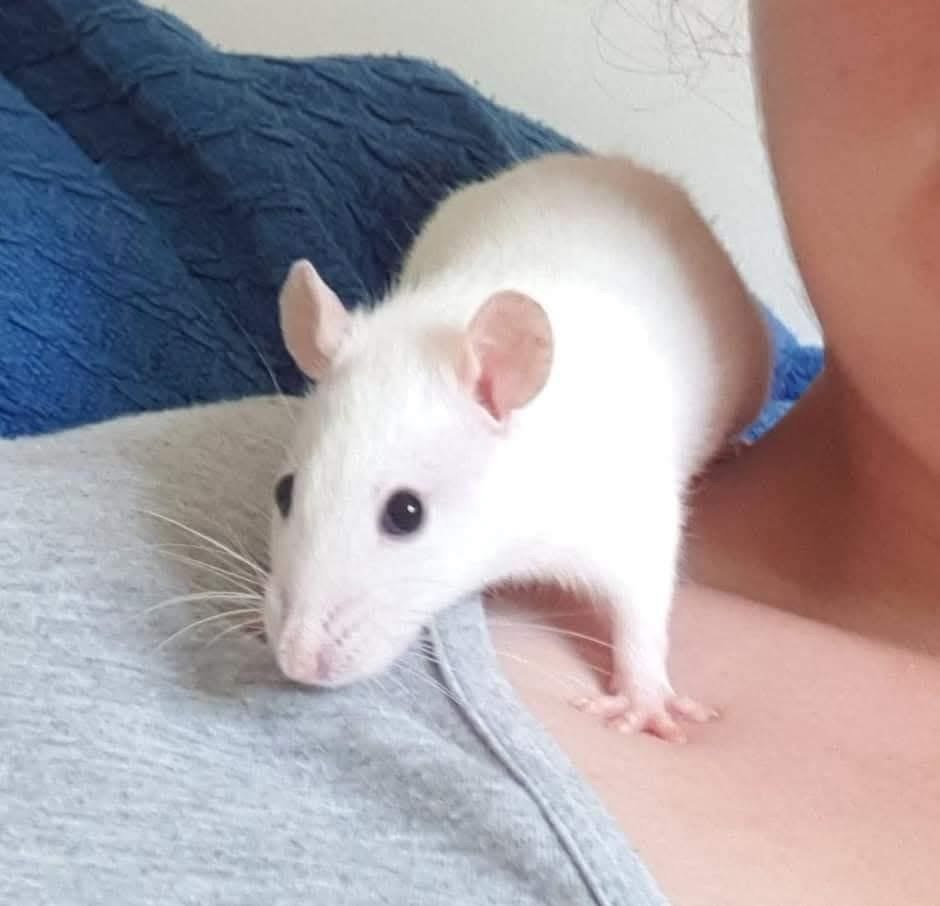
Eye Colour: Black
Description: Body colour to be very pale creamy white all over with no odd coloured hairs or patches. The exception is the skin on the underside of the scrotum which is normally greyish black, rarely flesh coloured. Tail pink. Ears usually covered with pale grey fur, rarely flesh covered.
Lilac
Eye Colour: Black, Very Dark Ruby
Description: A pinky dove grey throughout, from tips of fur to skin, bluish tinge a fault. Foot and belly colour to match top. Ears and tail to be covered with grey hairs.
Mink
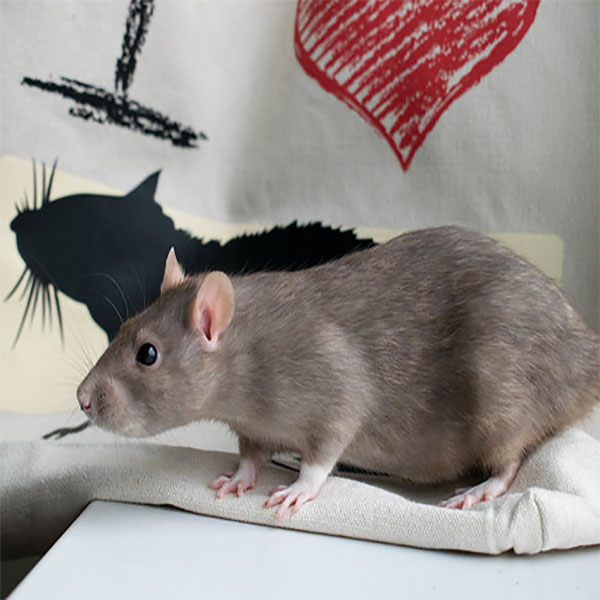
Eye Colour: Black
Description: To be an even mid-grey brown, devoid of dinginess, silvering or patches and having a distinct bluish sheen. Foot colour to match top.
Pink Eyed White
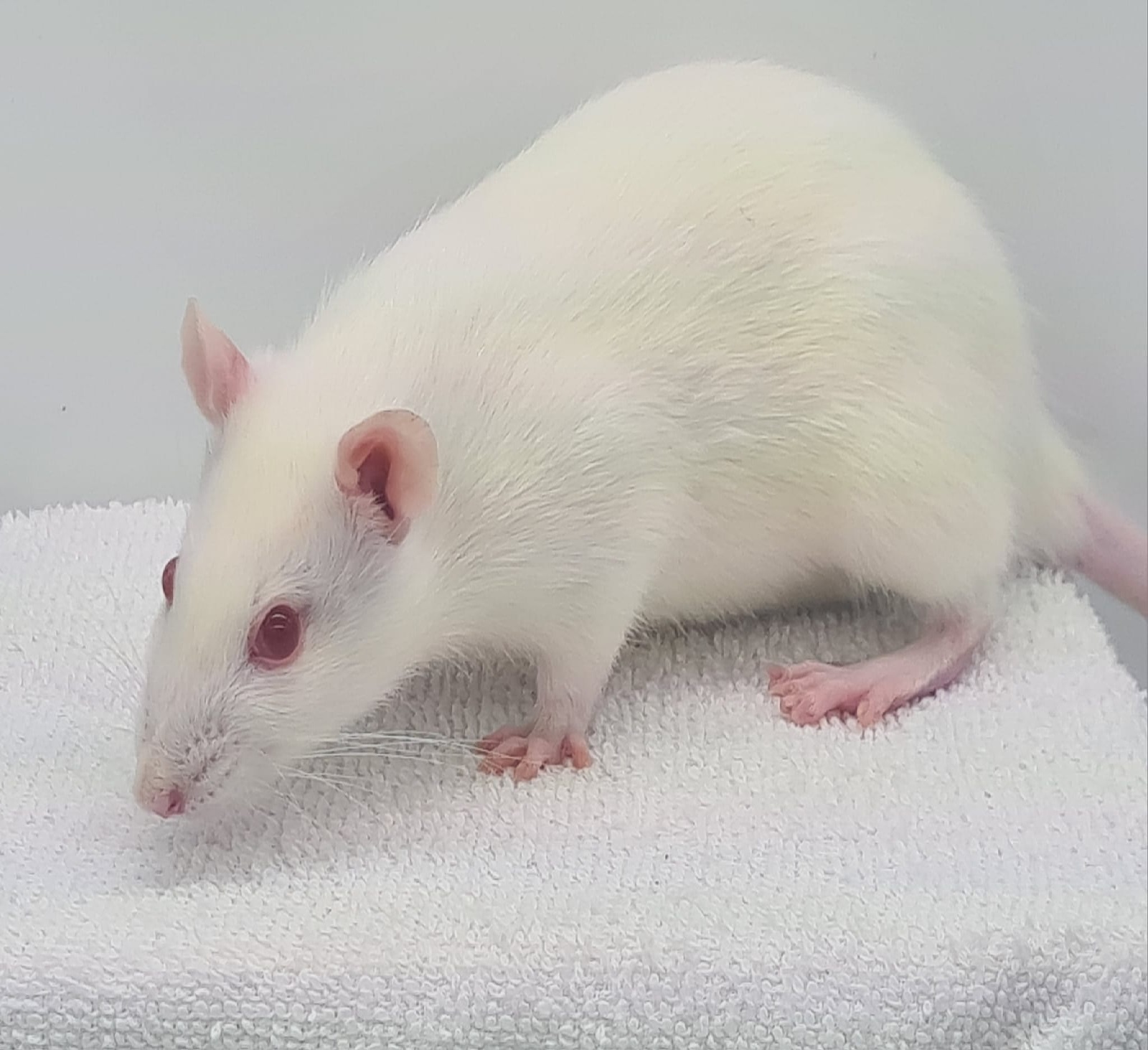
Eye Colour: Pink
Description: To be as white as possible, devoid of creamy tinge or staining.
Platinum

Eye Colour: Red, Ruby
Description: To be an even and bright shade of pale grey with a distinct ice-blue hue, with no suggestion of creamy, brownish or strong blue tones. Belly colour to match top. Feet pale grey.
Quicksilver
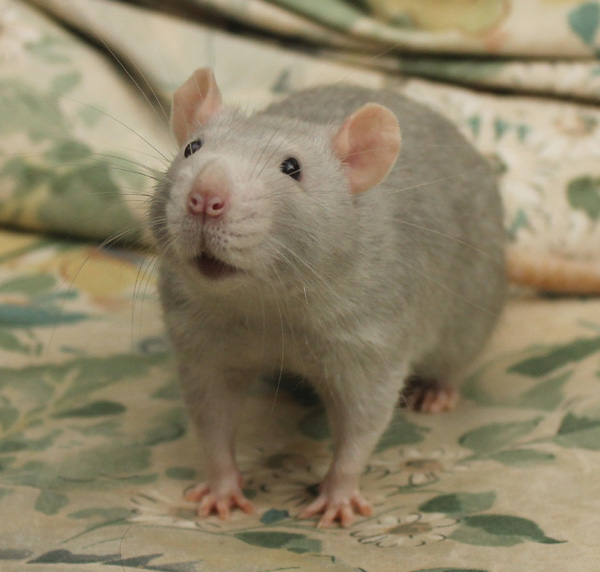
Eye Colour: Ruby (Mid to Dark)
Description: To be an even and bright shade of blue grey with no suggestion of icy, creamy or brownish tones. Should be distinctly different to the icy blue tone of the platinum rat and the pale dove of the powder blue. Undercolour light blue to the skin. Belly colour to match top. Feet grey.
Marked Varieties
Badger
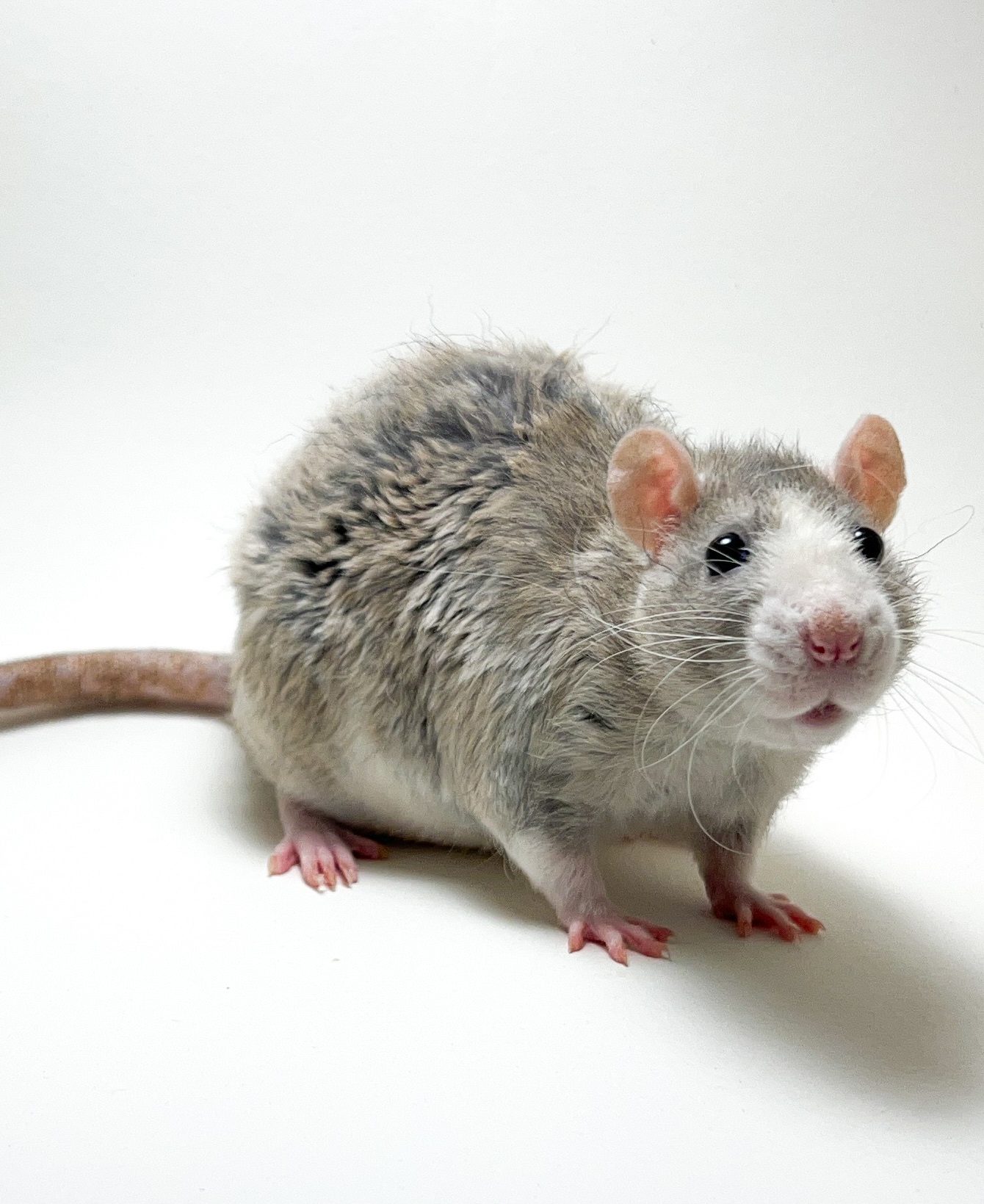
Description: As much of the underside of the rat as possible to be white, including belly, chest, throat and underside of the legs, the white not to extend up the sides of the body. Back feet to be white to the ankle, forelegs to be white to the elbow. Tail to be white up to a third of its. The body colour shall conform to a recognised colour variety. The white area shall be pure and devoid of any colour or staining. The defining feature of this variety is the blaze. This is to be a wedge shaped symmetrical blaze of white starting at the nose and extending up the face to the forehead. The blaze to cover the whisker bed and taper to a fine point midway between the eyes and the ears. Markings not to extend onto the cheeks or the eyes.
Berkshire
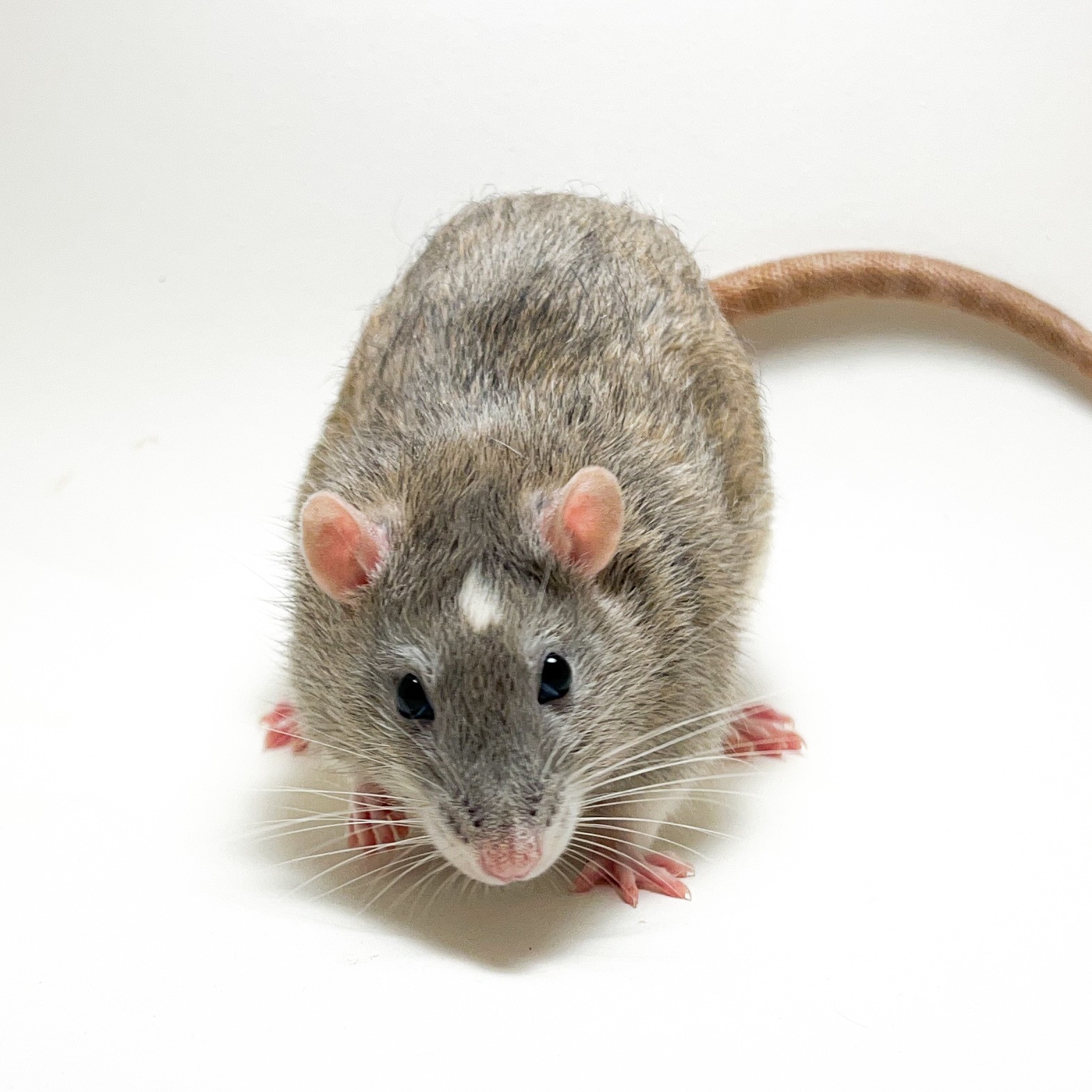
Blaise Rattery
Description: To be symmetrically marked, with as much white on the chest and belly as possible. The white shall not extend up the sides of the body; the edges shall be clear cut and devoid of brindling. Back feet to be white to the ankle, forelegs to be white to half the leg. Tail to be white up to a third of its length. The body colour shall conform to the recognised colour variety. The white area shall be pure and devoid of any colour or staining. A white spot on the forehead is desirable. Suspenders to be allowed providing they are symmetrical.
Capped
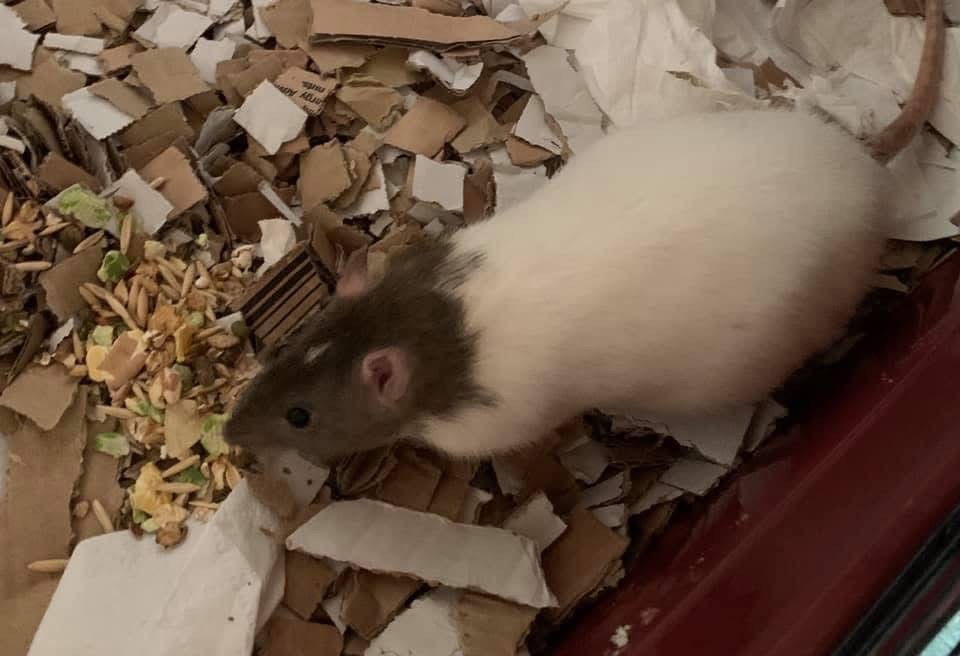
Description: The colour not to extend past the ears and to follow the line of the lower jaw bone, it should not extend under the chin. A white blaze or spot on the face, and the rest of the body white, the cap to be complete between the ears and not notched, although a minor notch should not be penalised over harshly. Colour to conform to a recognised colour variety. White area should be pure and devoid of yellowish tinge and staining.
Chinchilla
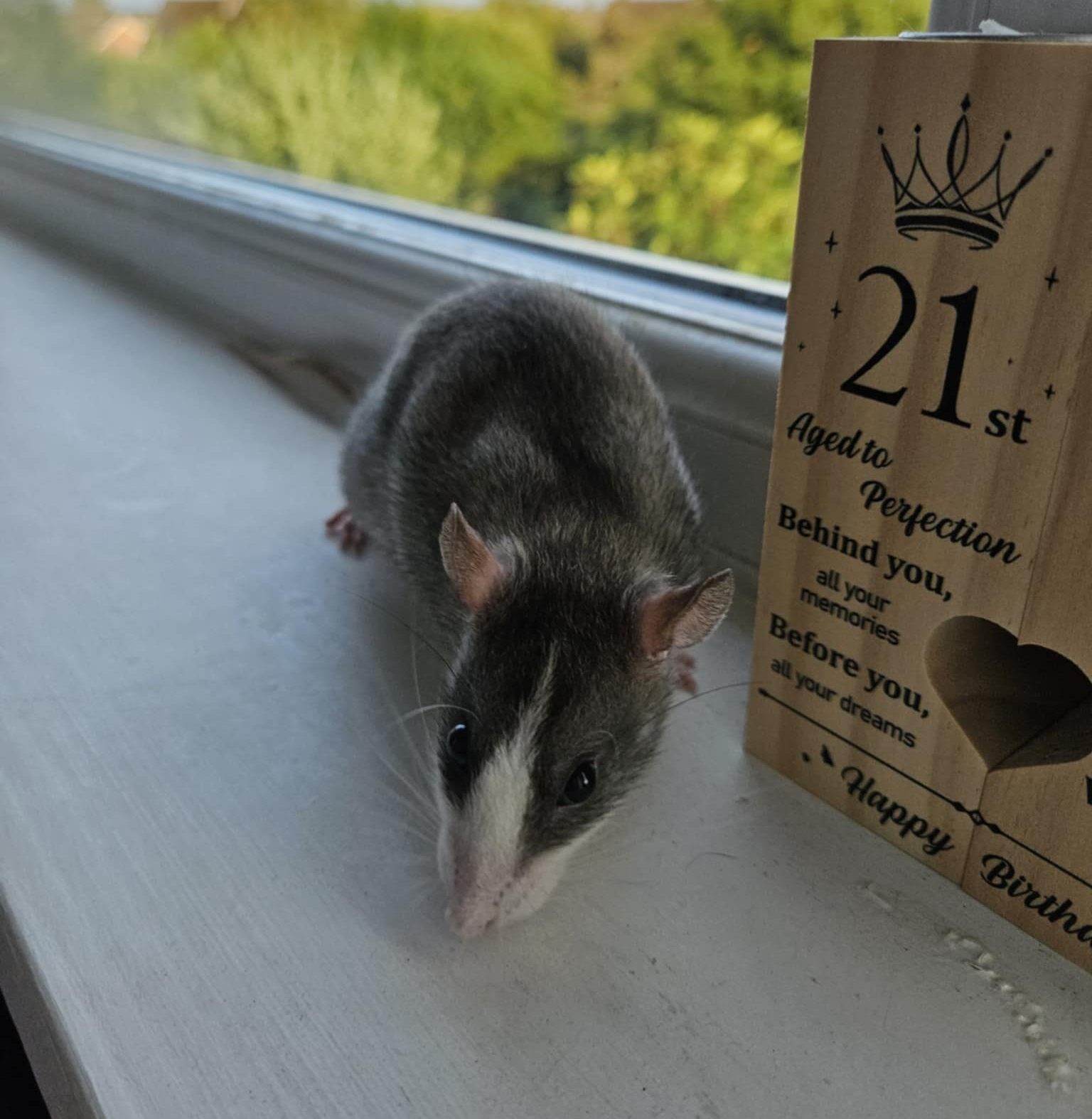
Description: Top colour grey, caused by the intermingling of black guard hairs over a pearl white ground. The whole to give a sparkling appearance. Undercolour dark slate blue, intermediate portion pearl, tips black. The entire underside to be white with a clear demarcation between top colour and belly. Head markings may be present or absent. Where present either a blaze or a spot to be acceptable. Head spots to be centrally placed on the rat’s forehead and no bigger than the rat’s eye. Blaze to be a wedge shaped symmetrical blaze of white starting at the nose and extending up the face to the forehead. The blaze to cover the whisker bed and to taper to a fine point midway between the eyes and the ears. Markings not to extend onto the cheeks or the eyes. Forelegs to be white to half their length, back feet white to the ankle (hock or tarsal bone). Tails to be pied.
Essex
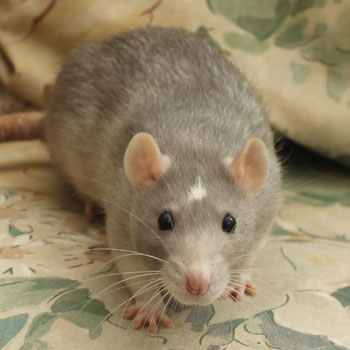
Description: To be recognised in any standard colour, remembering that the effect of the gene responsible is to lighten the top colour. The darkest area is along the spine, becoming less intense down the sides of the animal. The gradual fading of colour continues onto the belly which is off white, with no spotting of darker colour. When viewed from above, the fading effect should be symmetrical, having no clear demarcation. The fading effect also to be seen on the legs so that the feet are also off white. There should be no obvious patches of contrasting colour. Pied tails not to be penalised. A head spot is essential; this must be well defined, centrally placed on the forehead and symmetrical.
Hooded

Description: The hood shall be unbroken, covering the head, throat, chest and shoulders, except in the case of light coloured hooded varieties where a pale coloured throat and chest is permissible. The hood shall be continuous with the saddle (spinal stripe) which should extend down the spine to the tail, with as much of the tail as possible being coloured. The saddle width shall be 1-3cm, dependent on the size of the rat – it must be as even as possible and unbroken. The edges of the hood and saddle shall be clear cut and devoid of brindling. The white area shall be pure and devoid of any yellowish tinge or staining.
Irish
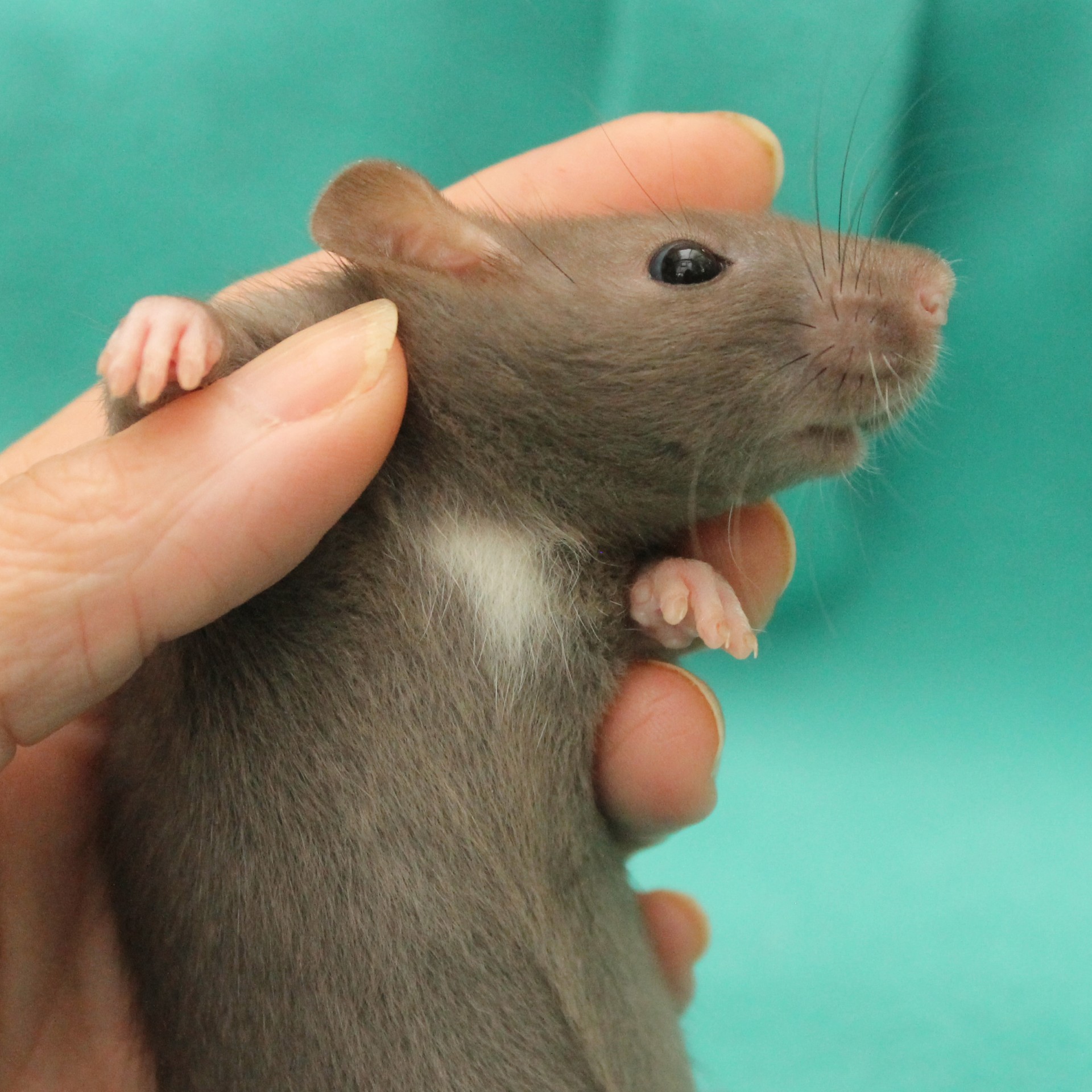
Description: White equilateral triangle on chest with front feet white and back feet white to half their length. The triangle to be of good size, clear cut and devoid of brindling, not to extend in a streak down the belly but to occupy all the space between the front legs. The body colour shall conform to a recognised colour variety.
Roan
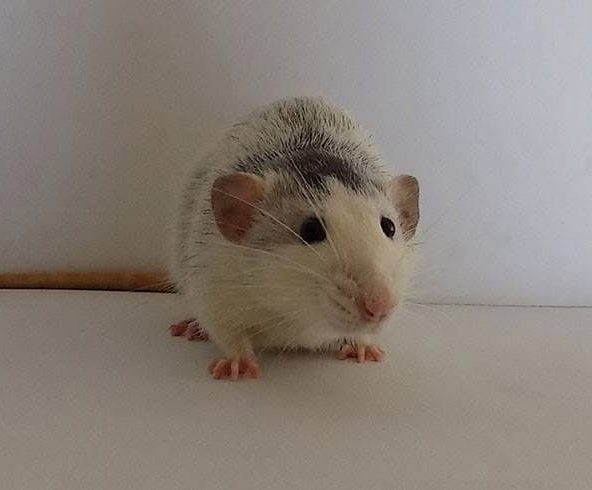
Description: A strikingly marked bi-colour variety, with roan colouration, symmetry and contrast being important impressions. Clearly distinct from existing marked varieties. Roans are born solid coloured, but from the age of about 4-6 weeks they start to exhibit roaning. This is a steady increase in the number of white hairs intermingled with the solid colour, starting with the face, sides and tail root on the juvenile, then working its way up to the nape of the neck with the moult. With each moult the rat becomes progressively lighter, the final effect not really complete until the rat is well into adulthood. The roan effect is most pronounced on the face, around the rump and the sides. Pattern: The Roan shall have as symmetrical markings as possible. The underside should be completely white.
Head: A wide inverted V shaped blaze, including the whisker bed, coming as close to the eyes as possible without touching the eyes, and coming to a point between the ears. Jaw line and underside of the head must be white.
Body: From the head, the colour runs back covering the ears and continues along the body extending down the sides. Belly to be white.
Squirrel
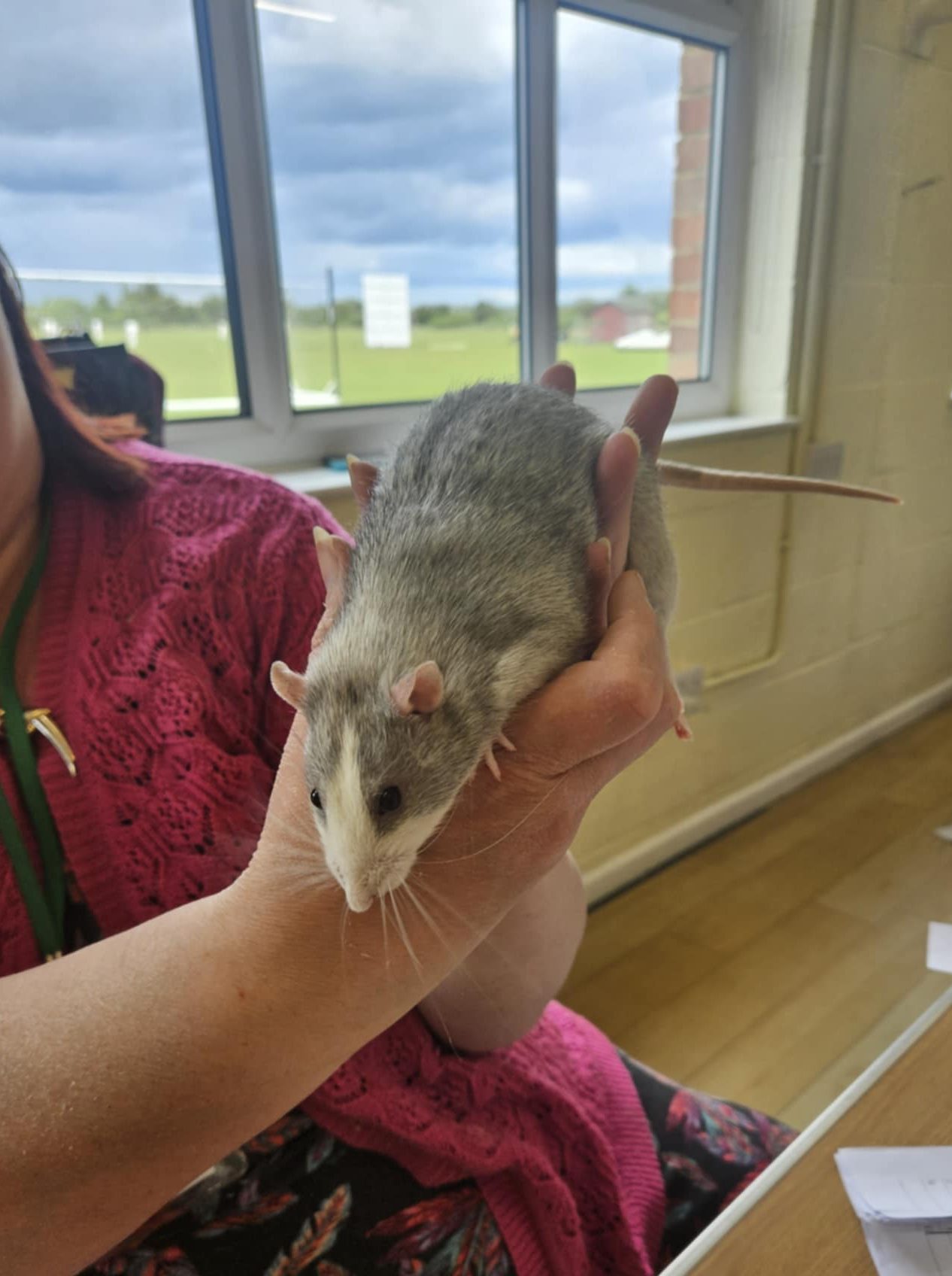
Description: Top colour silver blue, caused by the intermingling of blue guard hairs over a pearl white ground. Undercolour slate blue, intermediate portion pearl, tips blue. Underside to be white with a clear demarcation between top colour and belly. Head markings may be present or absent. Where present either a blaze or a head spot to be acceptable. Blazes to conform to the standard for a blaze, head spots to be centrally placed and not to be larger than the rat’s eye. Forelegs to be white to half their length, back feet white to ankle (hock). Tails are pied.
Striped Roan

Description: A strikingly marked bi-colour variety with roan colouration, symmetry and contrast being important impressions. Clearly distinct from existing marked varieties. The striped Roan shall have as symmetrical markings as possible. The chest, belly, sides and all the legs to be completely white. A wide inverted V shaped blaze on head including the whisker bed, coming as close to the eyes as possible without touching the eyes, and coming to a point between the ears. Jaw line and underside of the head must be white. From the head, the colour runs back covering the ears and continues along the body with no suggestion of a hood, in an unbroken horizontal stripe, symmetrical and as straight as possible. The stripe to be approximately 5cm wide. Demarcation shall be as clear cut and even as possible.
Variegated
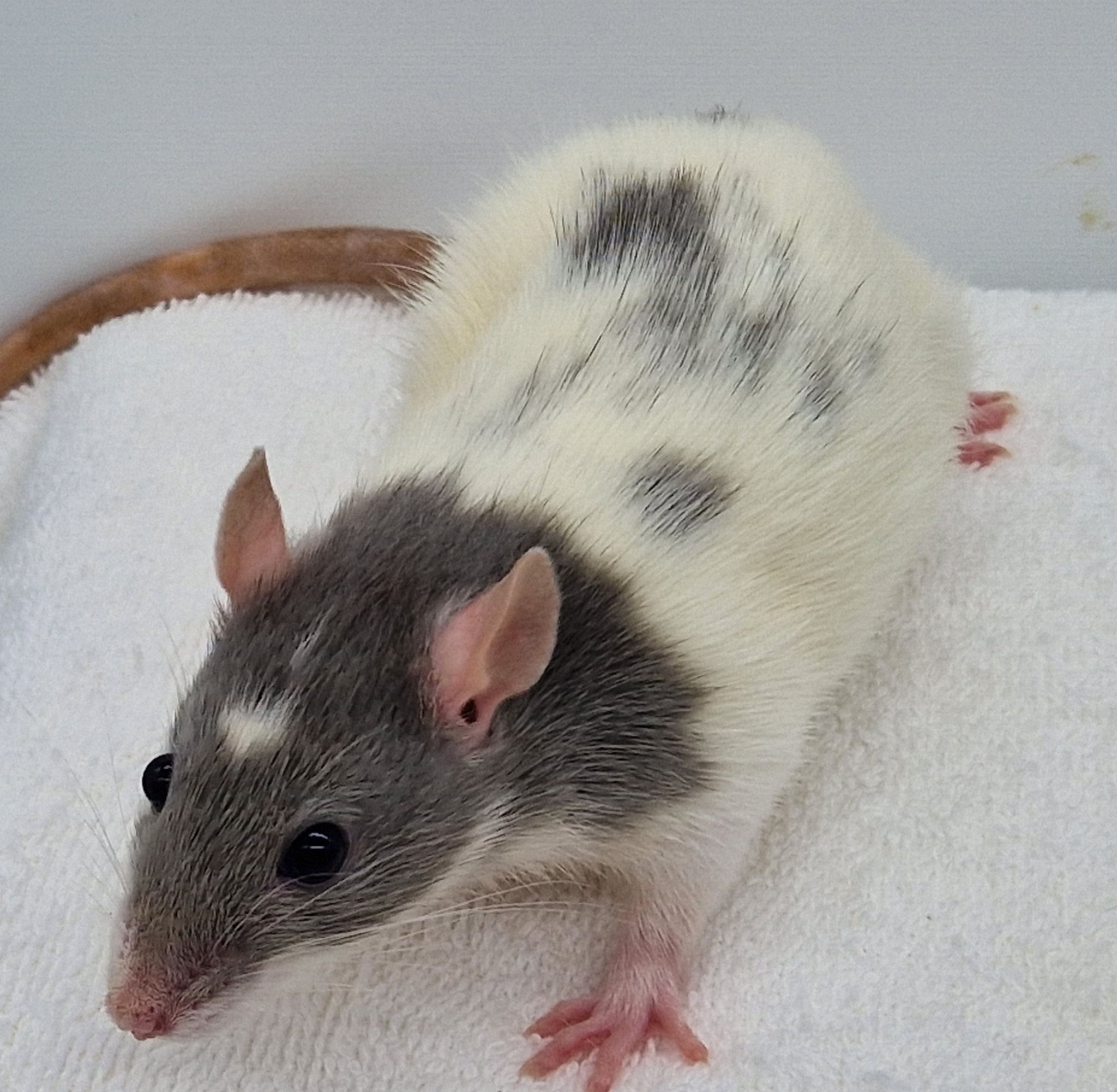
Description: The head and shoulders to be of a distinct colour with a white spot or blaze on the forehead. Where a spot is present this should be centrally placed on the forehead, round or oval in shape and no bigger than the rat’s eye. Blazes are a wedge shaped symmetrical blaze of white starting at the nose and extending up the face to the forehead. The blaze to cover the whisker bed and taper to a fine point midway between the eyes and the ears. Markings not to extend onto the cheeks or the eyes. The rest of the upper portion (back, sides and tail) of the rat’s body to be white, evenly marked with patches and flecks of distinct colour, the colour to conform to a recognised colour variety. Underside (including belly, chest and throat) to be white, devoid of creamy tinge or staining.
Shaded Varieties
Argente Creme
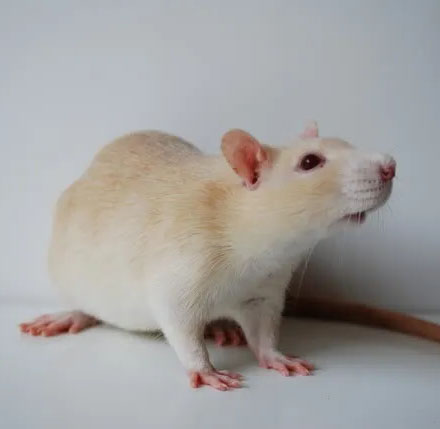
Eye Colour: Red
Description: The back of the rat to be a delicate shade of apricot, ticked with silver and shading to cream on the sides and face. Head markings not to be present. Undercoat white, belly white.
Blue Point Siamese
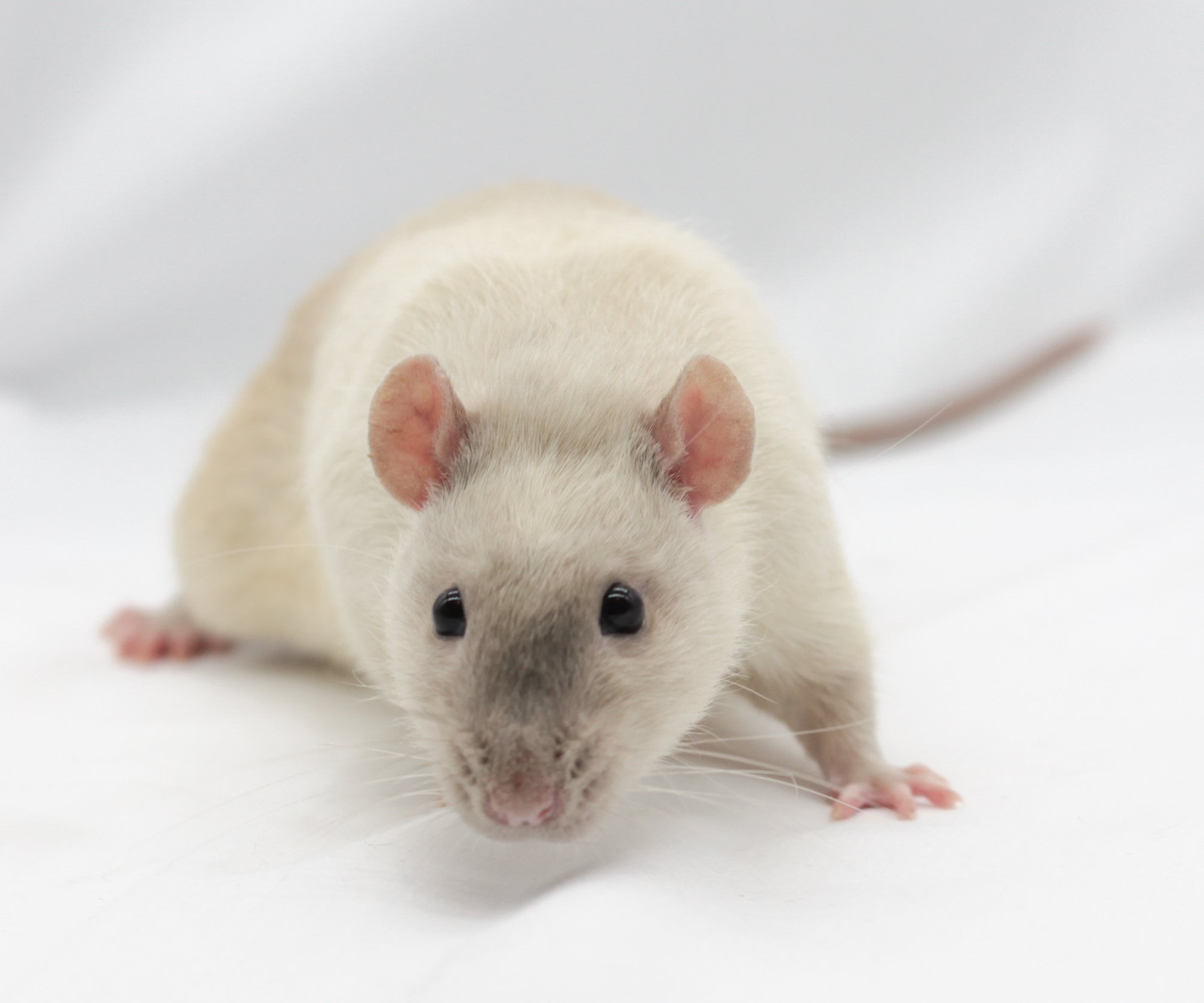
Eye Colour: Black or Ruby
Description: Body colour to be silver beige that shades into deep blue colour at the back and hind quarters, down towards the rump and on the face towards the nose. The shading shall be even and darkest at the nose and the base of the tail. The rat has to be without streaks, odd coloured or white hairs or patches. Belly colour to be light silver beige. Ears, tail, feet to be as blue as possible.
Burmese

Eye Colour: Black
Description: To be an even, rich mid-brown, devoid of dinginess, silvering, or patches, with darker points of the same shade. There is to be a strong contrast between the points and body colour.
Cream Agouti

Eye Colour: Black
Description: To be a mix of mid grey ticking over a mid cream ground, with no suggestion of blue or brown tones. Ticking to be darkest along the back and fade down the sides to the pale cream belly. Fur on the face to be lighter on the whisker bed and around the eyes.
Golden Himalayan
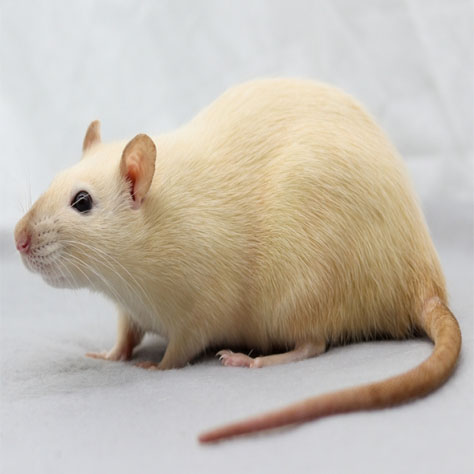
Eye Colour: Black
Description: Body colour to be a pale golden cream with points a medium sepia. Foot colour is usually a shade lighter than nose, tail and ear points due to the agouti base, but should still be evident.
Golden Siamese
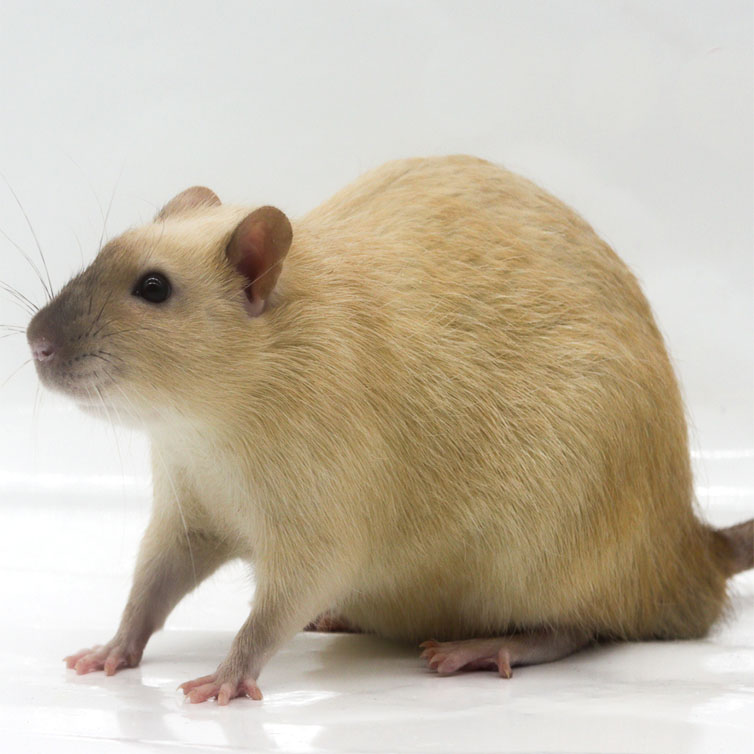
Eye Colour: Black
Description: Body colour to be a rich golden cream, points (face, feet, tail and tail root), to be a rich dark sepia, gradually and evenly shading into the body. There should be no sudden demarcation of shading nor large areas of the body devoid of the shading effect. Belly colour pale cream
Himalayan
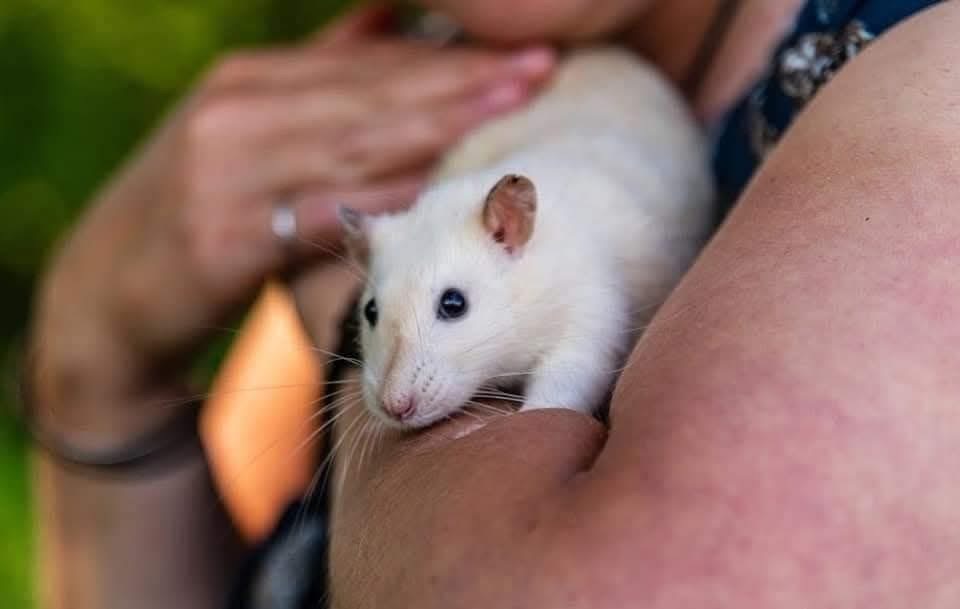
Eye Colour: Black or Red
Description: Body colour to be white, free from stains and even throughout, with points a rich dark sepia.
Marten
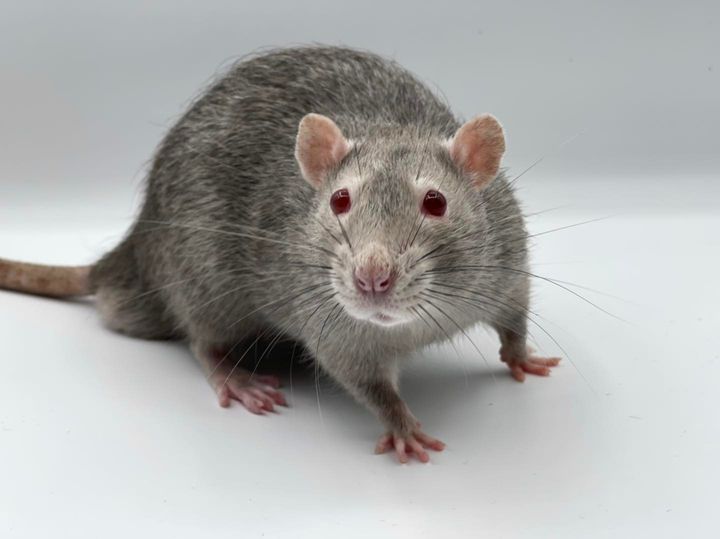
Eye Colour: Black or Pink
Description: Body Colour to be similar in shade to an HB lead pencil, some fading to be expected in an adult. Some light heathering to be expected. Fur on the face to be lighter on the whisker bed, over the eyes and behind the ears. Belly colour a slightly paler shade of grey than the top. Foot colour to match top.
Siamese

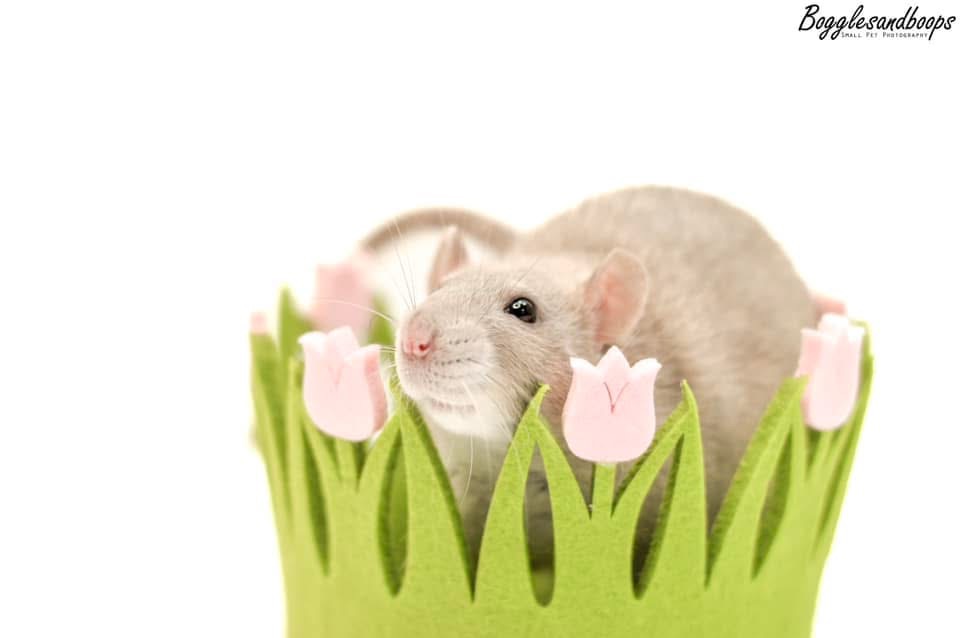
Thanks to Bogglesandboops Small Pet Photography
Eye Colour: Black or Ruby
Description: Body colour to medium beige, gradually and evenly shaded over saddle and hindquarters towards the rump, being darkest at the base of the tail. There should be no white or very pale areas anywhere on the body, feet or tail. Tail colour to extend down the length of the tail. Belly to be light beige. Points to be rich dark sepia and shade evenly into the body colour.
Silver Agouti
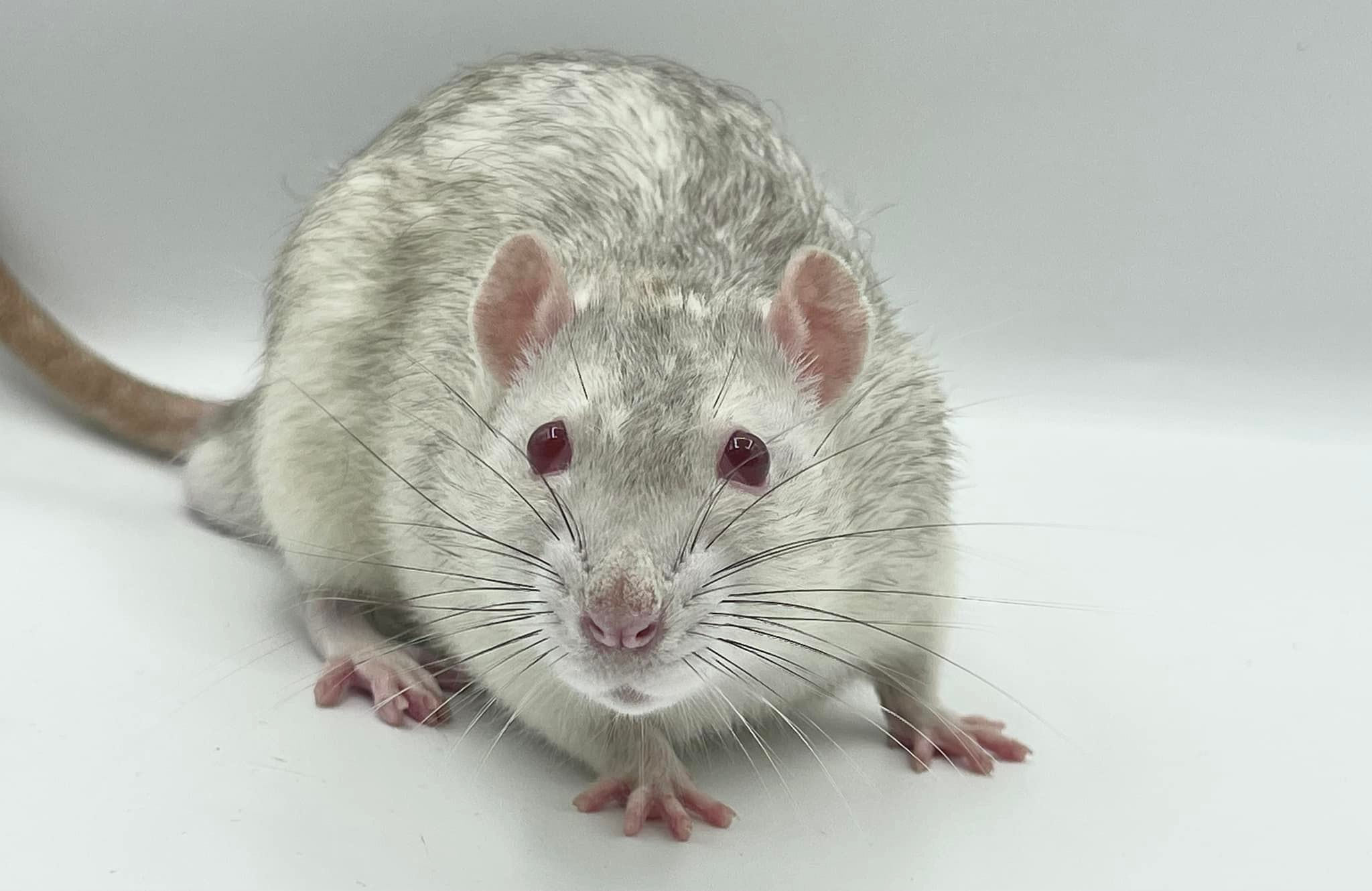
Eye Colour: Black or Pink
Description: To be a mix of mid grey ticking over a pale ivory ground, with no suggestion of blue or brown tones. Ticking to be darkest along the back and to fade down the sides to the pale ivory belly. Fur on the face to be lighter on the whisker bed and around the eyes.
Wheaten Burmese
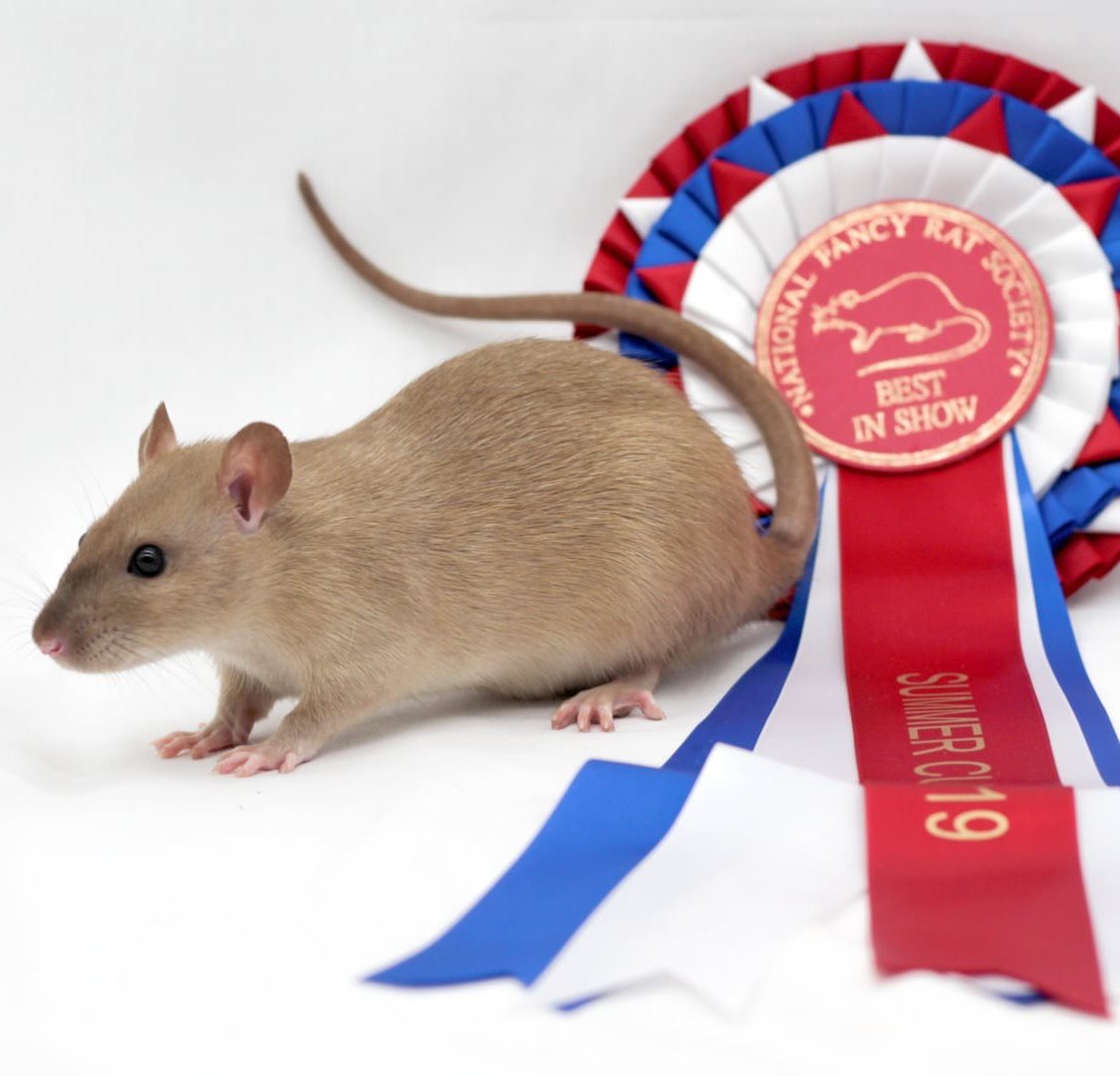
Eye Colour: Black
Description: To be a mid-sand colour. Points on the nose and tail root to be distinctly darker than the body colour. Foot points usually a shade lighter than those on the tail root or nose but should still be evident. Base coat to be light brown. Belly colour to be pale silvery grey.
Russian Varieties
Russian Blue
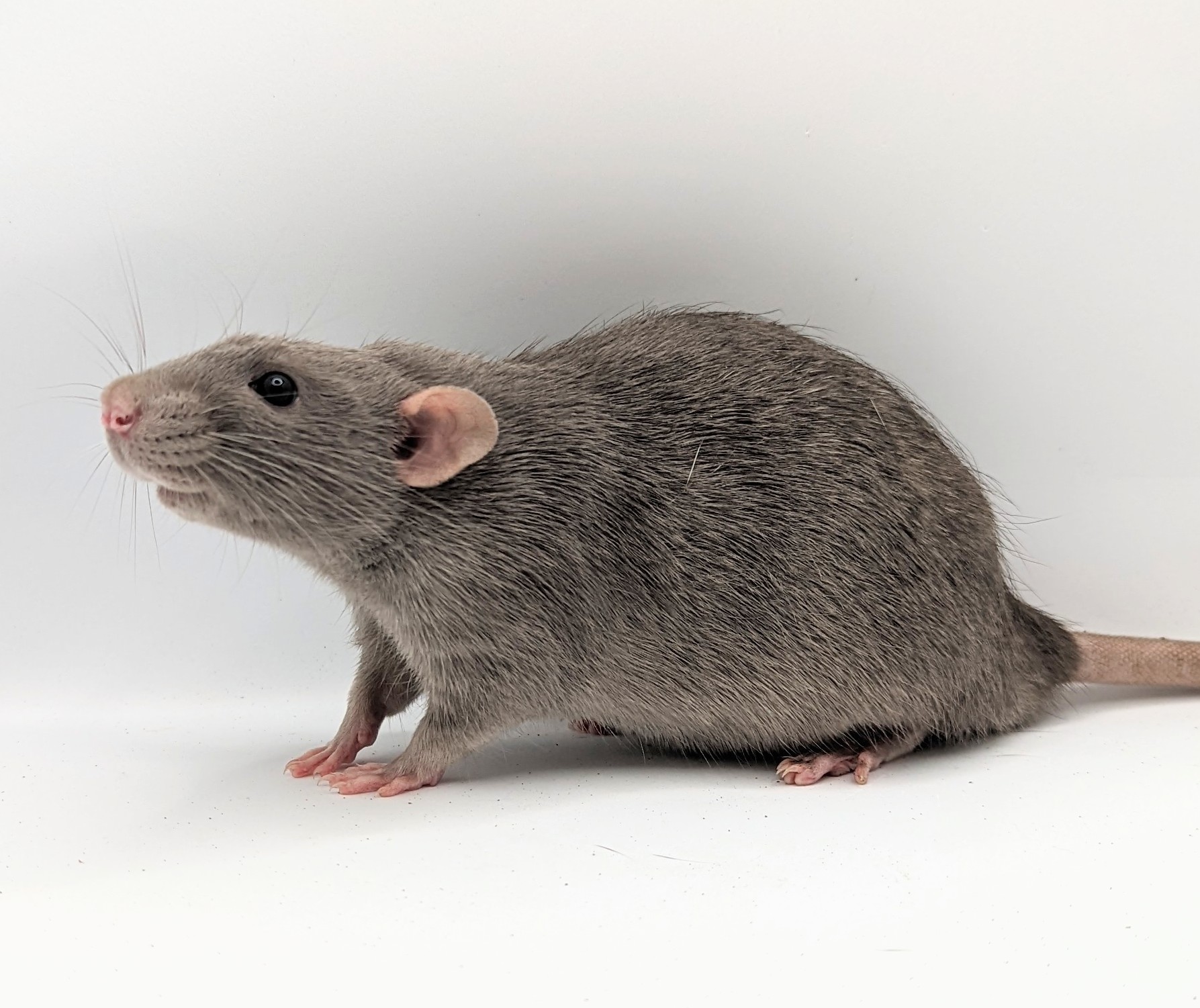
Eye Colour: Black
Description: Colour to be similar to blue cats and dogs. A soft medium grey-blue with a metallic sheen. Faint, light speckling or a subtle ticked effect (heathering) is usual for this variety and is not a fault. Colour to be even, belly colour to match top. Undercolour dark blue down to skin. Coat to be short and thick- a long coat or a coat similar to that on other varieties (excluding rex) to be a serious fault
Russian Blue Agouti

Eye Colour: Black
Description: A blend of dark blue ticking over a fawn ground. Heathering of the blue ticking is normal for this variety and is not a fault. Undercolour to be dark blue down to the skin. Foot colour to be silvery grey. Belly colour silver. A brown tinge to the ticking to be considered a fault. Coat to be short and thick- a long coat or a coat similar to that on other varieties (excluding rex) to be a serious fault.
Russian Buff
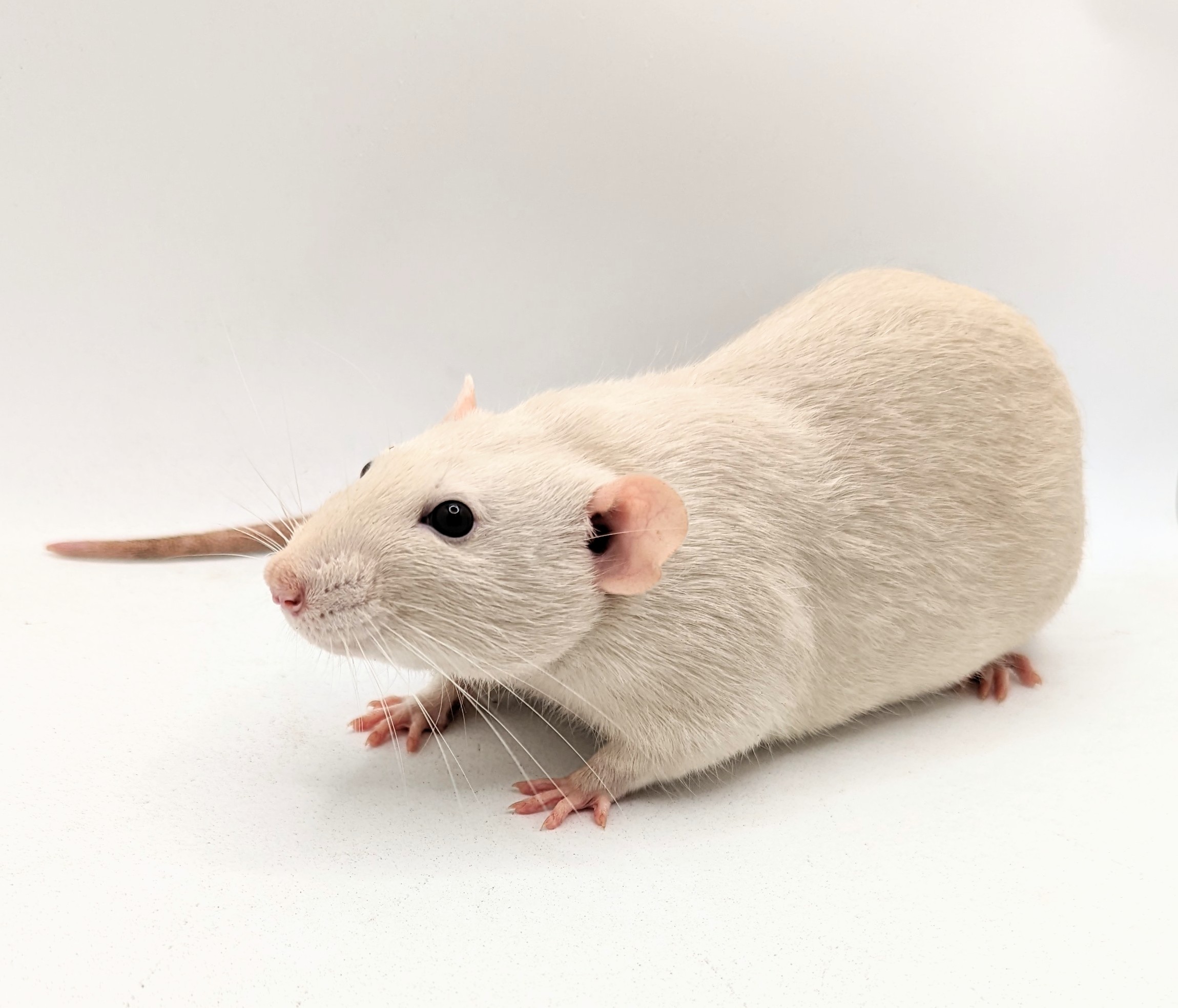
Eye Colour: Black, Dark Ruby
Description: To be a pale greyish beige without being sooty. Faint light speckling or a subtle ticked effect (heathering) is usual for this variety and is not a fault. Colour to be level throughout. Not to be confused with standard Buff or Platinum. Belly colour to match top, undercolour light greyish beige to the skin. Coat to be short and thick – a long coat or a coat similar to that on other varieties (excluding rex) to be a serious fault.
Russian Dove
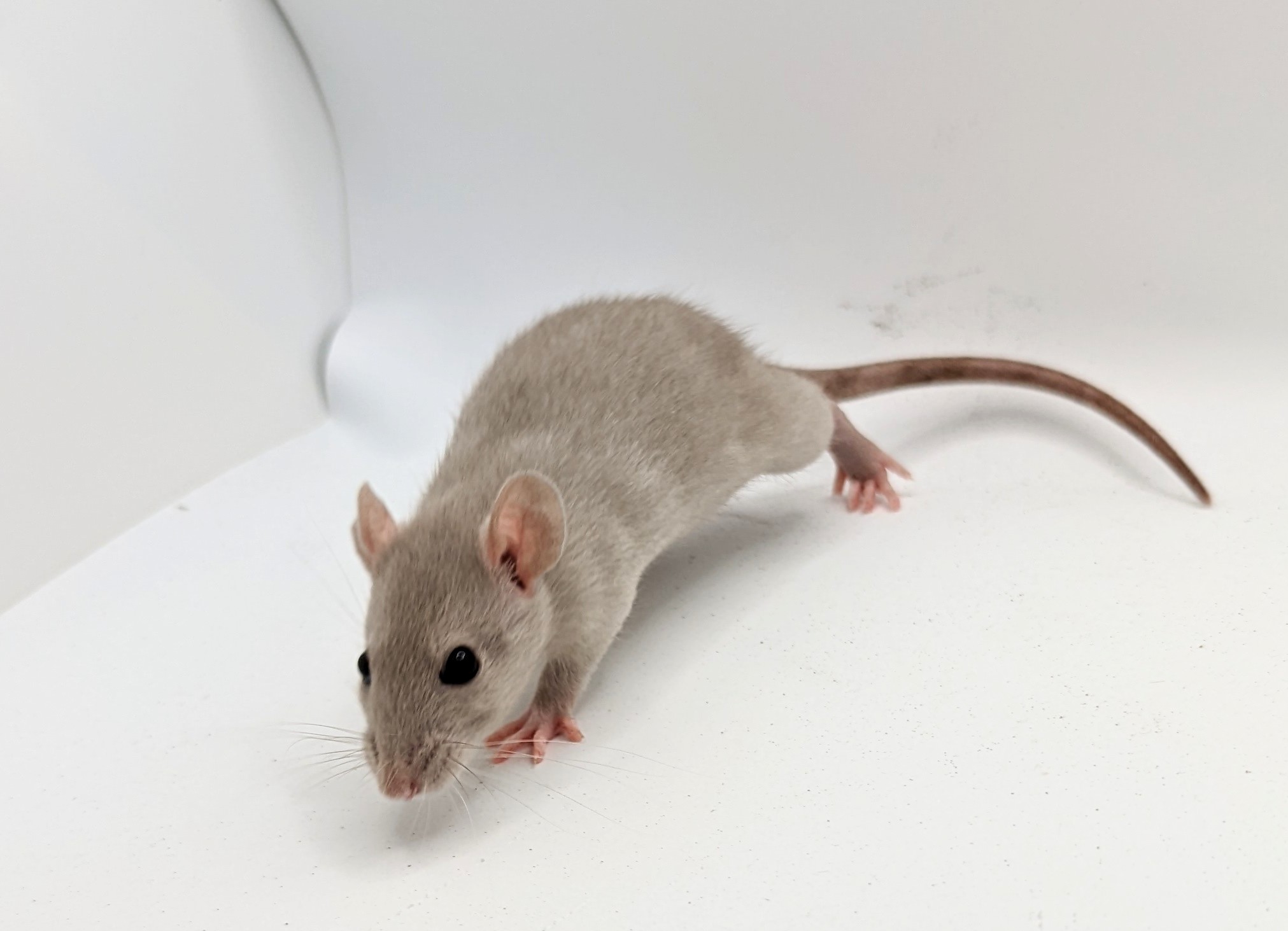
Eye Colour: Black, Dark Ruby
Description: To be a warm creamy grey. Faint light speckling or a subtle ticked effect (heathering) is usual for this variety and is not a fault. Colour to be level throughout. Not to be confused with platinum or lilac. Belly colour to match top, undercolour pale grey to the skin. Coat to be short and thick- a long coat or a coat similar to that on other varieties (excluding rex) to be a serious fault.
Russian Dove Agouti
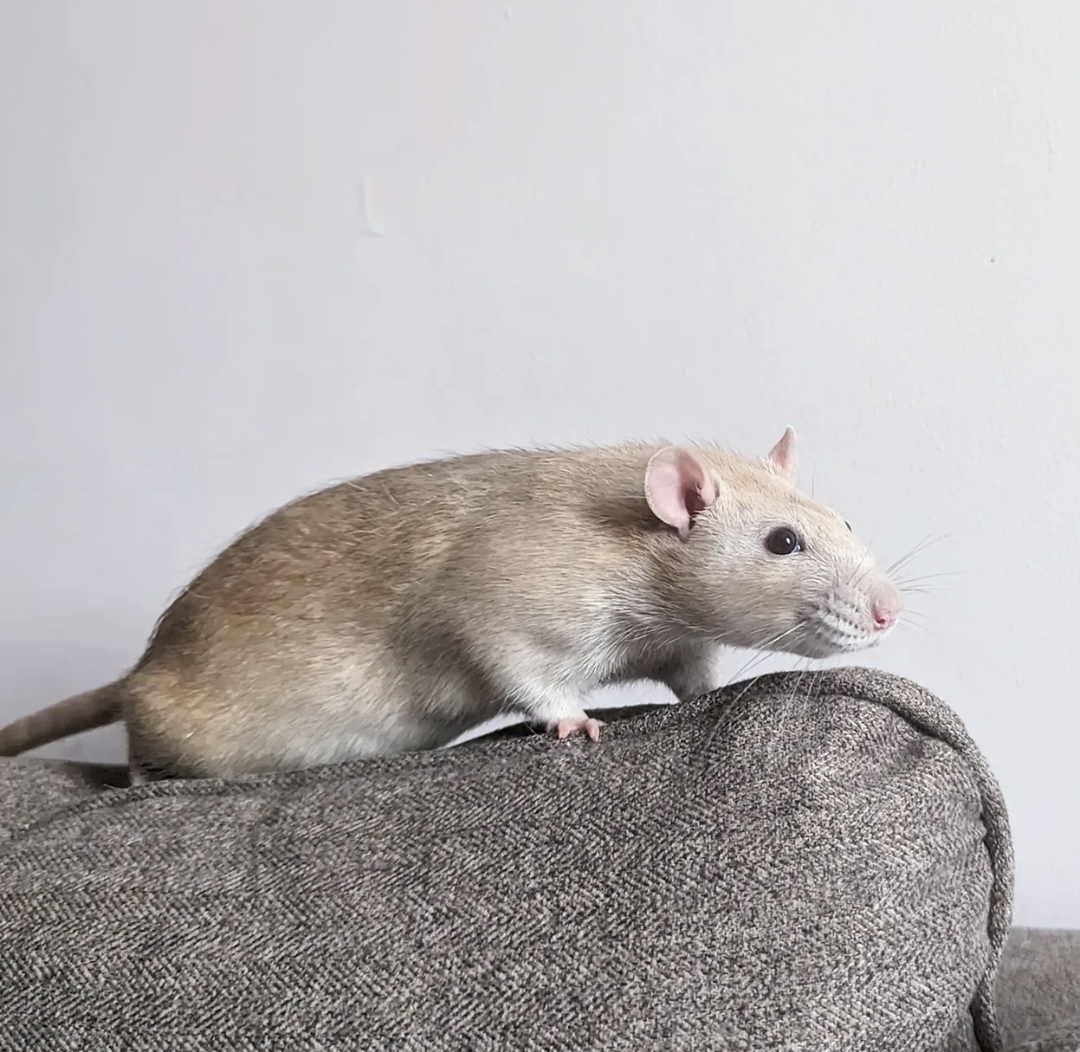
Eye Colour: Black
Description: A blend of warm pinky grey ticking over a light fawn ground. Heathering of the ticking is normal for this variety and not a fault, Undercolour grey to the skin, foot colour to be grey, belly colour light silver.
Russian Topaz
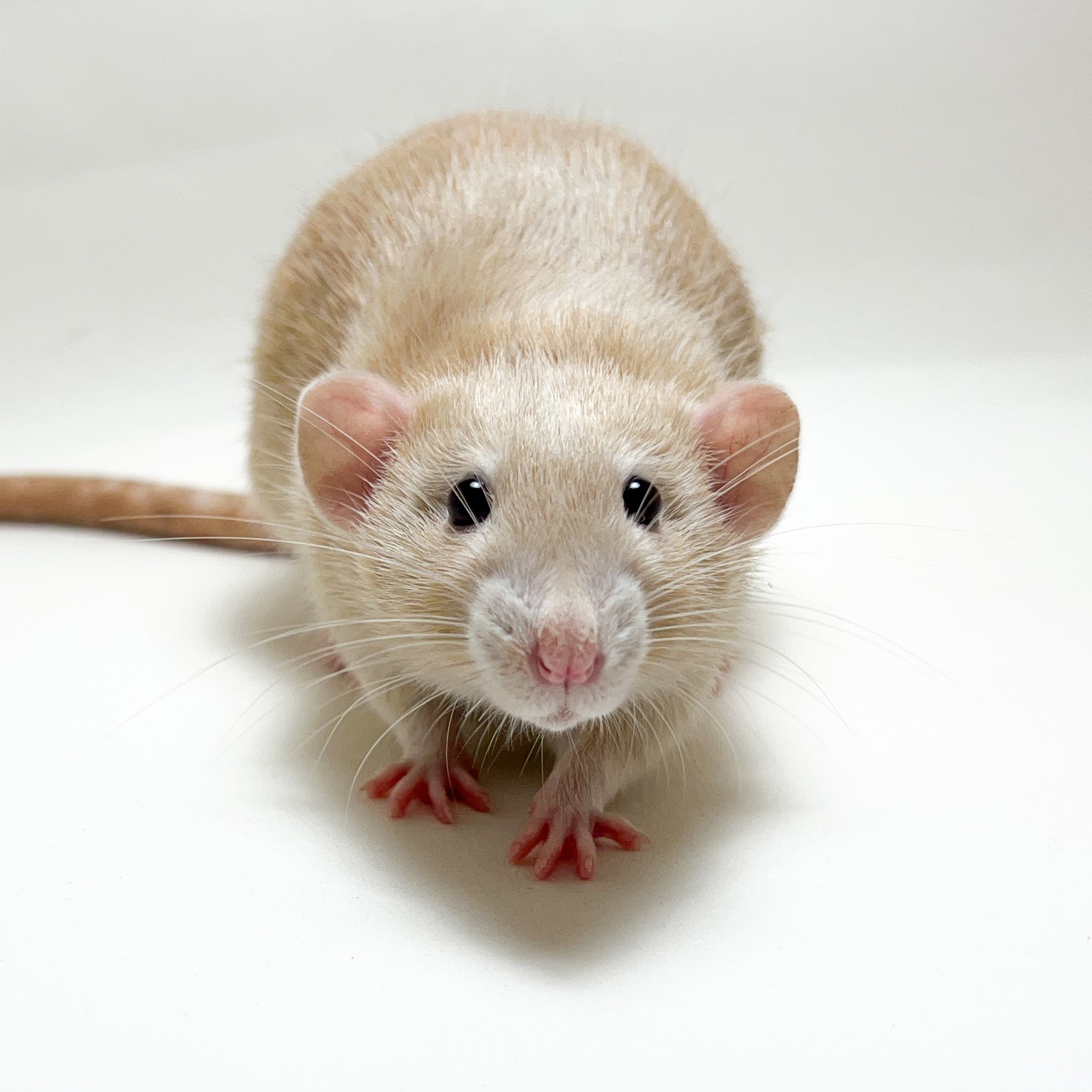
Eye Colour: Pink
Description: Top colour a pleasing warm shade of orange-cream evenly ticked with silver to silver-blue guard hairs. Undercolour must exhibit a distinctive blue cast close to the skin. Belly and throat to be cream. Feet to match top colour as close as possible, but a lighter shade acceptable. Eyes may be any shade of red to dark ruby but pink eyes undesirable. Coat to be short and thick.
Russian Silver
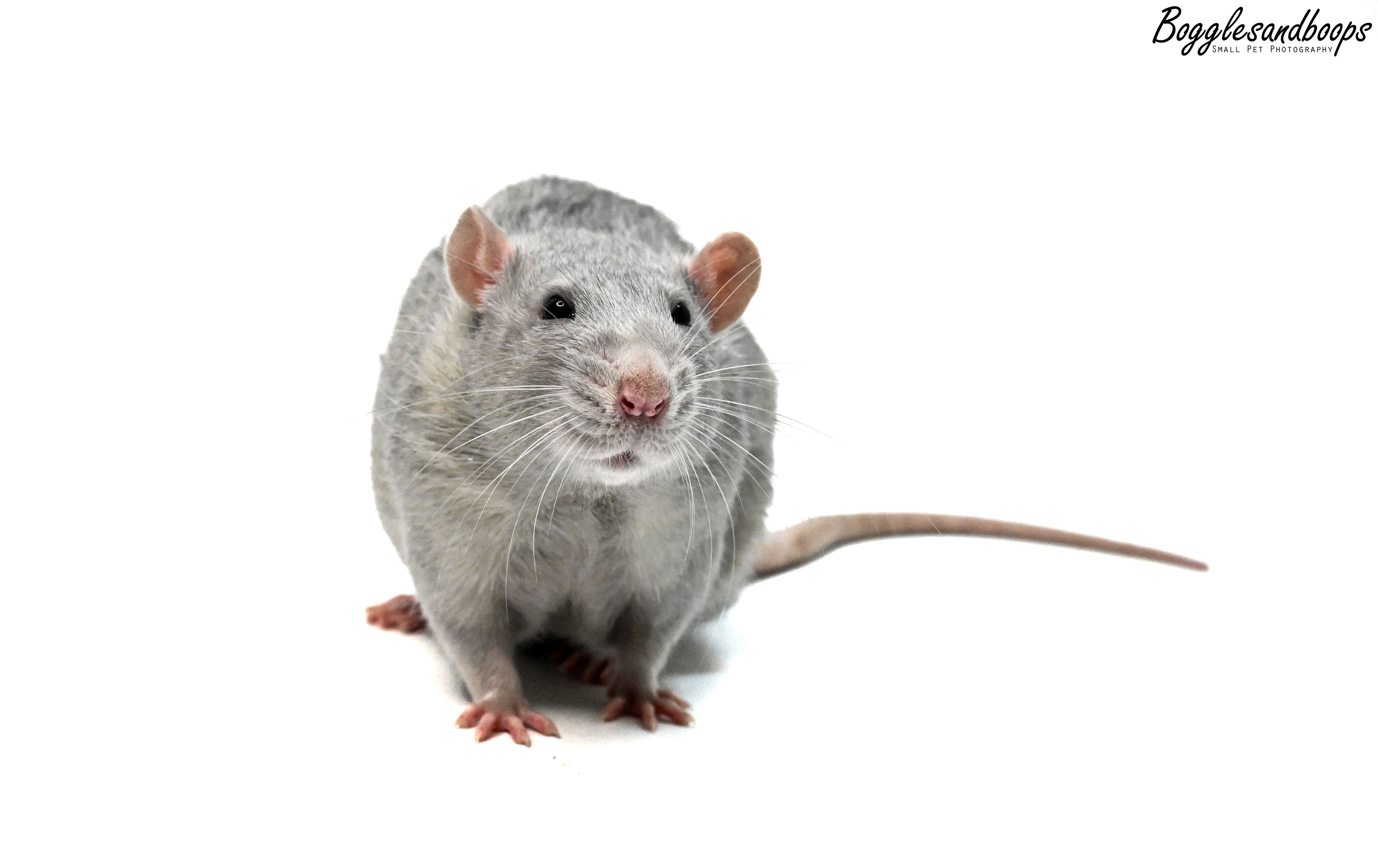
Eye Colour: Black
Description: To be a pale blue-grey. Faint light speckling or a subtle ticked effect (heathering) is usual for this variety and is not a fault. Colour to be level throughout. Belly colour to match top. Undercolour to be as pale as possible. Brown, yellow or pinky tinges to be faulted
AOV (All Other Varieties)
Agouti
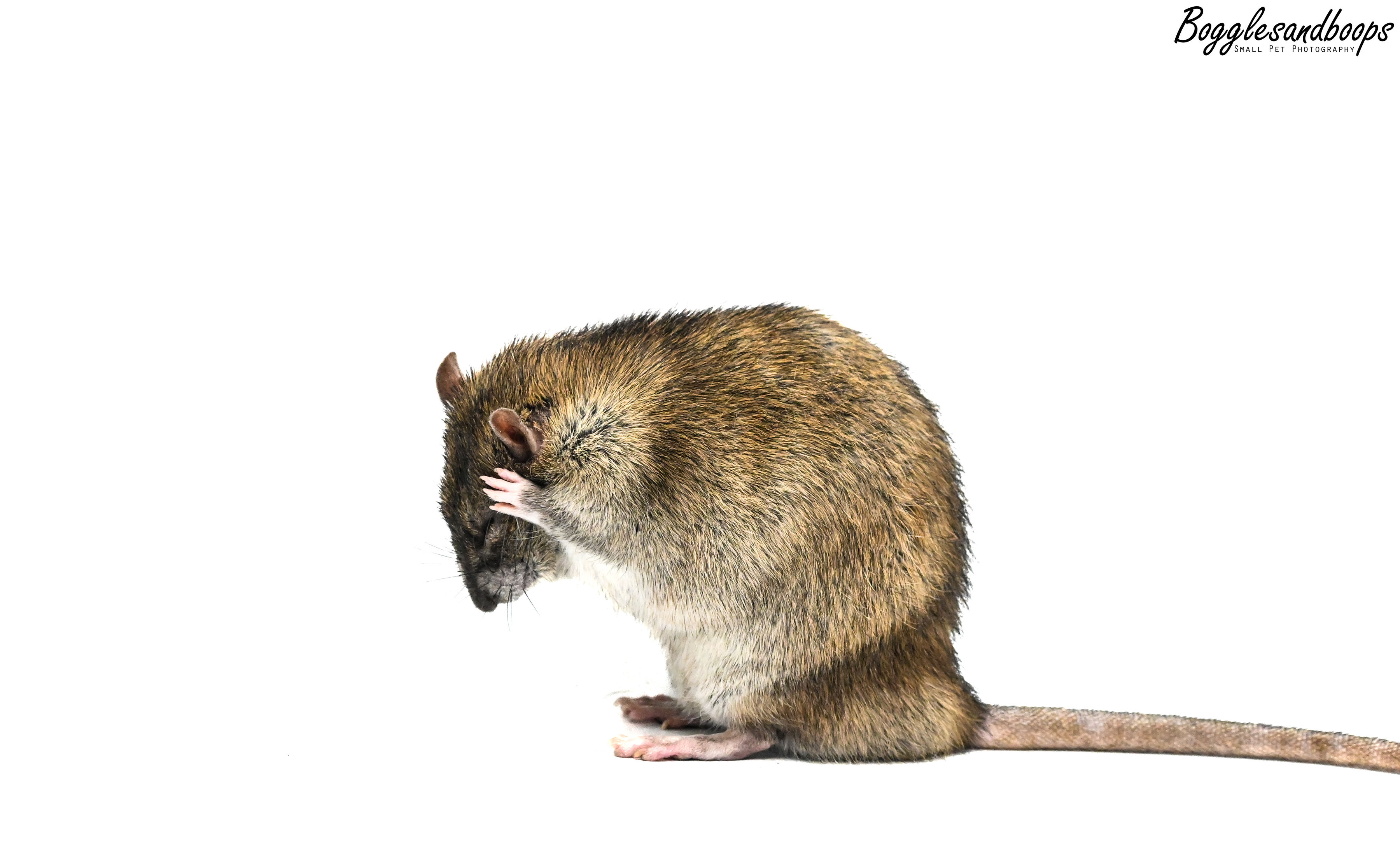
Eye Colour: Black
Description: To be a rich ruddy brown, evenly ticked with black guard hairs. Base fur dark grey to black. Belly fur to be silver grey. Ears and tail to be covered with black hairs. Foot colour brownish grey.
British Blue Agouti
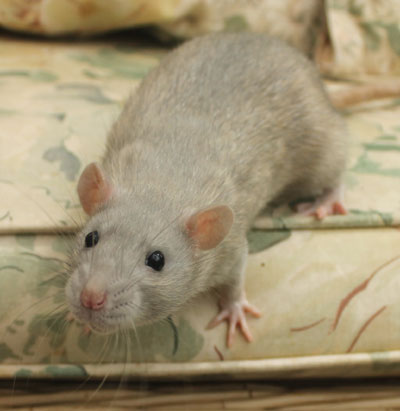
Eye Colour: Black
Description: An attractive blend of mid-blue ticking over a medium fawn ground. Undercolour to be blue down to the skin. Belly colour silver. Feet dove grey. Ears and tail to be covered with blue hairs. A brown tinge will be judged as a fault.
Cinnamon

Eye Colour: Black
Description: To be a warm russet brown, evenly ticked with light chocolate guard hairs. Base fur mid-grey. Belly fur as Agouti but of a lighter shade. Ears and tail covered with light chocolate hairs. Foot colour light brownish grey.
Cinnamon Pearl
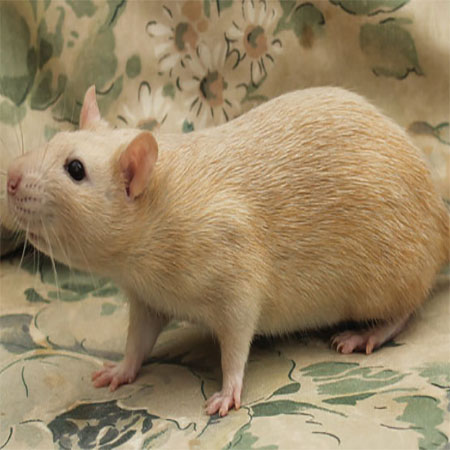
Eye Colour: Black
Description: Coat to consist of three bands of colour from the base up – cream, blue and orange, with silver guard hairs, to give an overall golden appearance with a silver sheen. Belly fur pale silver grey. Foot colour light creamish grey
Cream
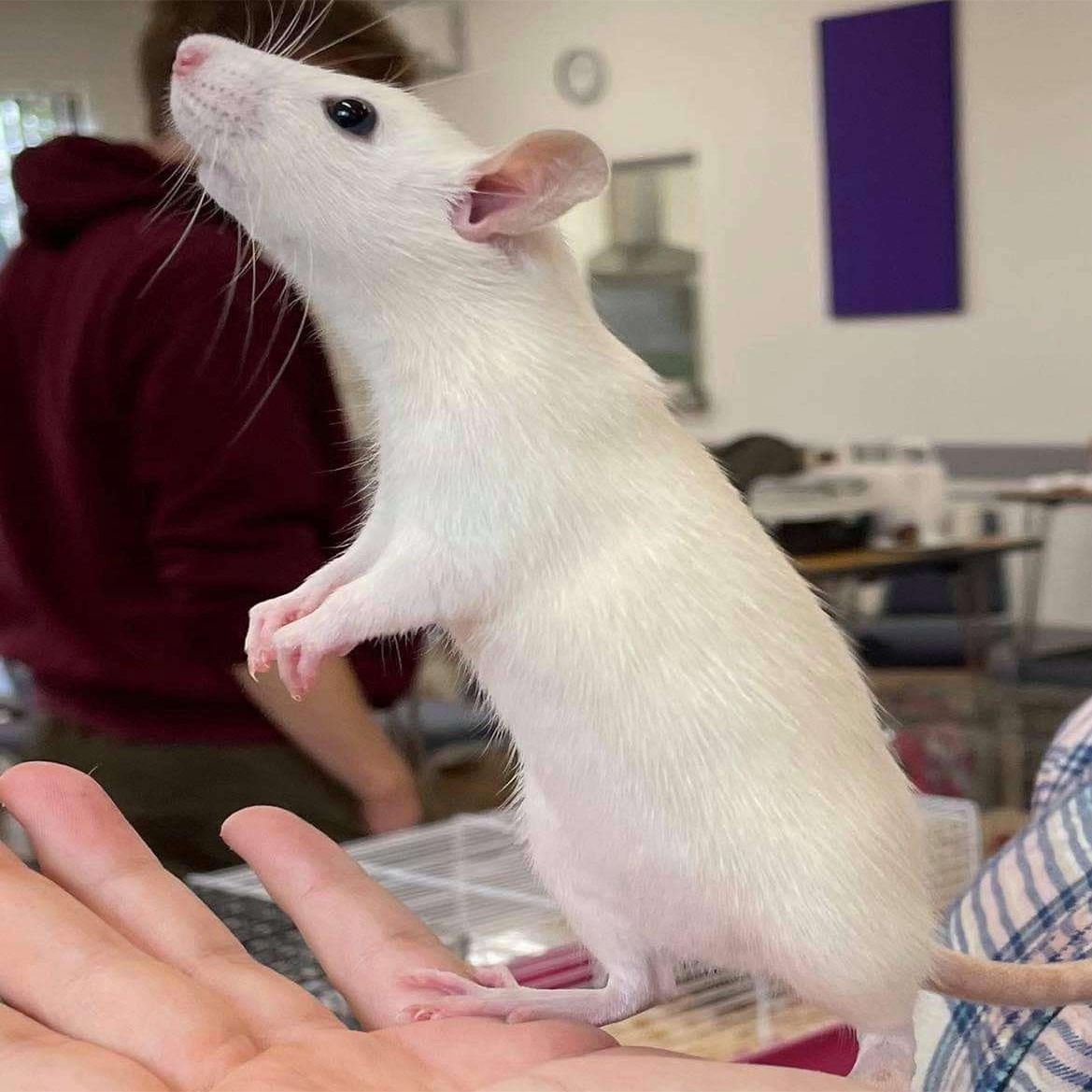
Eye Colour: Black or Pink
Description: Body colour to be a rich ‘clotted’ (warm) cream colour with no odd coloured hairs or patches. Belly colour to be pale cream, demarcation between top colour and under to be allowed. Ears and tail to be pink. Grey pigment on the ears and scrotum to be allowed.
Lilac Agouti
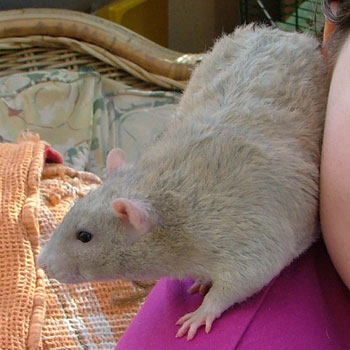
Eye Colour: Black or Very Dark Ruby
Description: To be an attractive blend of dove grey ticking over a medium fawn ground. Undercolour pale grey down to the skin. Belly colour silver. Feet dove grey. Ears and tail to be covered in grey hairs. Pinky tinge desirable, blue tinge a fault.
Pearl
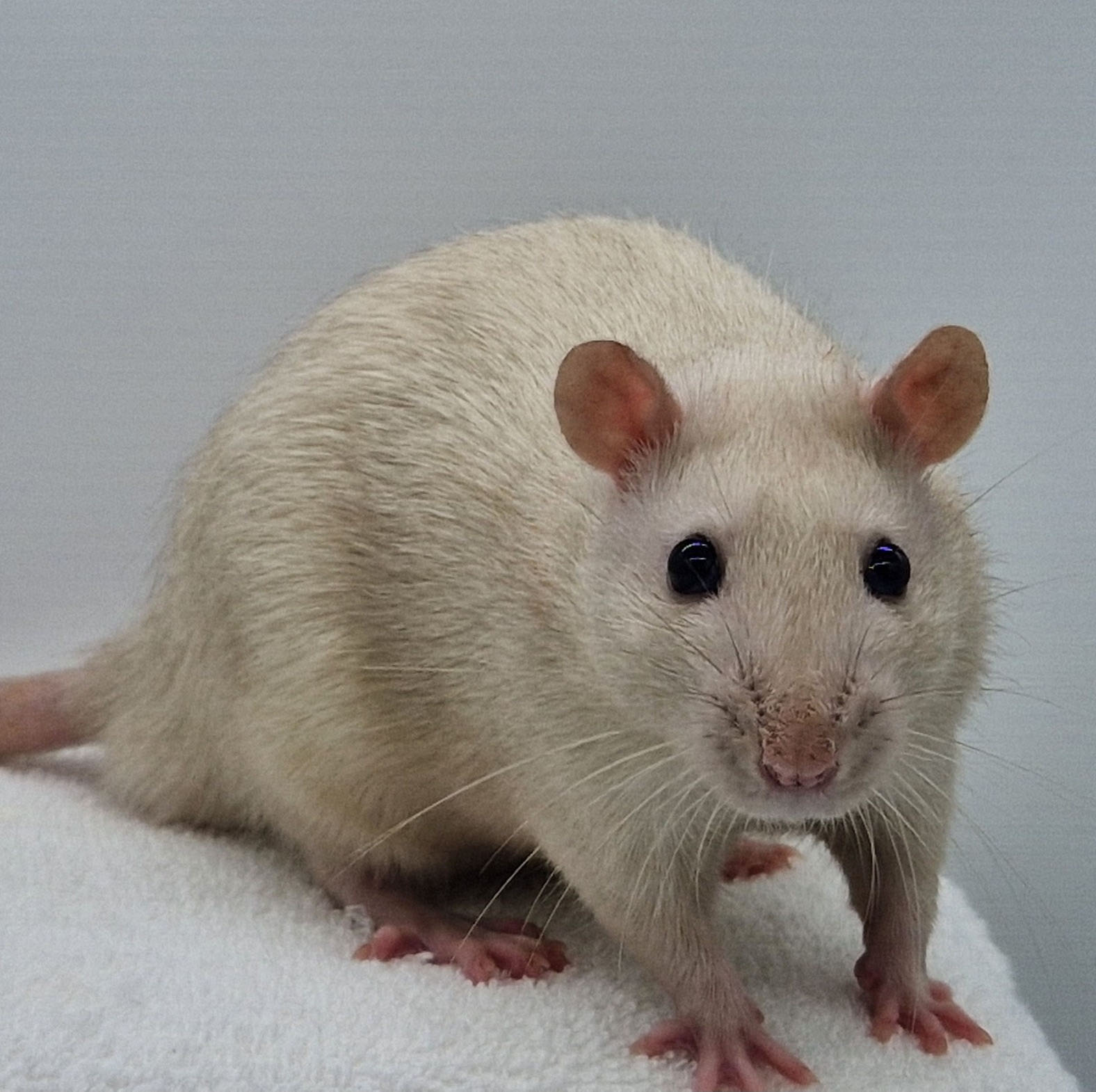
Eye Colour: Black
Description: To be palest silver, shading to creamish undercolour. Each hair to be delicately tipped with grey evenly over the whole animal. Belly fur to be creamy silver. Foot colour to match top.
Platinum Agouti
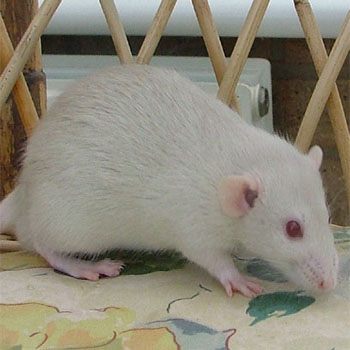
Eye Colour: Red to Ruby
Description: A bright blend of pale grey ticking over a rich cream ground, with a distinct ice-blue hue. Undercolour pale blue down to skin. Belly colour pale silver. Feet pale grey
Silver
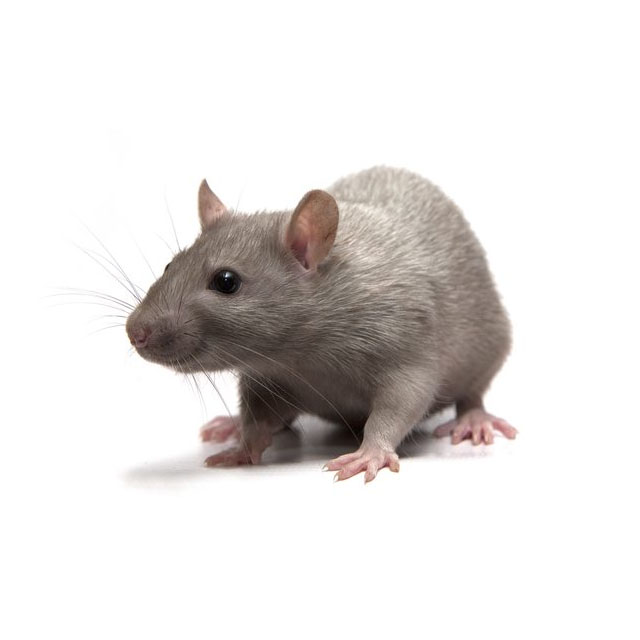
Eye Colour: Black
Description: To be of a recognised coat colour (black, mink, chocolate and British blue only), the coat containing equal numbers of silver and non-silver guard hairs. Each silver hair to have as much of its length white as possible, a coloured tip to be allowed. Silvering to give an overall sparkling appearance. It should not be possible to confuse a silver with a Pearl or a Self. Foot colour to match top. Belly colour on other silvered varieties to match top.
Silver Fawn
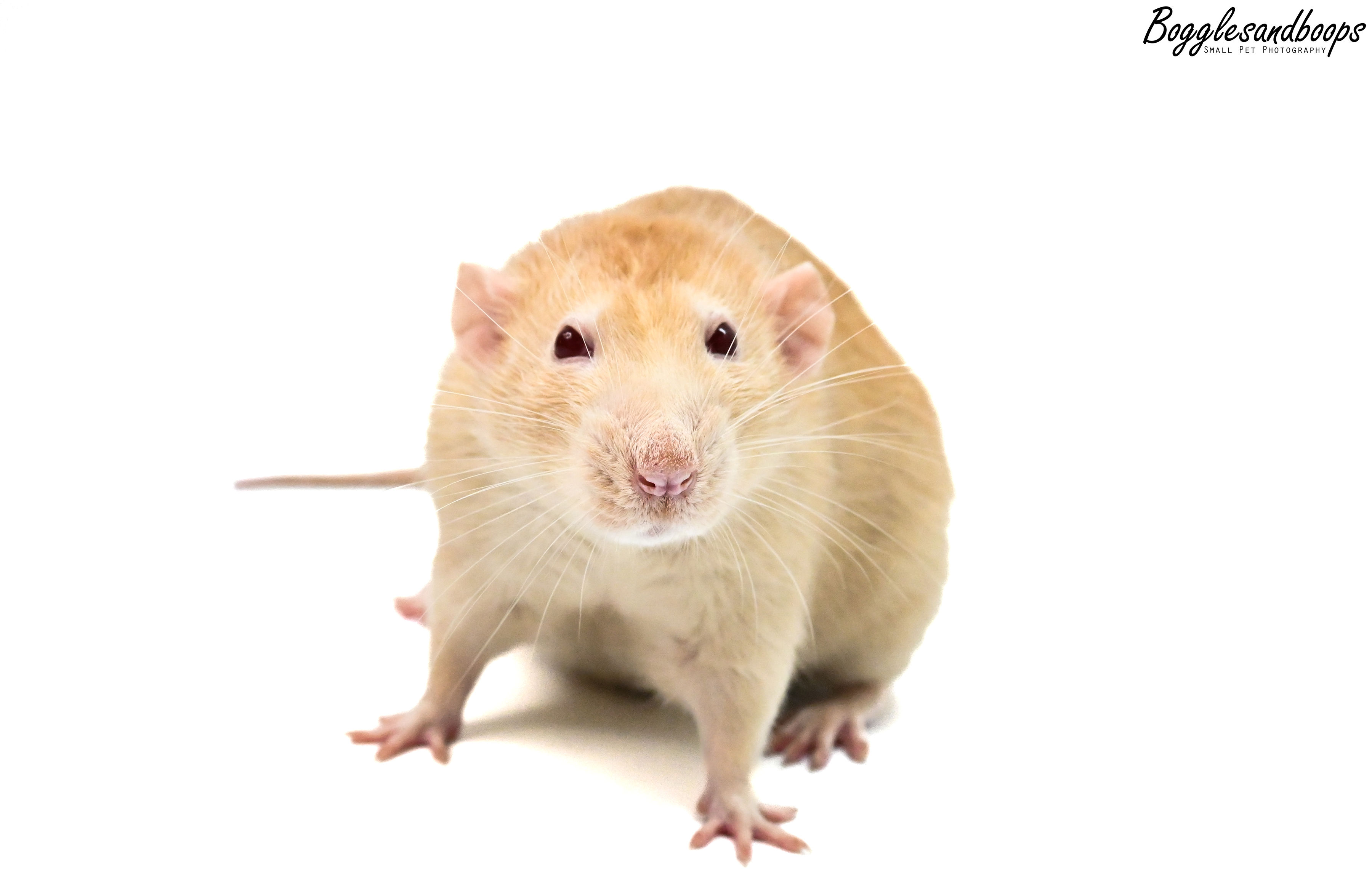
Eye Colour: Red
Description: To be a rich orange fawn, evenly ticked with silver guard hairs. Belly fur to be white. The demarcation between the top colour and white belly to be sharp and clear cut, devoid of irregularities and brindling. Foot colour pale fawn.
Topaz
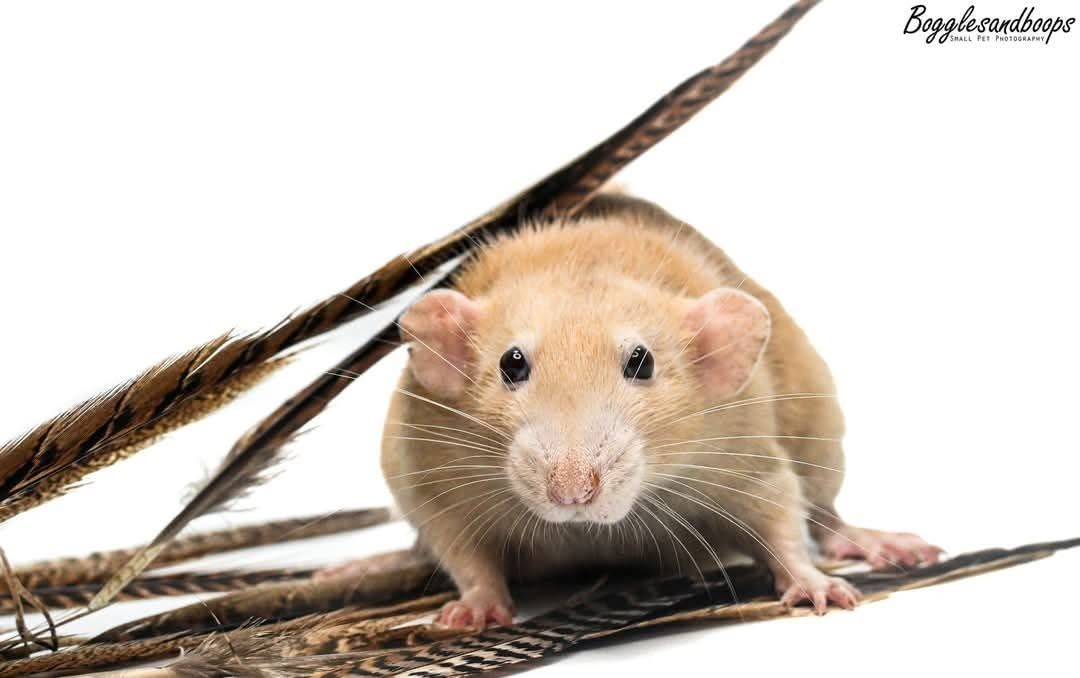
Eye Colour: Very Dark Ruby
Description: To be a rich, golden fawn evenly ticked with silver guard hairs. Undercolour to be pale blue/grey carried down to the skin. Belly fur to be creamy silver. Top colour to be even carried well down the sides with clear differentiation between belly and top colour. Any tendency to sootiness or greyness of the top colour to be penalised.
Guide Standard Varieties
Russian Burmese

Eye Colour: Black or Very Dark Ruby
Description: To be warm, mid grey, devoid of dinginess, silvering, or patches, with distinctly darker points of the same shade. Faint light speckling or a subtle ticked effect (heathering) is usual for this variety and is not a fault.
Russian Silver Agouti
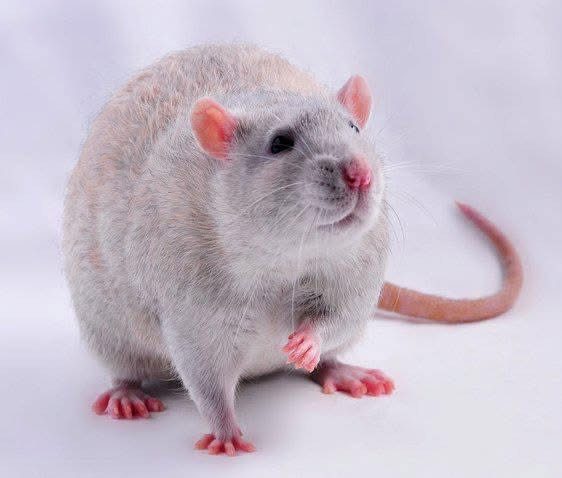
Eye Colour: Black
Description: A blend of light blue grey ticking over a warm creamy fawn ground. Undercolour light silver grey down to the skin. Belly colour pale silver. Pinky tinge to be a fault. Coat to be short aand thick- a long coat or a coat similar to that on other varieties (excluding rex) to be a serious fault.
Sable Burmese
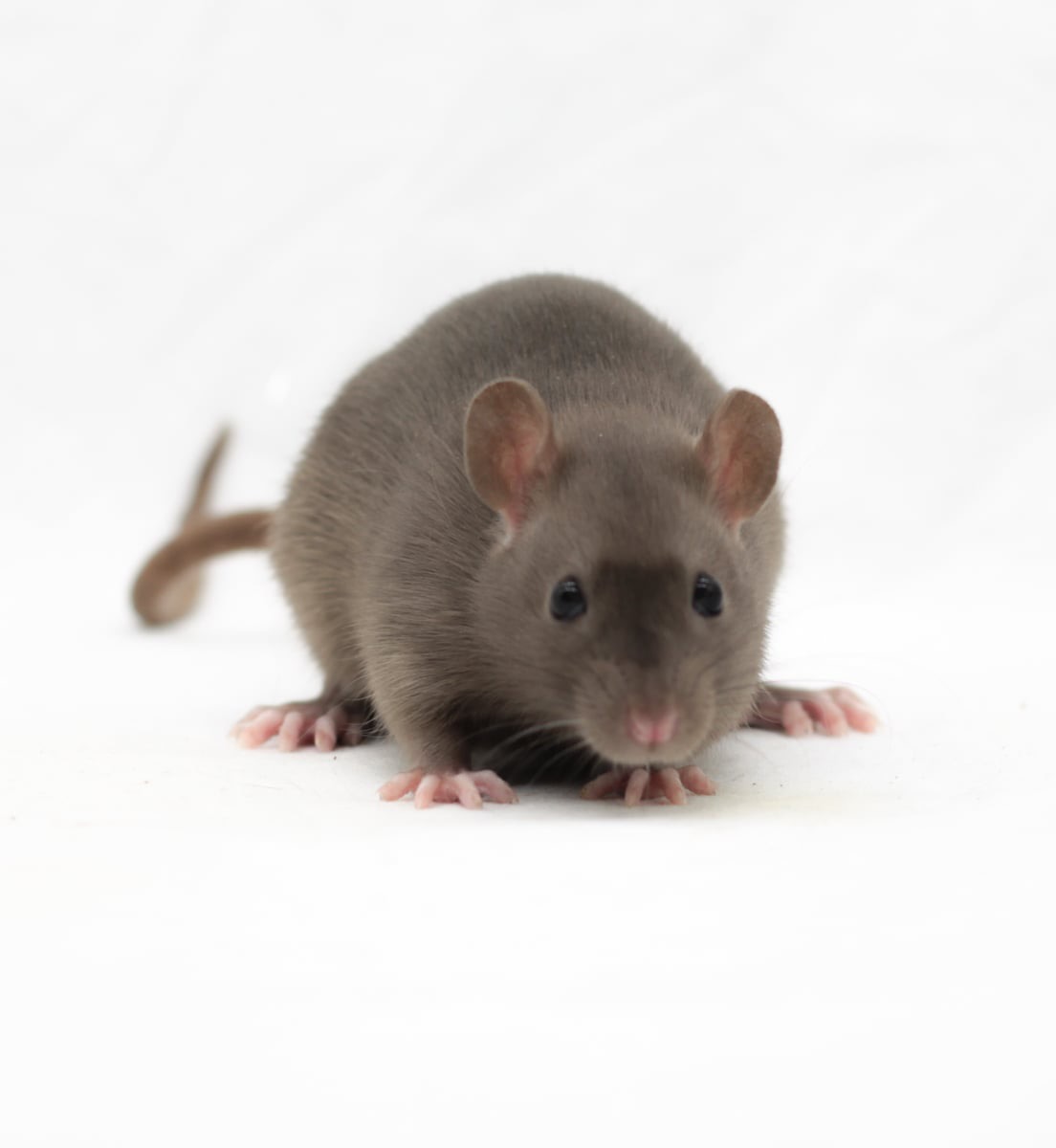
Eye Colour: Black
Description: To be a warm dark otter brown with subtle darker points on the feet, tail, face, and ears. Devoid of dinginess, silvering, or patches. Contrast between points and body colour not to be overstated. Any suggestion of black in the points to be penalised.
Silken
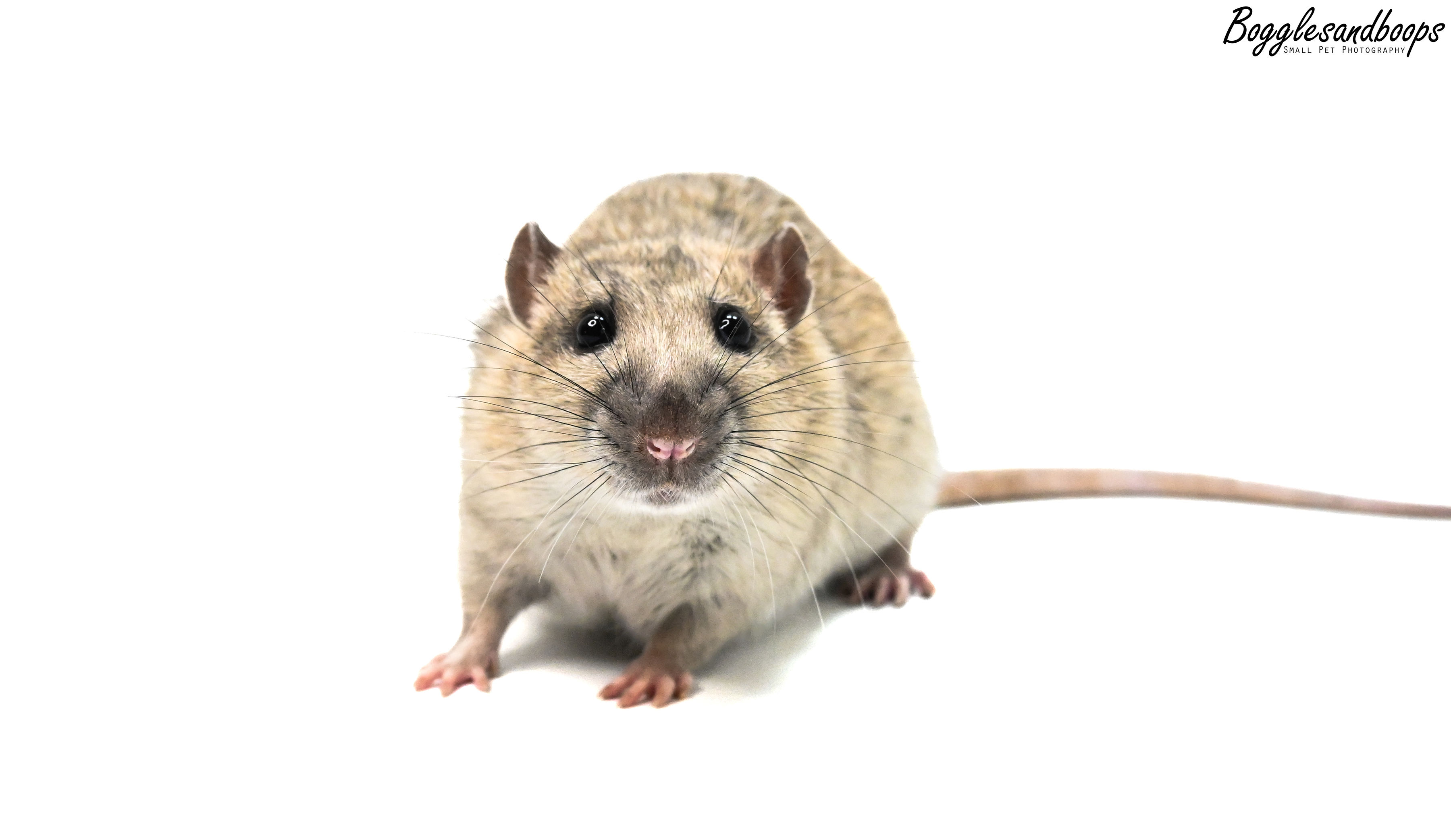
Eye Colour: Black
Description: The coat on this variety should be long, fine, silky and held flat all over the body including the belly, although the fur here and on the head will be shorter and the demarcation will be shaded between the top and belly colour and not sharply defined. Each guard hair to be translucent forapproximately 2/3rds of it’s length with the bottom portion correspondingto the colour of the variety. The colour of the translucent portion to be silver but will reflect pale gold on agouti types due to the colour of theagouti band shining through, the exact shade will vary with the variety (eg agoutis will be darker than cinnamons). The undercolour, muzzle and around the eyes should correspond to the colour variety, eg. black for agouti, light brownish grey for cinnamon and dark blue for Russian blue agouti. The translucent coat is usually fully developed by ten to twelve weeks and should remain in the adult. These shall not be shown in pink eyed varieties, rex, pointed or pale coated varieties
Spotted Downunder

Eye Colour: Black
Description: To be broken marked, giving the effect of random spots and splashes of colour over the back and belly, neck and shoulders. Side spots are desirable. The head is to be broken marked with larger areas of solid colour than the body markings. Both ears are to be contained in the coloured area. Pied tails not to be penalized.
Provisional Standard Varieties
Blue Point Himalayan
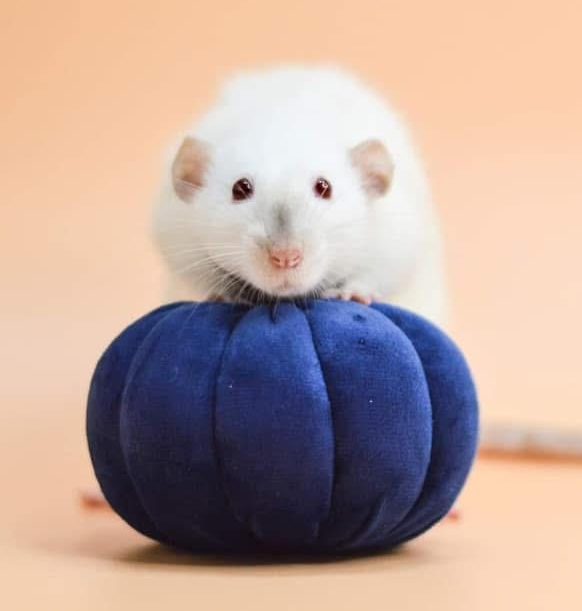
Eye Colour: Black or Red
Description: Body colour to be white, free from stains and even throughout. The points to be a medium smokey blue. Check NFRS site for specifics on colour areas
Bareback

Eye Colour: Black
Description: The hood shall be unbroken, covering the head, throat, chest and shoulders, except in the case of light coloured bareback varieties where a pale coloured throat is permissible. The remainder of the body to be white. The edges of the hood shall be clear cut and devoid of brindling. The white area shall be pure and devoid of any yellowish tinge or staining.
Chestnut
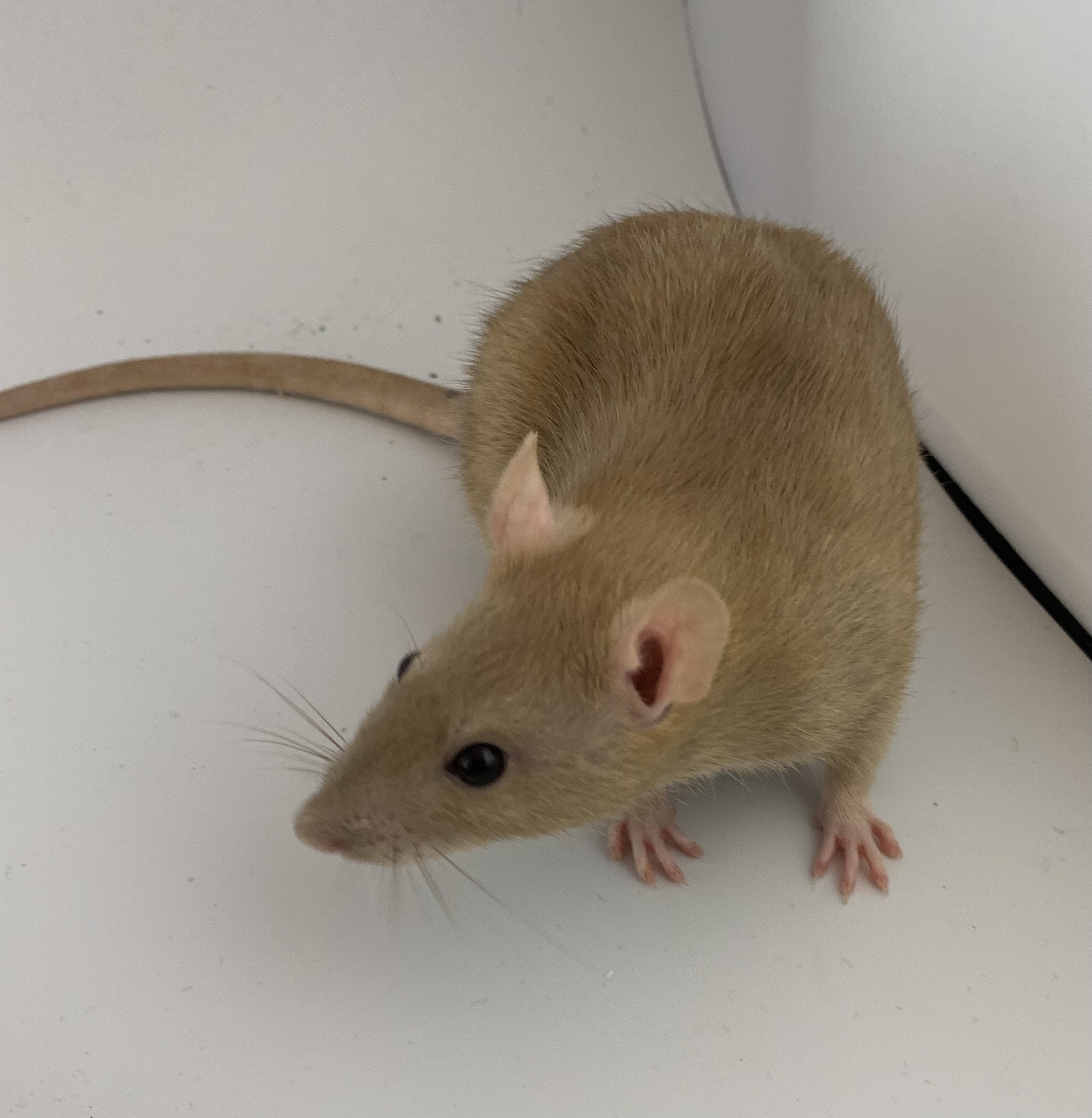
Eye Colour: Black
Description: To be a strong burnt orange, with smoky grey ticking, not to be mistaken for topaz or cinnamon. Undercolour to be a dark blue/grey carried down to the skin. Belly fur to be creamy silver. Top colour to be even, carried well down the sides with clear differentiation between belly and top colour. To have a distinct smoky coloured nose blending into the main colour.
Cinnamon Chinchilla
Eye Colour: Black
Description: Top colour light brown.The whole to give a pale speckled sandy appearance. Undercolour midgrey/brown, intermediate section pearl, tips brown. The entire underside to be white with a clear demarcation between top colour and belly. Head markings may be present or absent. Where present either a blaze or a headspot to be acceptable.Headspot: Headspots to be centrally placed on the rat’s forehead and no bigger than the rat’s eye. The Blaze: is to be a wedge shaped symmetrical blaze of white starting at the nose and extending up the face to the forehead. The blaze to cover the whisker bed and to taper to a fine point midway between the eyes and the ears. Not to extend to the cheeks or the eyes. Forelegs to be white to half their length, backfeet to the ankle (hock or tarsal bone). Tails to be pied.
Copper
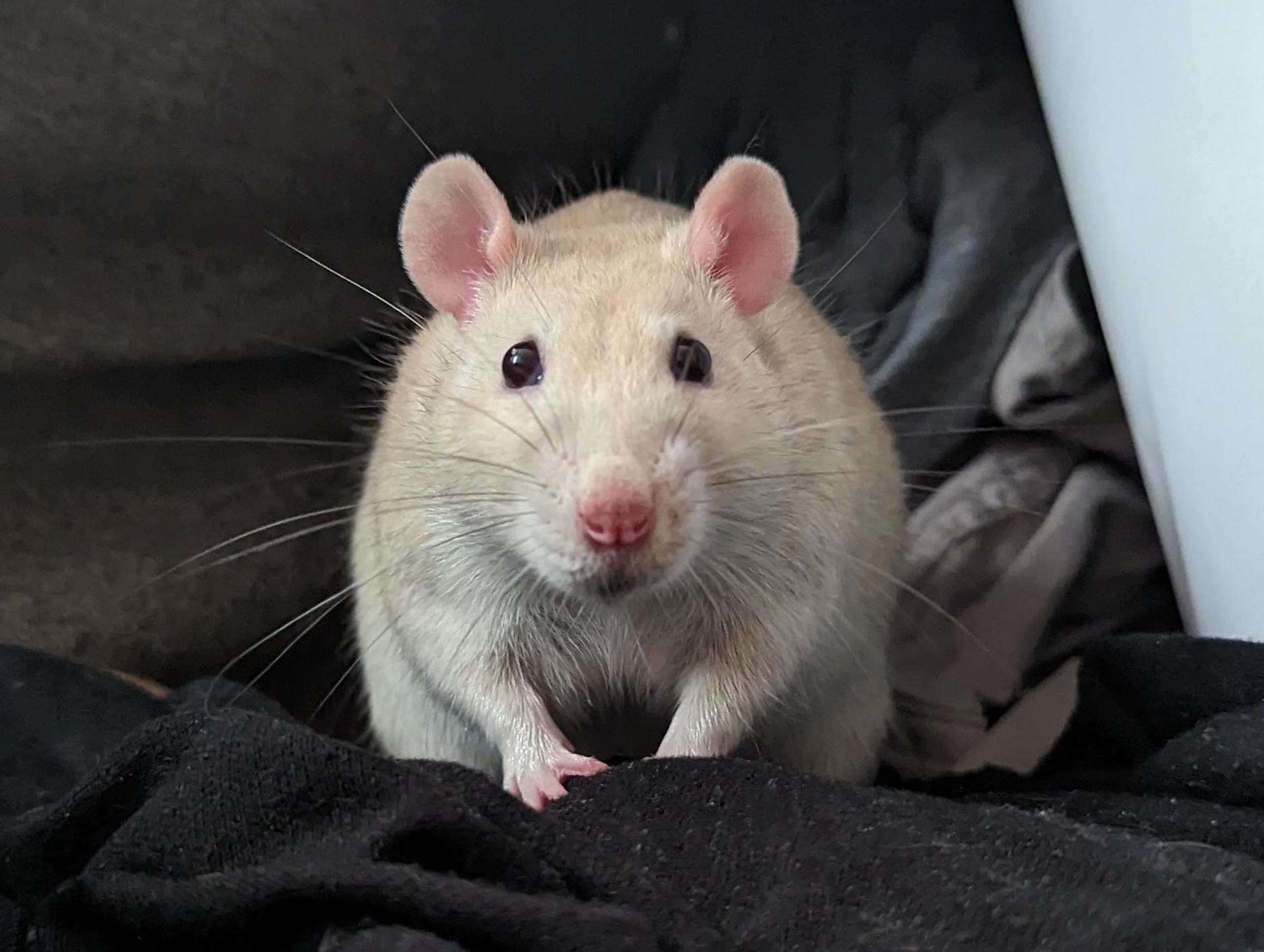
Eye Colour: Black or Dark Ruby
Description: To be a light copper colour with a soft metallic sheen delicately ticked with lilac, base coat light grey, feet and belly creamy silver. Russian coat.
Dwarf
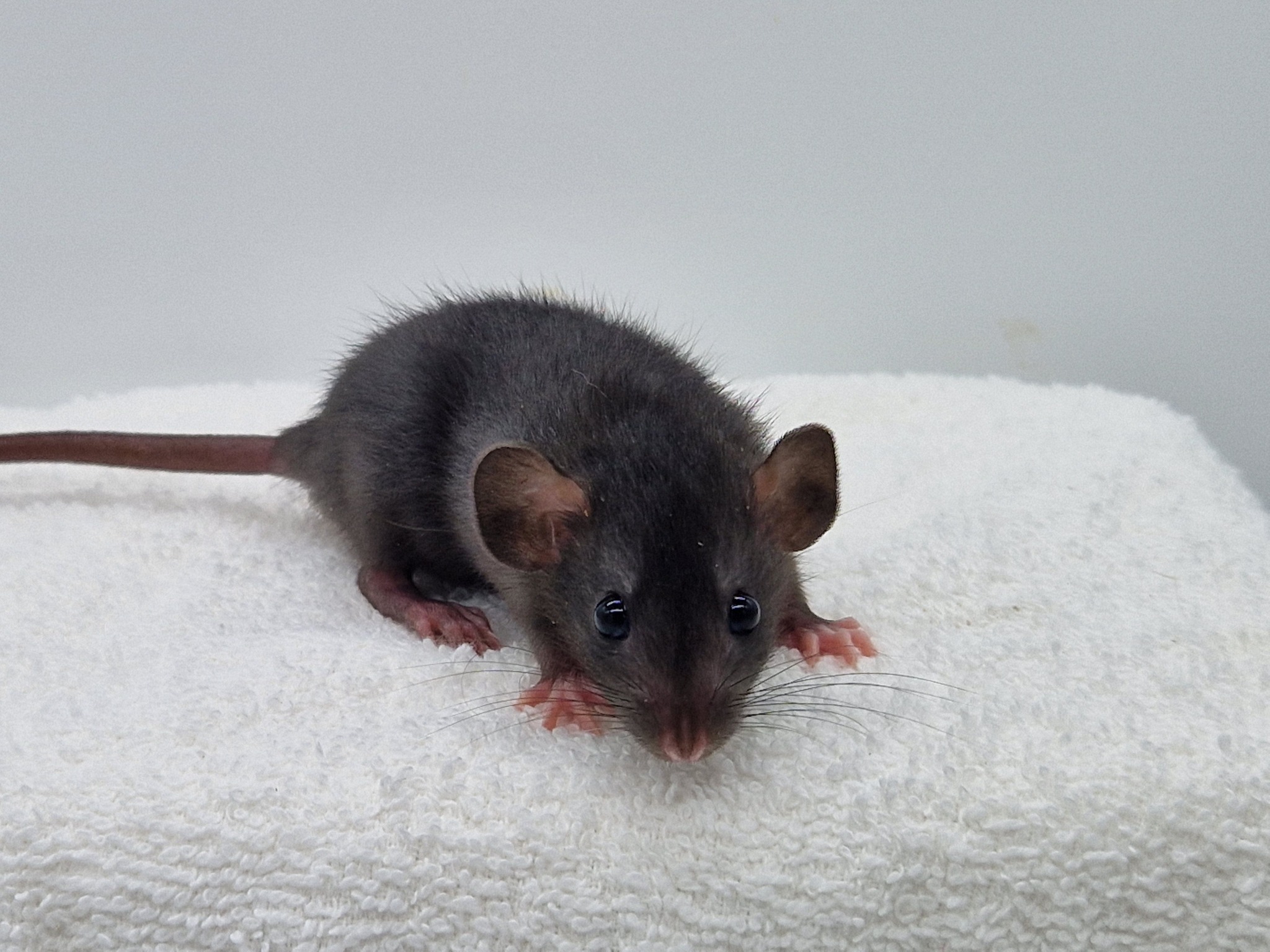
Eye Colour: All
Description: To be less than half the size of a standard fancy rat but easily distinguished from a small example of same. All varieties recognised for other rats to be accepted. Head to be shapely, similar to a standard rat but finer boned and pointed at the muzzle. Eyes big, round and bold with a good width between the ears. Ears to be large and well-shaped. Body to show good length but slightly more rounded over the loin. This may give the appearance of a chopped rump but the bones of the pelvis should not be prominent to the touch. The tail will not be as long or thick in comparison with a standard rat, but nor should it be square-shaped or excessively thin; the bones should not be visible. The tail will typically be held high during movement.
Merle
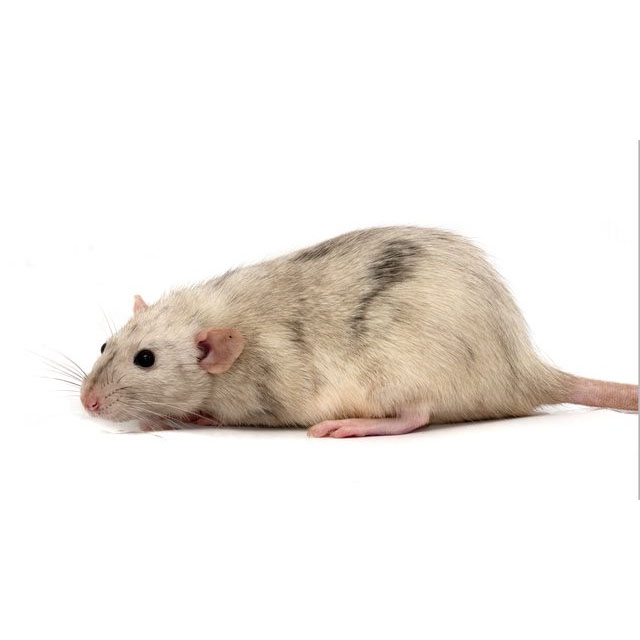
Eye Colour: Black
Description: Merle rats may be shown in pearl and cinnamon pearl. The unique feature is a pattern of dark splash-spots distributed evenly throughout the entire lighter background colour so as to resemble a merle dog. The markings should be numerous and distinct.
Pink Eyed Ivory
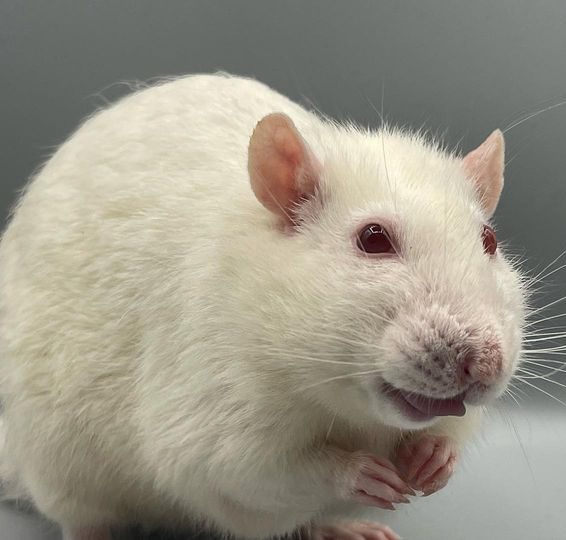
Eye Colour: Pink
Description: Pink Eyed Ivory
Body colour to be very pale creamy white all over with no odd coloured hairs or patches. Ears and tail to be pink..
Powder Blue
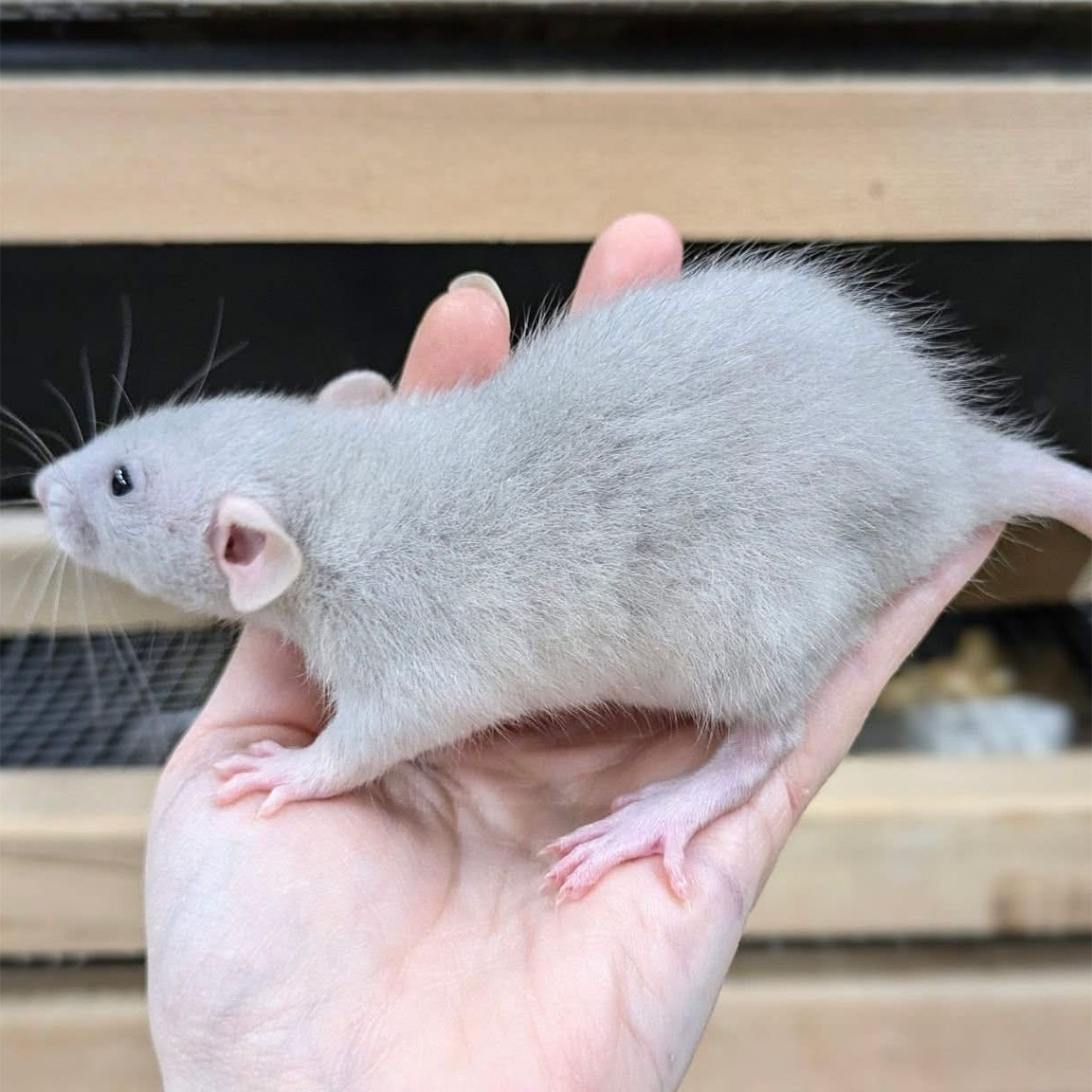
Eye Colour: Black or Ruby
Description: To be a pale dove blue colour, with pale silver base fur. Pale silver underbelly. Should be distinctively different to that of the slate colour of the blue rat. Colour to be as even as possible, devoid of dinginess, white hairs or patches. Foot colour to match top.
Tonkinese
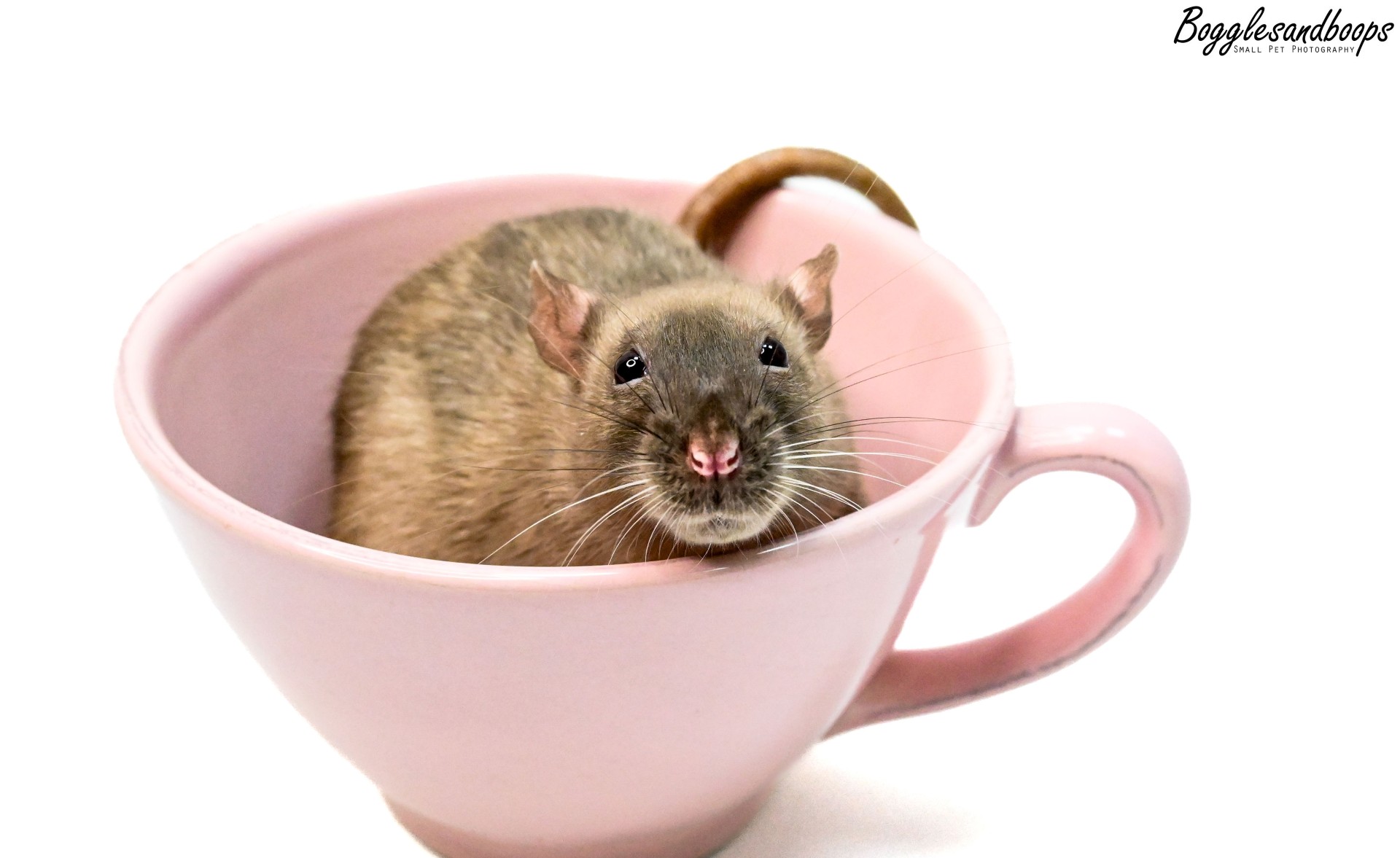
Eye Colour: Mid Ruby
Description: Coat to be an even mid toned Brown contrasted with darker points on the nose/face, tail root, base of ears and feet shading into the body colour. Points to be dark seal. Base fur to match top. Colour down to the skin. Belly to be a paler tone of the top colour with even fading down the sides from the spine to the belly.
Tonkinese Agouti
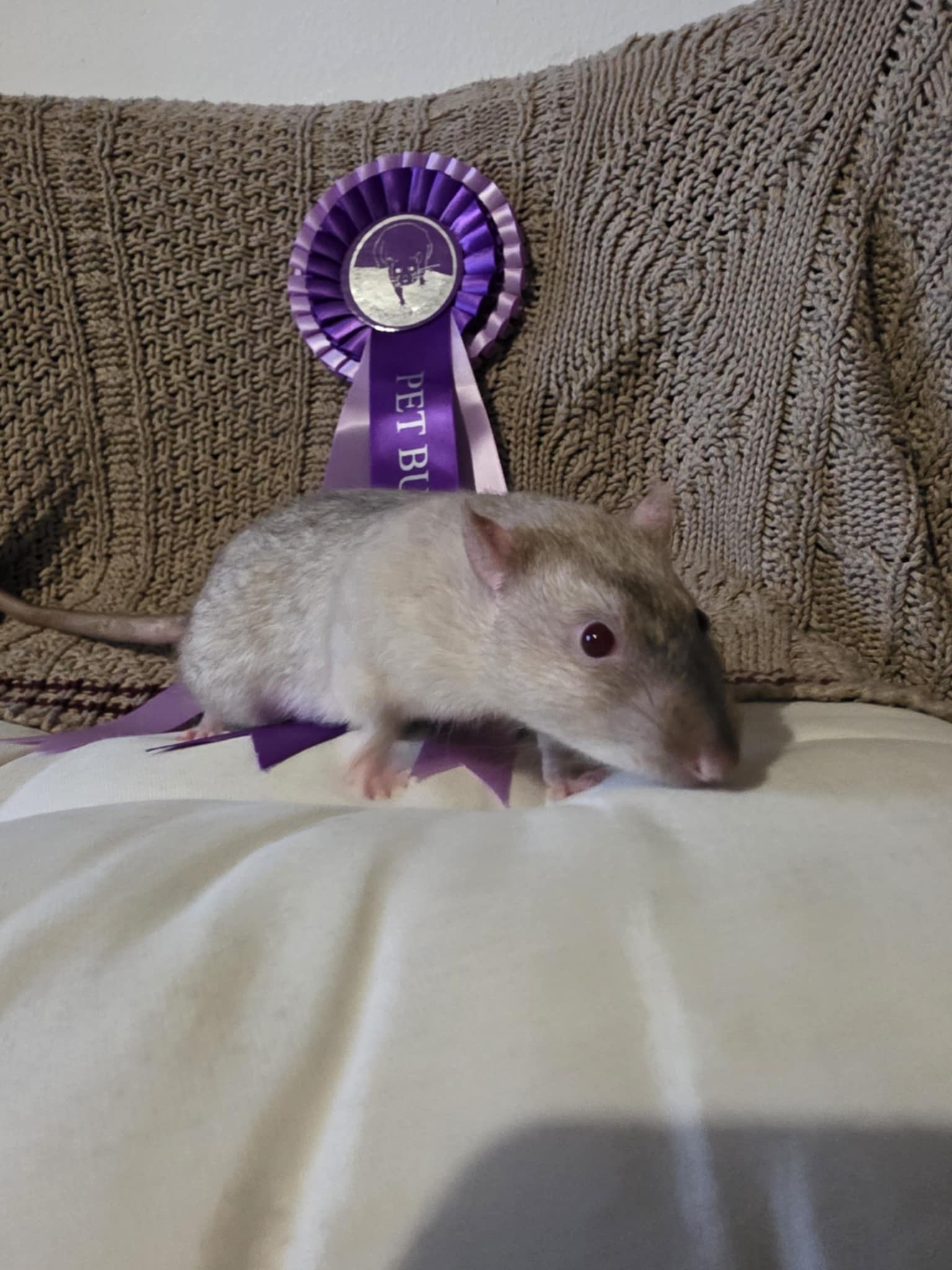
Eye Colour: Mid Ruby
Description: To be evenly ticked with a mid toned brown, on a pale cream background. Under coat to be light brown next to the skin. Pale belly with a light brown hue. Points to be mid sepia showing r down to the skin. Belly to be a paler tone of the top colour with even fading down the sides from the spine to the belly.
onform to a recognised colour variety. Underside should have a broken marked centre line down the belly. Side spots desirable.
Variegated Downunder
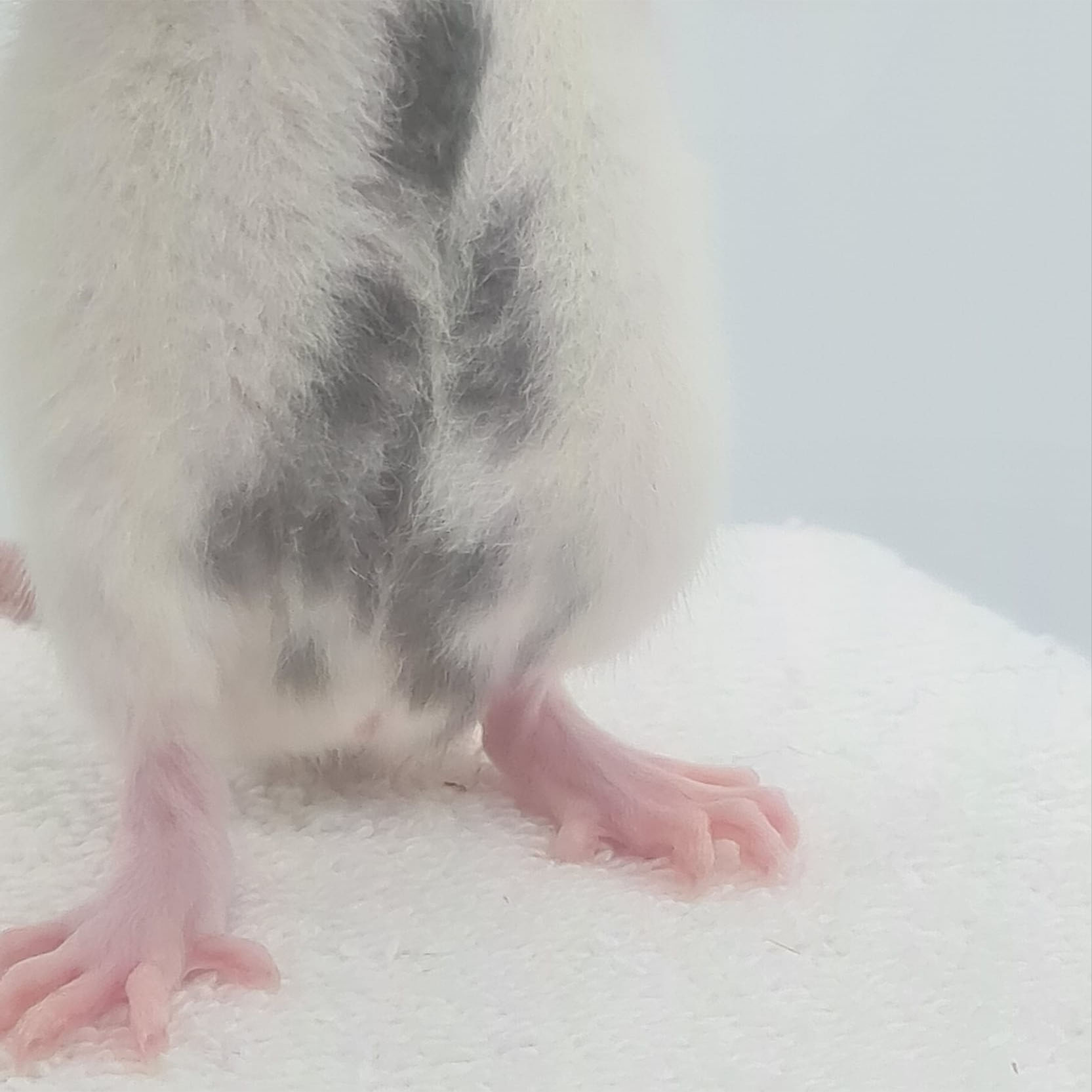
Eye Colour: Black
Description: The head and shoulders to be of a distinct colour with a white spot or blaze on the forehead. Where a spot is present this should be centrally placed on the forehead, round or oval in shape and no bigger than the rat’s eye. Blazes are a wedge shaped symmetrical blaze of white, starting at the nose and taper to a fine point midway between the eyes and ears. Markings not to extend onto the cheeks or the eyes. The rest of the upper portion (back, sides and tail) of the rat’s body to be white, evenly marked with patches and flecks of distinct colour, the colour to conform to a recognised colour variety. Underside should have a broken marked centre line down the belly. Side spots desirable.
Unstandardised Varieties
American Mink

American Cinnamon
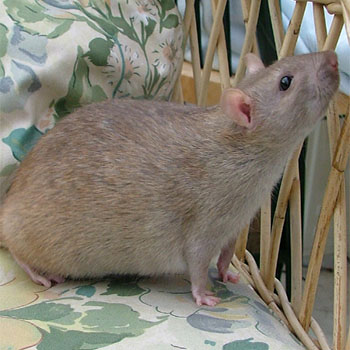
Zephyr Stud
Ash
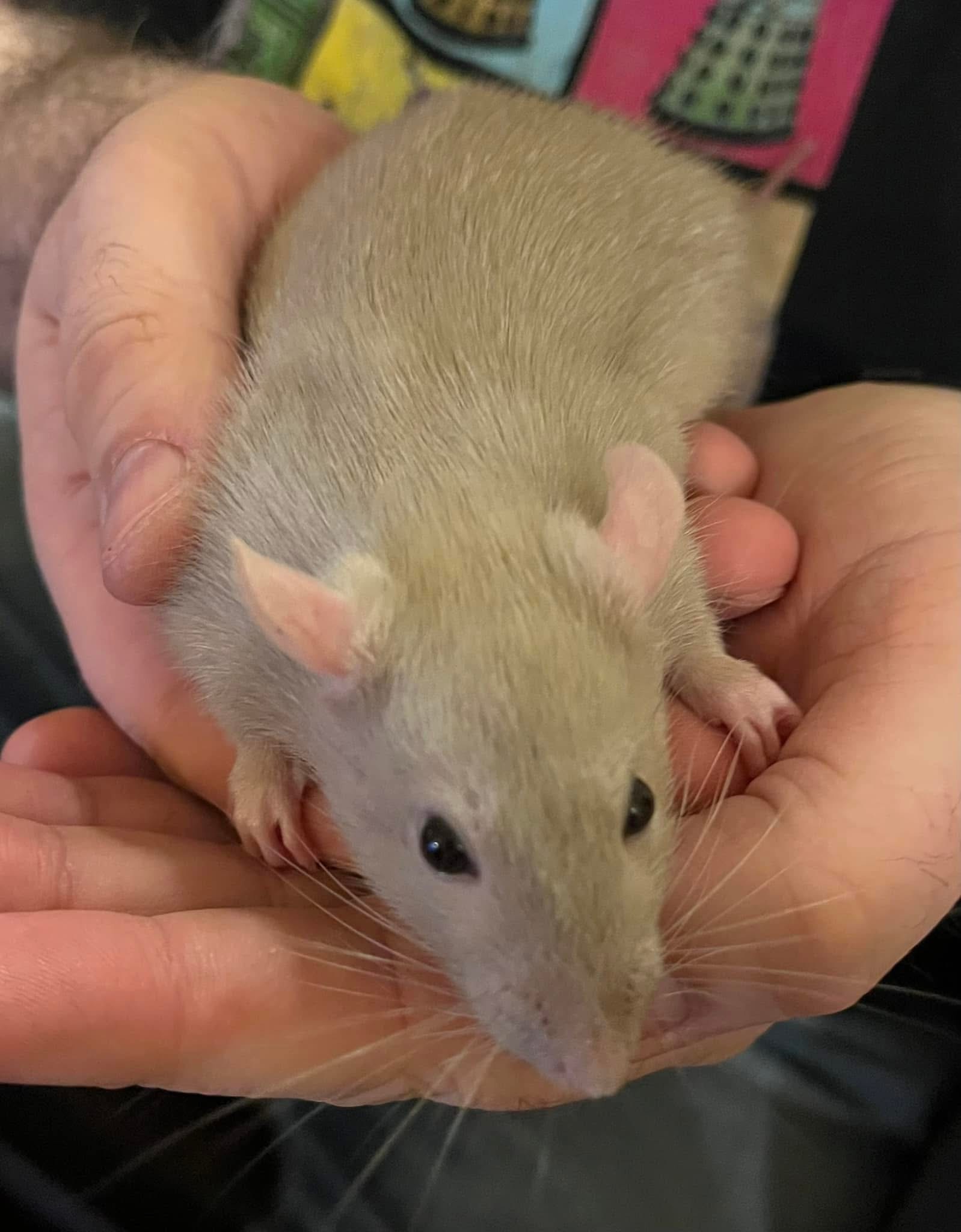
Chocolate Agouti
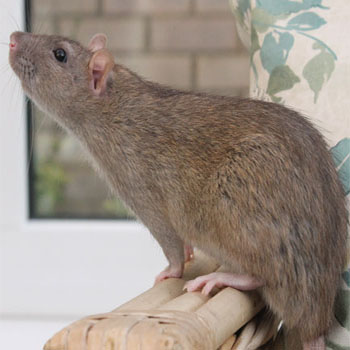
Havana
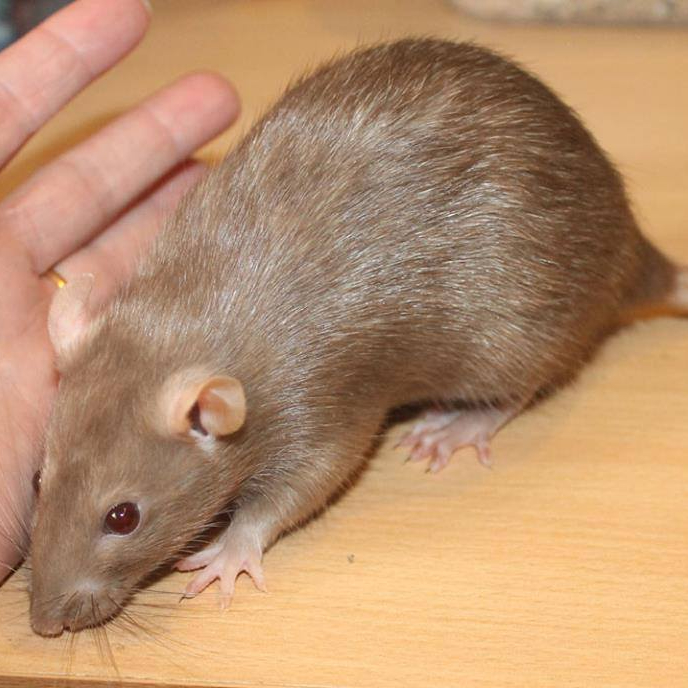
Havana Agouti
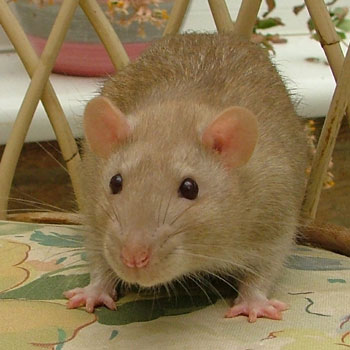
Marble
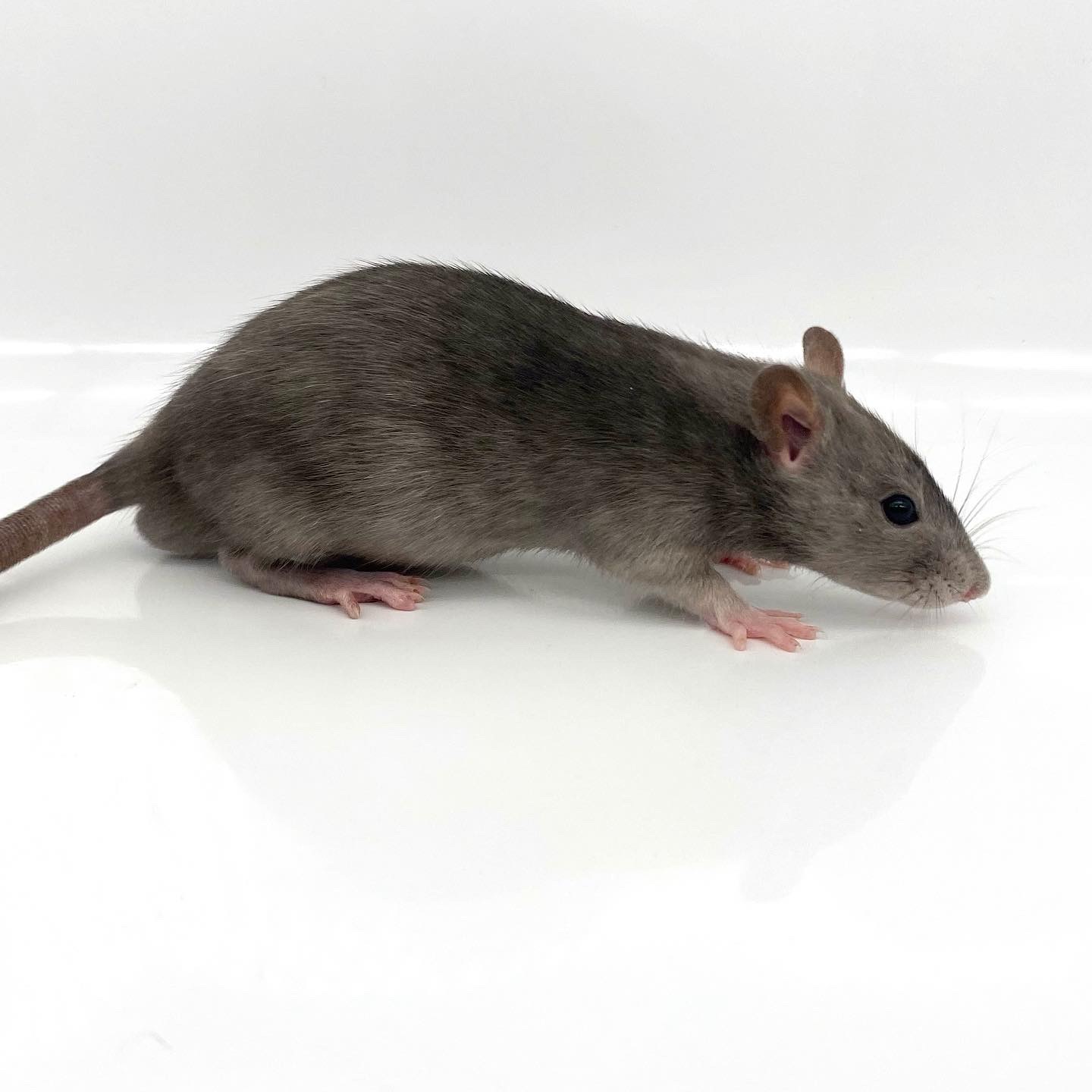
Quicksilver Agouti
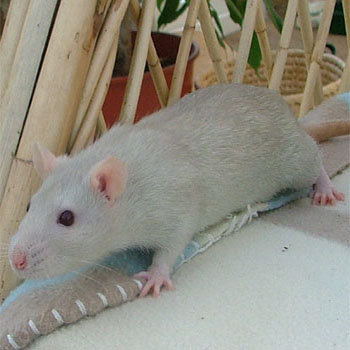
Russian Wheaten
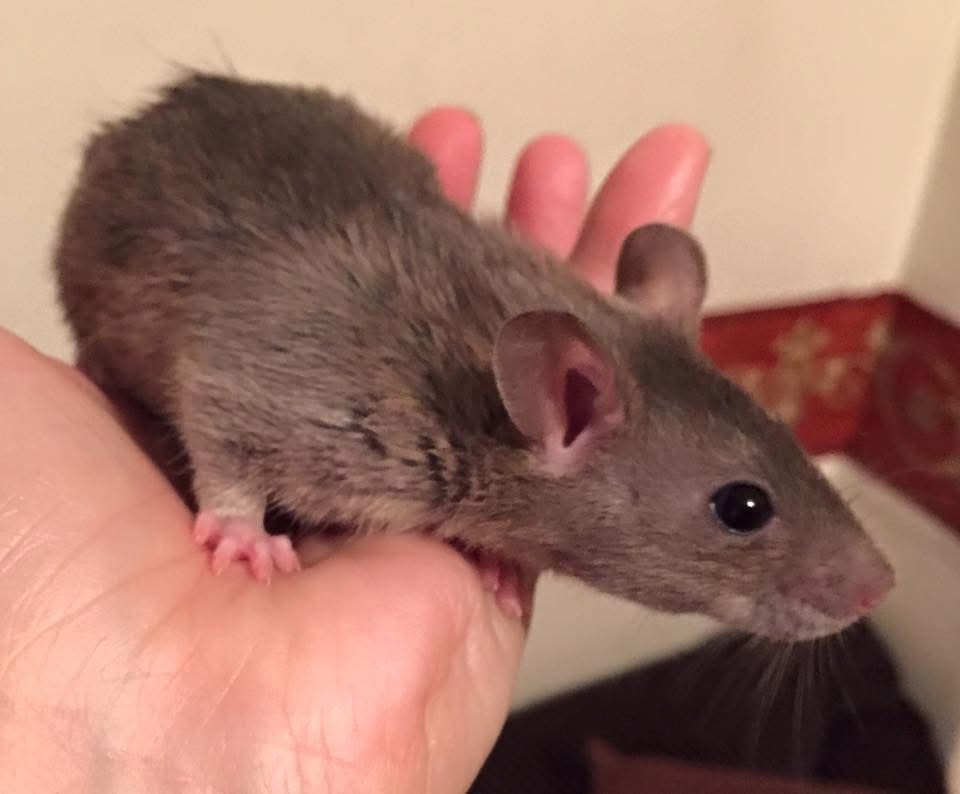
Satin
Other Unstandardised Varieties
Coffee | Coffee Agouti | Lavendar | Lavendar Agouti
Lilac | Chinchilla | Russian Pearl
Russian Wheaten Sable | Wheaten Sable
Varieties Guides
Burmese & Black Eyed Comparisons – Alpha Centauri Rats
Dwarf Rats: First Impressions – Kismet Rats
Dwarf Rats: A second look – Kismet Rats
Dumbo Rats – Alpha Centauri
General Comparison Pictures – Alpha Centauri Rats
Goldens: Experiences/Musings – Kismet Rats
 The Rat Wiki