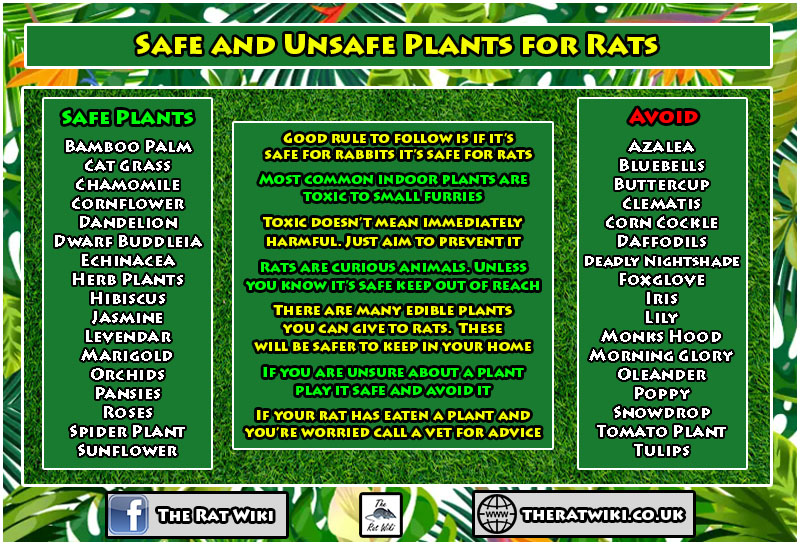
I’ve seen a lot of questions in the past revolving around what plants are safe for rats and if there are any to avoid. More importantly there has been a good few panicked people whose rats have eaten something and the owners didn’t know if it was safe or not which is a very worrying time. Whilst there are a lot of safe plants out there, and indeed many edible ones too, there are quite a few you might want to avoid your rats getting near or even having in the general area. Although there isn’t (to the best of my knowledge) a definitive “rat safe” list of plants to go to currently we can work off the same premise as we have in the past with Trees/wood which is “if it’s safe for rabbits it’s safe for rats.”
With that in mind I’ve delved quite deeply into many different sources in, not only the rabbit world, but most other small pets to hopefully offer rat owners a decent sized list of safe and unsafe plants to look at for reference. Hopefully this can be used to protect their rats from anything potentially harmful and replace with safer or even edible alternatives.
There are many plants out there, both indoor and outdoor, that are toxic to animals. Relatively few will cause instant death but some contain chemicals that may cause chronic issues if eaten over a long term period. While there is some cause for concern about plants that are potentially poisonous to our rats, it’s usually not quite as dangerous as we are led to believe. This does not mean we shouldn’t be cautious though, just that unless it’s a highly toxic plant then there’s no need for full on panic if your rats come into contact with it or consume a small amount. While there are some exceptions, most plants that are toxic for animals are only mildly poisonous. If your rat only eats a small amount of those plants, they likely won’t suffer from significant negative side effects.
It would be unusual for a rat to become ill immediately after eating a “toxic” plant. Many toxic plants have an effect that builds up in the organs over time. Normally, once symptoms do show it’s too late to do anything about it but as mentioned this would have to have occurred over a considerable period and ideally shouldn’t happen in an indoor domestic environment. Just a reminder again that “toxic” with plants does not necessarily mean poisonous or instantly harmful, or even that it cannot be consumed at all. Just that you should aim to prevent it at all costs but also not panic if they accidentally ingest some. If they do and you’re worried you can call your vet or Animal Poison Line to double check just in case.
The common statement that that rats won’t eat a plant that is bad for them isn’t likely to be that true either. Domestic rats might be cautious about trying new things, but unless it tastes bad to them, they are likely to try it!
There are some plants out there that do taste awful and they likely won’t try, ragwort for example and this is highly toxic and very dangerous. Luckily though it’s a weed generally found outside so shouldn’t ever be in a domestic environment for your rats to consume.
Rats are very curious animals so It’s best to make sure any indoor potted plants they could possibly get to are safe for them or to make sure to keep them completely away from their reach. Since rats cannot vomit, eating too much of something poisonous can cause severe illness. Especially as they cannot expel it.
It’s also worth remembering that just because a plant is safe doesn’t mean the soil it comes in is too. Often additives like fertilisers and pesticides are added which can harm your rat if they go digging around in them. Plus mould and fungus can grow in damp soil making it possible to cause respiratory issues with your rats. The best thing to do is to replant ones brought into your home with homemade compost/coco coir soil if you intend to let the rats dig in them or even get near to them.
Always live by the golden rule…..If you’re not sure it’s probably a good idea to avoid it. Doing this will ensure your rats are kept safe and they can’t consume anything that’s not good for them.
Edible Plants
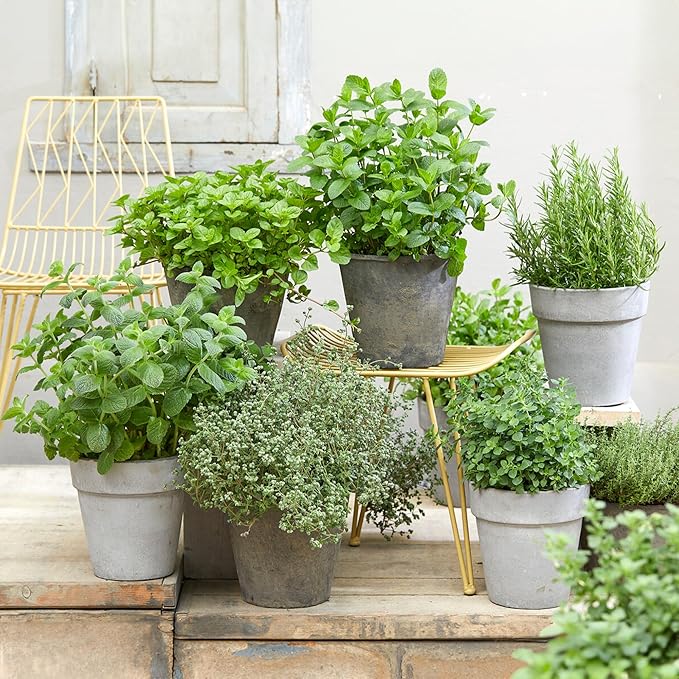
Apple Leaves/Sticks Bamboo Bamboo Palm Basil
Bay Leaves Blackberry Leaves Blackcurrant Leaves Bok Choy
Broccoli Greens Carrot Tops Chamomile Chervil Chickweed
Chinese Water Cress Clover Coriander/Cilantro Cornflower
Dandelion Dill Echinacea Hibiscus Jasmine Kale Lavender
Lemon Balm Lettuce Maize Leaf Mallow Marigold Flowers
Milk Thistle Mint Mulberry Nest Fern Nettle (Dried)
Olive Leaf Oregano Pansies Parsley Peppermint Plantain
Purslane Raspberry Leaves Rosemary Rose Flowers Sage
Spring Greens Strawberry Plant Thyme Wild Garlic
Safe Plants
Achillea African Violet Alfalfa Bell Flowers Borage Boston Fern
Buddleia Butterfly Pea Calico Plant Calatheas Cat Nip Cat-Tail
Chenille Plant/Copper Leaf Chicory Cotton Plants Daisies
Fig Leaf Palm Flame Violet Fuchsia Geranium Hackberry Hawthorn
Hazel Leaves Heather Hollyhock Jewelweed Kudzu Lady Palm
Lipstick Plant Lizard Vine Mandarin Plant Mesquite Nasturtium
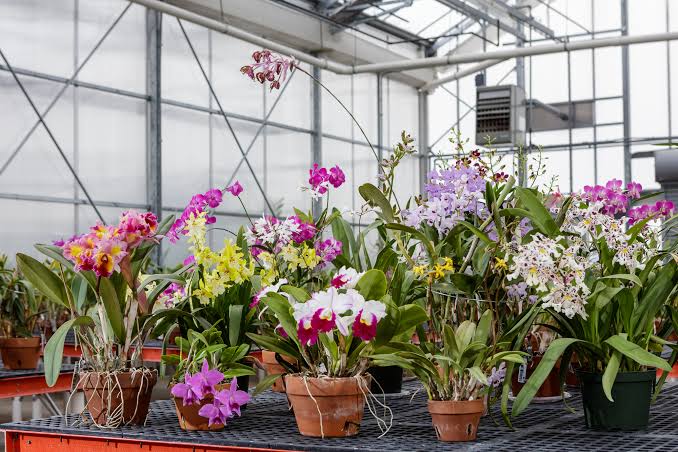
Orchid (All Types) Pigweed Plush Vine Pok Choy Rocket Sedum
Shepherds Purse Spider Plant Snake Plant Sow Thistle
Spanish Moss Strawberry Begonia Sunflower Tarragon
Teddy Bear Vine Violet Willow Yarrow Zebra Plant
Unsafe Plants
Aconite Arum Aubergine Plant Avocado Plant Azalea Begonia
Bittersweet Bluebells Bracken Bryony Buttercup Celandine
Chrysanthemum Clematis Columbine/Aquilegia Comfrey Conifer
Corncockle Cowslip Crocus Daffodils Daphne Datura
Delphiniums Dahlia Doc Euonymous Figwort Fiscus Leaf
Fools Parsley Foxglove Grape Hyacinth Groundsel Hemerocallis
Hedge Garlic Hellebore Hemlock Henbane Holly Hyacinth
Hydrangea Iris Ivy Laburnum Laurels Lily
Lily of the Valley Lords and Ladies Lupin Meadow Saffron
Monks Hood Morning Glory Nightshade (Woody/Deadly) Oleander
Onion Plant Periwinkle Poppy Potato Plant Primrose Privet
Ragwort Rhododendron Rhubarb Leaves Russian Comfrey
Snowdrop Spurge Sweet Pea Tomato Plant Traveller’s Joy
Tree Lupin Tulip Wood Sorrel Yew
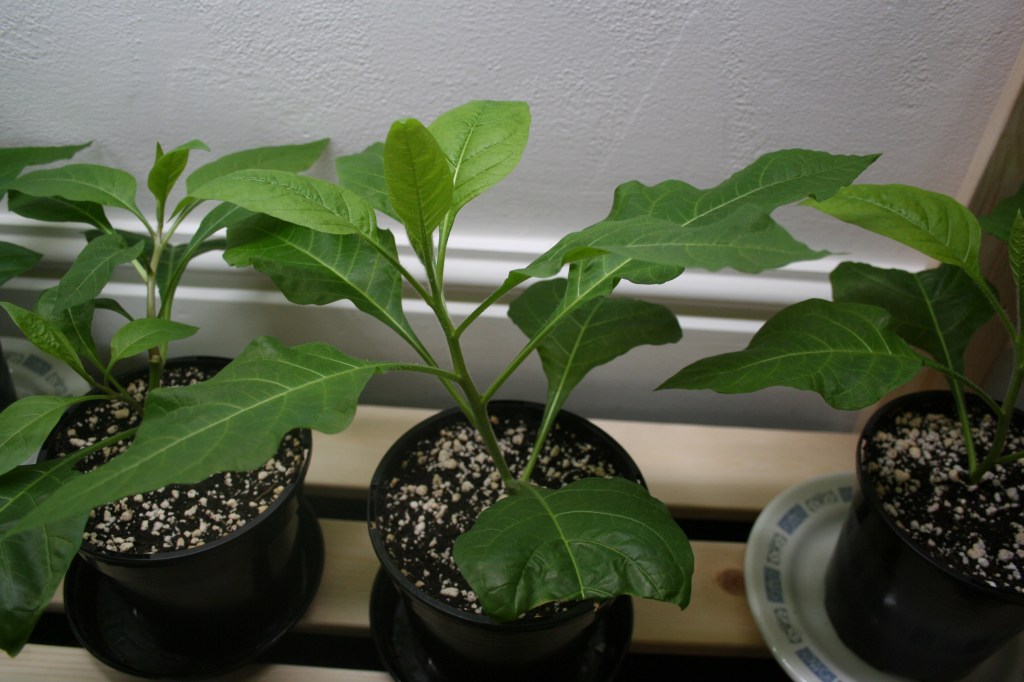
Please note that this list is not exhaustive. It covers the most commonly encountered plants that are likely to be toxic or harmful to rats. Most of the things on here live outside and rats should never come into contact with them anyway. However just for the sake of compiling the most thorough and varied list as possible they are on there just in case it’s helpful at some point. Also a reminder that most things on this list are from sources in the rabbit community and rabbits have much more sensitive digestive systems than rats. So it’s likely rats will be better with certain plants but with many better alternatives out there it’s really not worth risking it.